

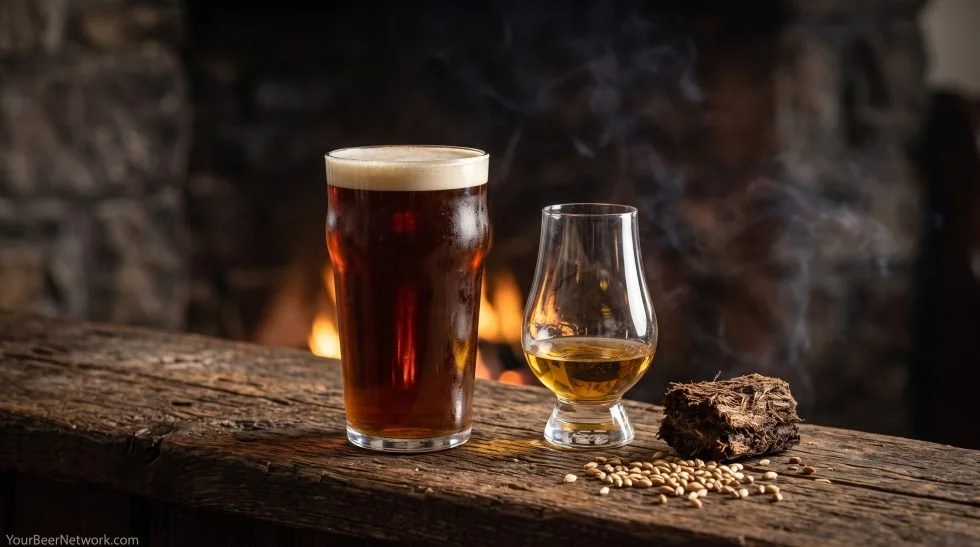
If you've ever stood in line for a bourbon barrel-aged stout release, you already like whisky. A good share of what you taste in those beers came out of the barrel. The jump from rating barrel-aged beers to tasting Scotch is shorter than the whisky aisle makes it look, and most of the habits you built checking in beers on Untappd carry straight over.
Beer styles and their whisky matches
Most barrel-aged stouts around Central Texas spend their time in ex-bourbon barrels, so bourbon is the obvious first step. Scotch gets more interesting for beer people. Distillers there age and finish in a much wider range of casks, and the cask decides a lot of what ends up in your glass.
Two pairings need more room, so they get their own sections below. The other two are quicker.
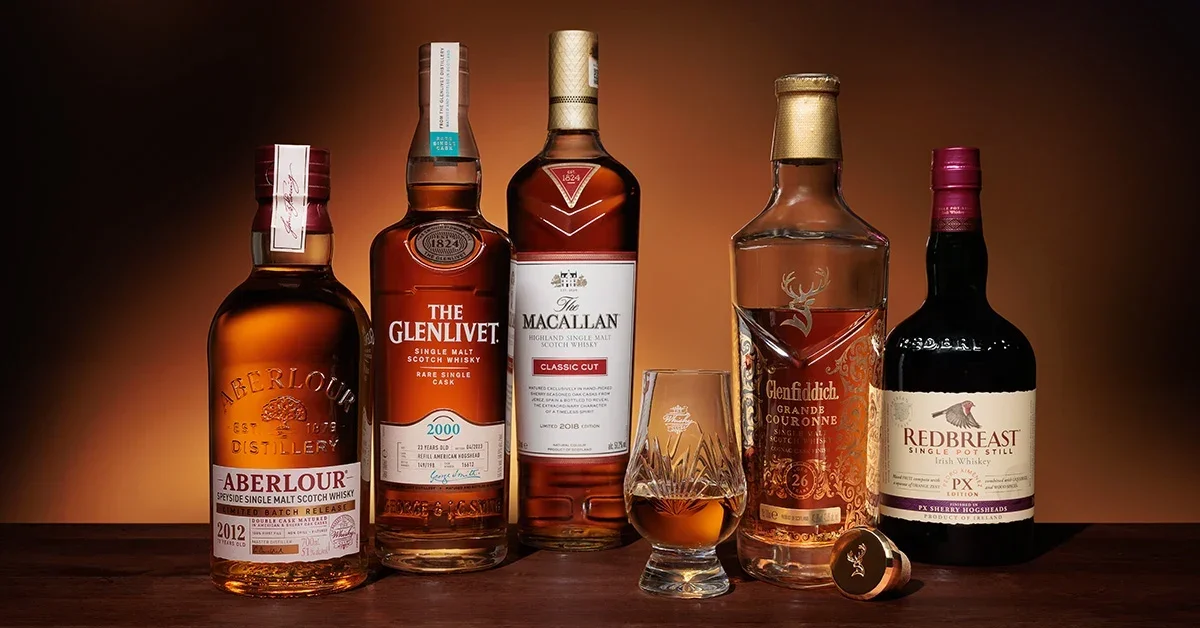
Barleywine and Belgian quad drinkers should look at port or sherry-finished malts. Glenmorangie Quinta Ruban and Balvenie DoubleWood 12 both have the rich malt and dark fruit you'd expect from a well-aged barleywine.
Hazy IPA is the hard one. Whisky has nothing that tastes like hops, so if you love the dank, resinous side of a hazy, no malt will give you that. The fruit and the soft body do translate. An ex-bourbon-cask malt like Glenmorangie Original or Glenlivet 12 gets you orchard fruit and vanilla, which is about as close as it gets.
Barrel-aged imperial stout to Oloroso Sherry cask
Look back at the barrel-aged stouts you gave four-plus stars. The notes you wrote down were probably toffee and dried fruit, with some vanilla from the oak.
Oloroso is a dry Spanish sherry. Casks that held it push whisky toward dried fruit and walnut, and that overlaps with a big barrel-aged stout more than bourbon itself does. Aberlour A'bunadh is the loud, cask-strength version of this style. GlenDronach 12 is gentler and easier to find.
Roast is the one thing that stays behind. Whisky malt isn't roasted the way stout malts are, so the coffee and cocoa-nib bitterness belongs to the beer. The dried fruit is enough to carry the glass without it.
Smoked beer to peated Islay
Live Oak's Grodziskie is a light, oak-smoked wheat beer, and if you've had it you know how gentle wood smoke can be. Peat smoke is a different thing. Beechwood and oak in beer lean toward bacon and campfire. Peat is earthier, and the heavier Islay malts add iodine and seaweed on top.
Start gentle. Bowmore 12 and Caol Ila 12 keep the smoke in balance with fruit and malt.
Laphroaig 10 and Ardbeg 10 are a big step up in medicinal, briny smoke, and plenty of rauchbier fans dislike them on the first pour. Buy a bar pour or a sample before you buy the bottle. Then try it again a week later, because the second time often goes very differently.
Tasting whisky the way you rate beer
You already look, smell, sip, take notes and score. Keep all of it. Whisky needs a few changes so you taste something besides alcohol.
Start with a smaller pour than you think. One ounce (about 30 ml) is plenty. Whisky is bottled at 40% ABV or higher, three to four times the strength of a 12% stout, and a beer-sized taster will flatten your palate within a couple of sips.
The glass you already own will do. A Glencairn is the standard. A Teku works just as well, since all you need is a narrow top that holds aroma. Room temperature, no ice.
When you nose it, keep your mouth slightly open and start with the glass under your chin, then bring it up slowly. Shoving your nose straight into 46% spirit gets you alcohol and nothing else.
Water helps more than most beer people expect. Taste it neat first. Then add a few drops from a straw or a teaspoon and taste again, and you'll usually find more aroma at the lower strength.
Score the second sip. The first one just gets your mouth used to the alcohol.
Untappd doesn't take spirits, so you need somewhere else to log. The Distiller app is the closest thing. A notebook is fine too if you keep the fields you already use for beer and add a line for what water did. Stick with your 5-point scale. When a sherry-cask malt lands on the same score as your favorite barrel-aged stout, you've learned something useful about your own palate.
How a whisky club works
A bottle of single malt costs about what you'd spend on several four-packs. Buying full bottles blind to learn a style gets expensive quickly. A monthly club sends one bottle that someone else chose, so you spend less on guesses and give up the choosing.
If you start comparing clubs, or searching for the best whisky subscription, two features matter more than anything else. You should see each month's bottle before you're charged, and you should be able to skip a month you don't fancy.
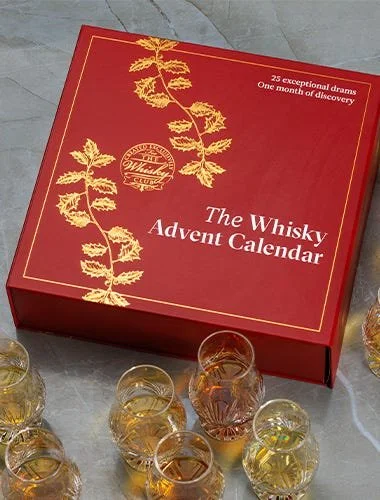
The Whisky Club, an Australian club, does both. It announces each Whisky of the Month before it bills members, and you can opt out of any month. The current bottle is Aberlour's Christmas Batch Strength Double Cask Edition, matured partly in Oloroso Sherry casks, so a barrel-aged stout fan would recognize the toffee and dried fruit straight away.
That club only delivers within Australia, though. It's a good model for what to look for. Here in the US, spirits shipping rules change from state to state, so confirm any club can ship to Texas before you sign up.
Expect a few bottles you'd never have bought yourself. Some of those end up as favorites. A couple won't, and a full bottle every month adds up.
Where to start
Buy one bottle first. For most people reading this, that's a sherry-cask Speyside, poured next to the barrel-aged stout you rate highest so you can taste the overlap side by side. Rauchbier regulars can go straight to Bowmore 12.
Log every glass like a check-in. Give it a few months before you trust your own scores, and by then you'll have opinions about whisky to argue over, same as you do about beer.