

The Portland Country Western-aissance
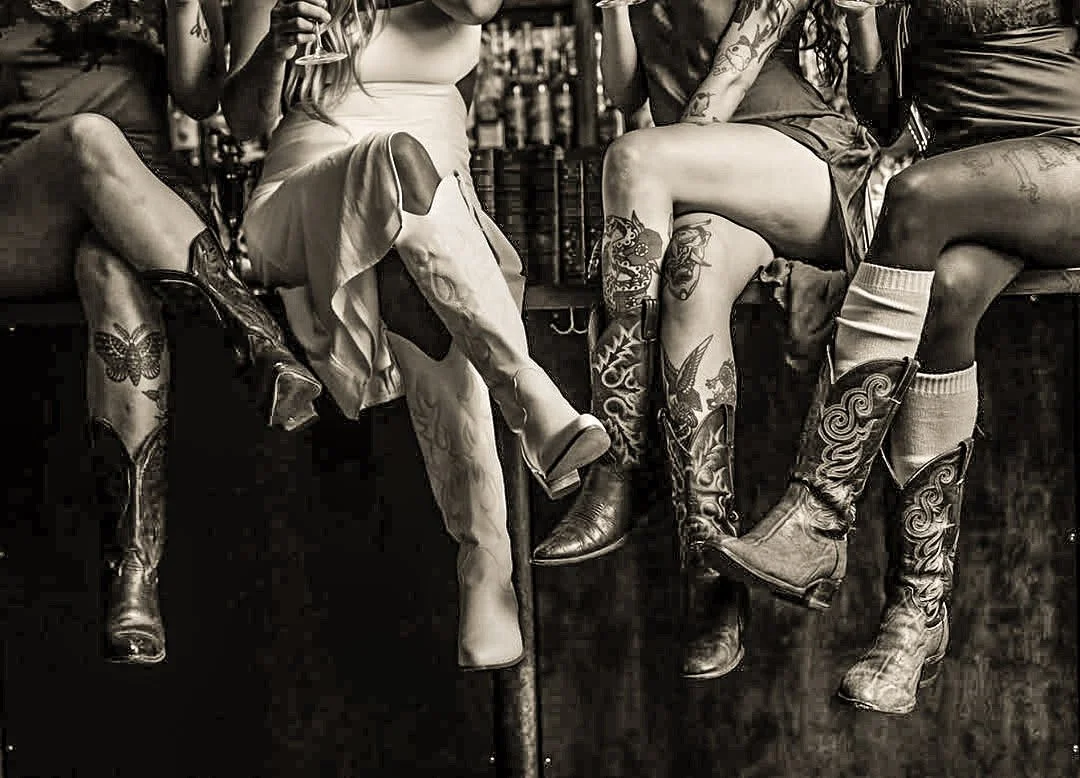
In the past few years, a wave of twangified bars has opened across Portland. It’s difficult to pin down exactly what has led to this upsurge in bars that pine for the cowboy lifestyle or at least pay some sort of homage to it in one way or another, but there are plenty of reasons to speculate on. Country music and the culture that comes with it have never been bigger, with authentic-sounding acts like Charley Crockett, Margo Price, Ella Langley, and Maren Morris all playing to massive venues. Hell, even hip-hop has gone country with the likes of Shaboozy, Post Malone, and Jelly Roll all throwing on Stetson boots. Terms like “New Americana” and “cowboy-core” have been thrown around, and Vogue Magazine even dubbed 2024 the “Year of Yeehaw” after the release of Beyonce’s Cowboy Carter saw a massive pop culture crossover. Shows like Yellowstone have also made everyone and their brother want to throw on a pearlsnap, some Wrangler Jeans, and hop on a horse.
Even the New York Times has taken notice. In a guest essay published September 13th, Matthew Schmitz wrote, “When America was overwhelmingly white and more closely tied to its rural past, country and western motifs could be seen as conventional and confining. But today, with much of the population concentrated in cities and on the coasts, and as white non-Hispanic Americans inch closer to becoming a minority, the mores and manners of the country’s rural working-class increasingly offer a source of authenticity.”
At the same time, we’ve seen a small but noticeable trend back toward experiences that feel analog and old-school in a digital world, as people slowly reawaken to the fact that it’s actually fun to put down the phone and experience the real world.
Even if there is a trend at play, Portland’s western bars are hardly the same. What they all share is their place in a broader cultural obsession with nostalgia. As society pushes toward nihilism, and that is reflected in or perhaps the result of our cultural plateau, nostalgia has stepped in to fill the void. While I can personally get bitter and cynical about the childification of our culture, whether that be in the comic book movies that dominate the box office or even the craft beer trend of brewing concoctions modeled on candy and kids' treats (which, luckily, seems to be dying), I don’t view the push towards nostalgia in bars as entirely a bad thing. After all, many of us go to bars to escape the outside world or at least take a brief respite from the grind. In a time when most music and movies suck, people are scared to leave the house, and it feels like our country may be slowly crawling towards some form of fascism, it can be an absolute pleasure to dwell in the good times of the past. After all, who hasn’t pined for the world featured in old beer and cigarette ads and the songs of Waylon and Willie?
Portland is currently embracing all of this with a handful of bars that celebrate the culture of country music and cowboys with playful nostalgia. Portland may feel a long way from what many people associate with the West, but this part of country has long had a strong connection to that culture. Willie Nelson, Loretta Lynn, Merle Haggard, Dolly Parton, and Buck Owens all spent formidable periods of time in the region during their heydays. These bars come in all shapes and sizes, each offering their own interpretation and creative take on what we can broadly classify as “country and western.”

Switchback Saloon
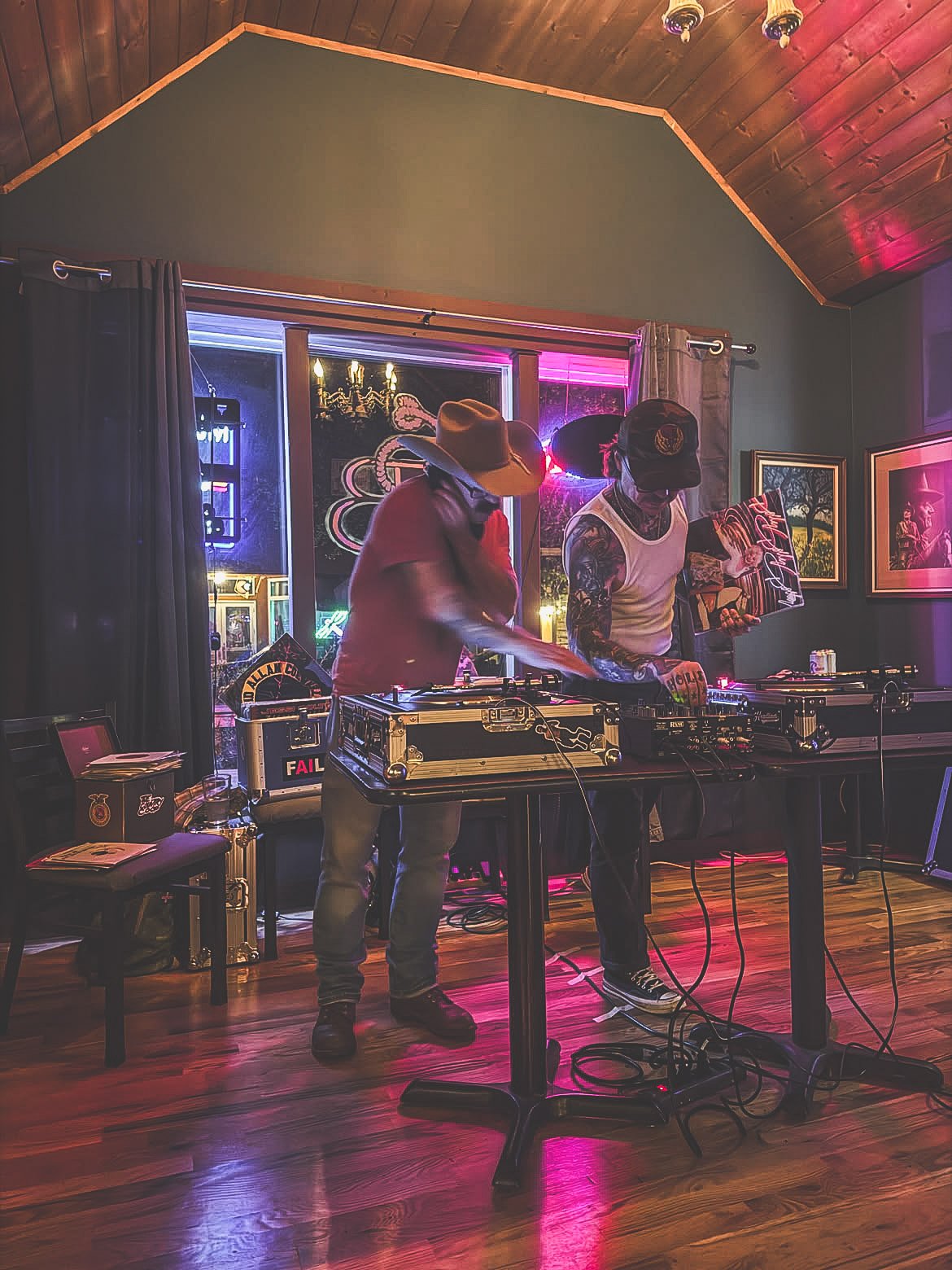
One of the pioneers of this obsession was Landmark Saloon in the Richmond neighborhood, which opened back in 2010. With the bar located inside a former house built in 1906 and an expansive patio covered in wood chips, picnic tables, and plenty of ashtrays to get your smoke on - not to mention a trailer serving some mean barbecue - Landmark felt like it could have been plucked straight out of Austin, Texas’s Rainey Street district (before it got overrun with tech bros and douchey clubs). They had Shiner Bock on tap and plenty of tequila to schwill down, all while listening to a regular lineup of local and national honky tonk, alt-country, Americana, and bluegrass acts. For a good stretch up until the pandemic, Landmark was regularly packed. Even during the pandemic, the patio provided space for social distancing while still giving you the feeling of being out in community.
The last few years have been a bumpy road for the Landmark as they navigated the post-COVID reality of fewer people going out to bars and supporting local live music. After years of teases and threats to close on social media, they finally did it in February. Luckily, longtime regulars Scott Phillips and Graham Talley stepped in, took the reins, and rebranded it as the Switchback Saloon. Ask about the name, and you will get something about “land switch, switch mark” thrown around, but basically it’s a nod to switching it back to the Landmark while technically changing the name for legal purposes…or something like that.
“It's a community gathering place, like a 3rd space has kind of been lost in the city. And we went to preserve that as best we could. Like, if we didn't step in, I guarantee you, I can guarantee you, it would become an apartment complex. And we have enough of those on the block right now,” says Phillips while sipping a tequila shot on a perfect summer evening.
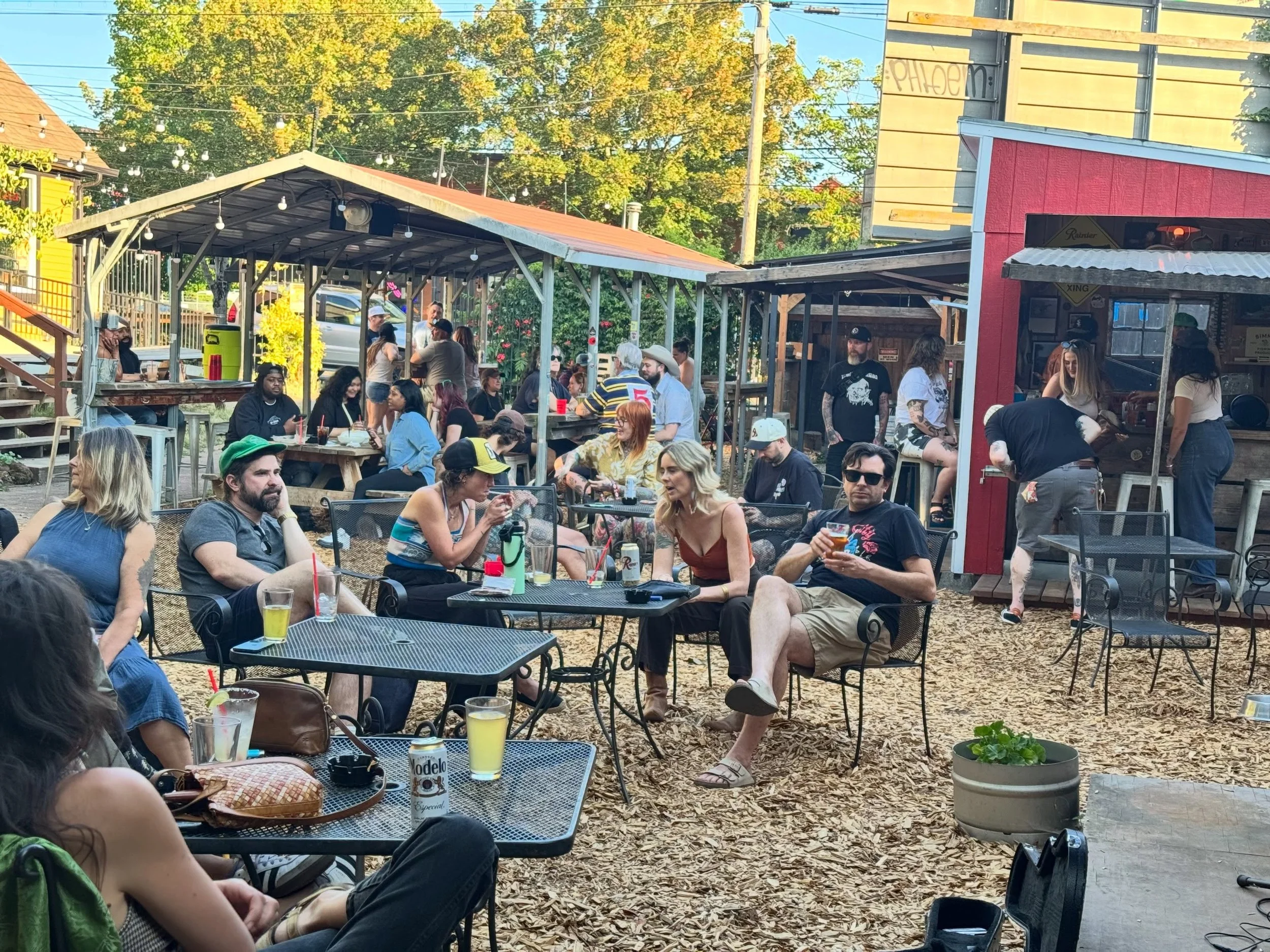
Unlike the other establishments here, Switchback doesn’t lean into nostalgia or any specific theme. Yet, it does feel like the kind of joint that you might find in Austin. Since taking the reins, Phillips and Talley haven't changed the place's overall look and feel, other than making some much-needed equipment upgrades. As a longtime regular, Phillips loves the place's easygoing feel, especially its sprawling, woodchipped patio with a stage and a woodsy, downhome outdoor bar.
“I've seen it when it was good, and like pre-pandemic and even like a little bit post-pandemic, you could pack a patty in the summers, and that's where we make most of our money is; we can fill this space in nice weather. It's also one of the only bars in Southeast with a patio this size. It's the neighborhood's backyard. That's all it was for us. Like, we come here, we play cornhole, we'd hang out, catch a show, the shed bar's open, watching TV,” says Phillips.
Leroy's Familiar Vittles - the long-operating barbecue cart - is still the food offering. The picnic tables are prime for knocking back Rainier or Shiner Bock with a tequila sidecar, and you can even smoke. Taken as a whole experience, Switchback and its emphasis on the outdoor hang just feels country, like the backyard of some roadhouse where a hang of Hell’s Angels might roll up out of nowhere or some talented troubadour will start a song-swap session on the fly.
“I think the main thing that we did, they have carried on as we've gone forward, is, we are a bar for everybody. I think it's what you were saying before. And more than anything, just the community space, right? And I think that is country. Being, like, being able to have a place where people feel comfortable, and it's, like, the new country where it doesn't matter where you're from, who you are, where you identify as, or anything. is a safe spot for anyone to come into. The only intolerance we have is the people that are intolerant,” says previous owner Nick Wilson, who still manages the bar.
As the neighborhood has changed and new country-leaning venues like The Showdown Saloon and Ponderosa Lounge & Grill have popped up, not to mention still-popular old haunts like the Laurelthirst, they face stiff competition. Phillips and Wilson readily admit these are among the many challenges Switchback faces now, including broader headwinds like the economy sucking and disposable income being down, Gen Z consuming less alcohol, and people spending more time at home than in bars. Yet, he is optimistic that Portlanders will keep the bar in business as a community space. Landmark and now Switchback may almost feel like a legacy bar at this point, yet its vibe feels more relevant than ever, and it is a worthy destination whether you are catching a show or just putting your boots up after a hard day’s work.
“If we buy the building, which we hope to, we're going to put in there; it cannot ever be used for anything other than a community space. So it stays here. Like, housing? Yeah, you're not gonna find a quarter-acre lot in Southeast Portland for a bar ever again. Land does not repeat itself.”



LaVernes
Located a stone's throw from the original Breakside Brewing pub, this Dekum Street bar has been a hit since opening its doors in September 2025. Cold beer and hot chicken are the name of the game, with culinary inspiration as one of the biggest factors behind its country-and-western theme. Cooked rotisserie style with the spinning succulent birds on display in a circus tent-adorned oven, the chicken skews Mexican - the chefs hail from the Yucatan region - and is served bone-in as a full or half bird with a whole plate of fixins. You can rip it apart, fill a corn tortilla with slaw, cilantro, and tangy green salsa, and devour the meat with a side of rice and beans. Wash it down with an ice-cold margarita (Chimo’s World Famous) that is always on special and may be one of the finest in town with its Tajin-Tang Chamoy Rim. If rotisserie chicken feels like a commitment, you can chow down on a Tex-Mex-skewed menu that includes tacos, a Frito pie served with vegan chili, and nachos, among a few other items.
The drinks at LaVernes also pull their flavors from the Southwest and Mexico, with spirits like tequila and mezcal getting spotlight treatment. You can order a strawberry-Chamoy Mezcal Margarita known as an Abuelita, a Horchata slushie named Mama Tried (after the Merle Haggard classic, of course), and their riff on the espresso martini made using Tostado’s cold brew of Mexican beans and Mexican chocolate brownie called Thank You For Being a Friend. They even have Scoots (half shots) of PV Blanco Tequila, ideally served alongside a frosty mug of Modelo.
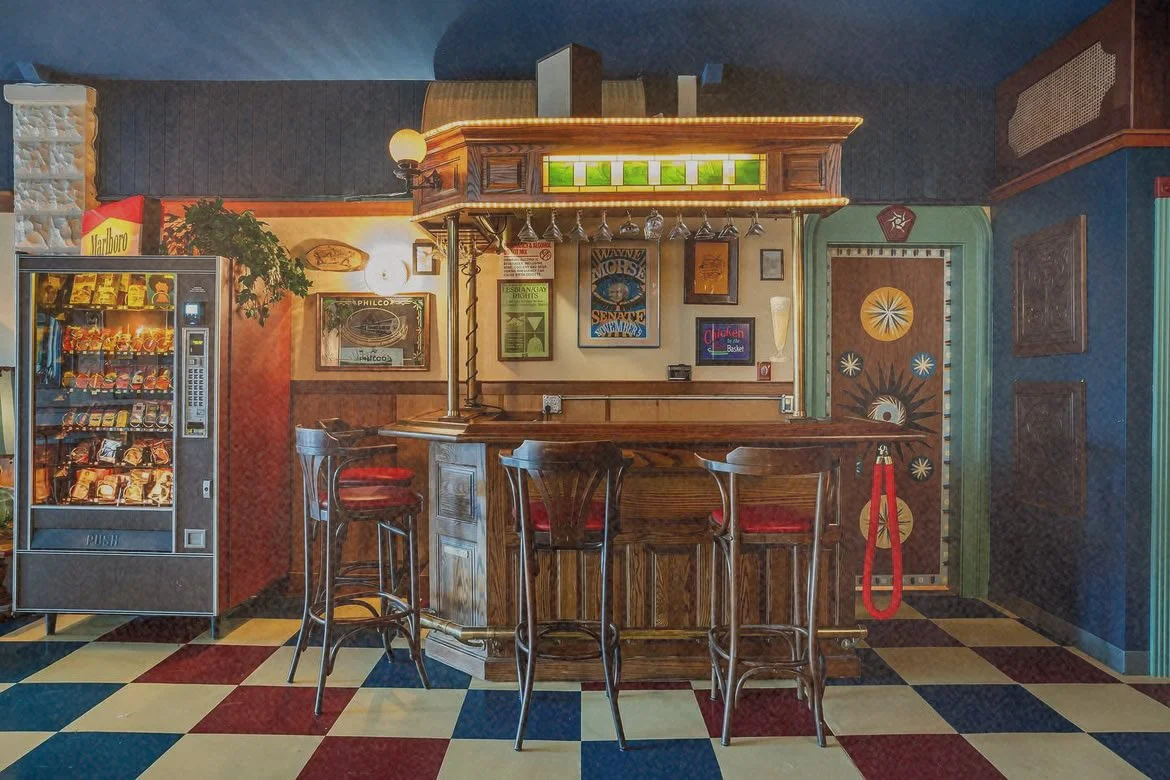
While the food and drinks are tasty enough, LaVerne’s is the kind of place you hit for the vibes. The design of this building, dating back to 1909, is meticulously thought out, yet the effect is meant to be the opposite.
“Modern life is rushed, disconnected, monochromatic, and technologically dependent. It sucks, and nobody wants it. Our intention was to create a bar that blunts these realities: Pony up to the bar and talk to a stranger. Enjoy an old song you've never heard before. Soak in the maximalism. Share a chicken and a cold, cheap beer. There's a sign behind the bar that says, ‘Put your darn phone away,’ says Aaron Hall, who was part of the team behind Hey Love and Dig A Pony and owns the bar with Sophie Thomson and Lauren Kawa Funk.
This is easy to do when you’re sipping a cold one on a vintage diner stool under liminal, moody bar lighting, while a soundtrack of old soul, rock and roll, and psychedelic music wafts from the speakers. This space feels lived in despite being new, and that is precisely the point. The end result coalesces to something akin to a gold rush saloon meets a darkened 70s watering hole. There’s even a kissing booth. Hall quickly points out that the bar's design and overall feel is a mishmash of influences and styles that reference classic Portland dives and other locales throughout the American South and West.
“I think we're a mix of several influences, but our first love and primary regional inspiration comes from Portland, Oregon, baby! The walls are covered in the history of the Woodlawn Neighborhood and the greater city. Almost every piece of original art was done by local artists. We love a classic Portland dive, and were inspired by places like Kay's, Clyde's, Slim's, Holman's, Clinton St,, and so many more. Beyond that, we have a deep fondness for the rich cultural/musical/culinary impact of New Orleans, and have several nods to the Crescent City in the bar. Our chefs are from Tucson and the Yucatán, so our food derives from the cuisines they grew up with.”
LaVerne’s may be a cozy neighborhood bar, but it also pulls in crowds with a fairly busy live music schedule. There are honky tonk moments, of course, yet they also get fired up about jazz, soul, old rock and roll, international sounds, indie acts, and more. In other words, pretty much anything goes if it fits the bar concept of being “dusty and nostalgic more than Western.”
The end result is a place that feels older than its age and is the kind of joint where you can get comfortable real quick. It’s a place to detach and connect with people over food that is unfussy and wouldn’t be out of place around a cowboy’s campfire. None of this feels like forced nostalgia or overtly themed, which is refreshing.
“We're really fascinated with the idea of anemoia, which is a deep longing or nostalgia for a time period that you never actually experienced. We wanted LaVerne's to feel like it had been here for a long time. Being in a beautiful, historic building helps. We used classic, warm finishes and filled every corner with local and familial nostalgia, with the hope of evoking a wistful feeling of being transported back to a slower, simpler way of living.”
Rhinestone
An influencer recently referred to the little spot on the corner of Clinton and SSE 21st as a “cow punk Vegas-coded cocktail bar.” This might be hard to pick up on at first glance - especially the Las Vegas part - but this is a laid-back neighborhood outpost with some feisty libations and a welcoming vibe. Owner and bar manager Trevor Thorpe elaborates that the bar’s theme and overall atmosphere “speaks to our community's need to feel comfortably at home and simultaneously transported. There’s some escapism in what we do, and part of that is being authentically ostentatious.”
This is where the Vegas part comes in. Thorpe spent his formative years in Sin City and wanted to capture the feel of the kinds of bars he frequented. What’s interesting about this and perhaps why the sights and sounds of Vegas most of us think of - casinos, pools, lavish performances - don’t immediately come to mind when you step into Rhinestone is because Thorpe is aiming to capture an essence of the city that most tourists have long forgotten as it has become more corporate and family-oriented.
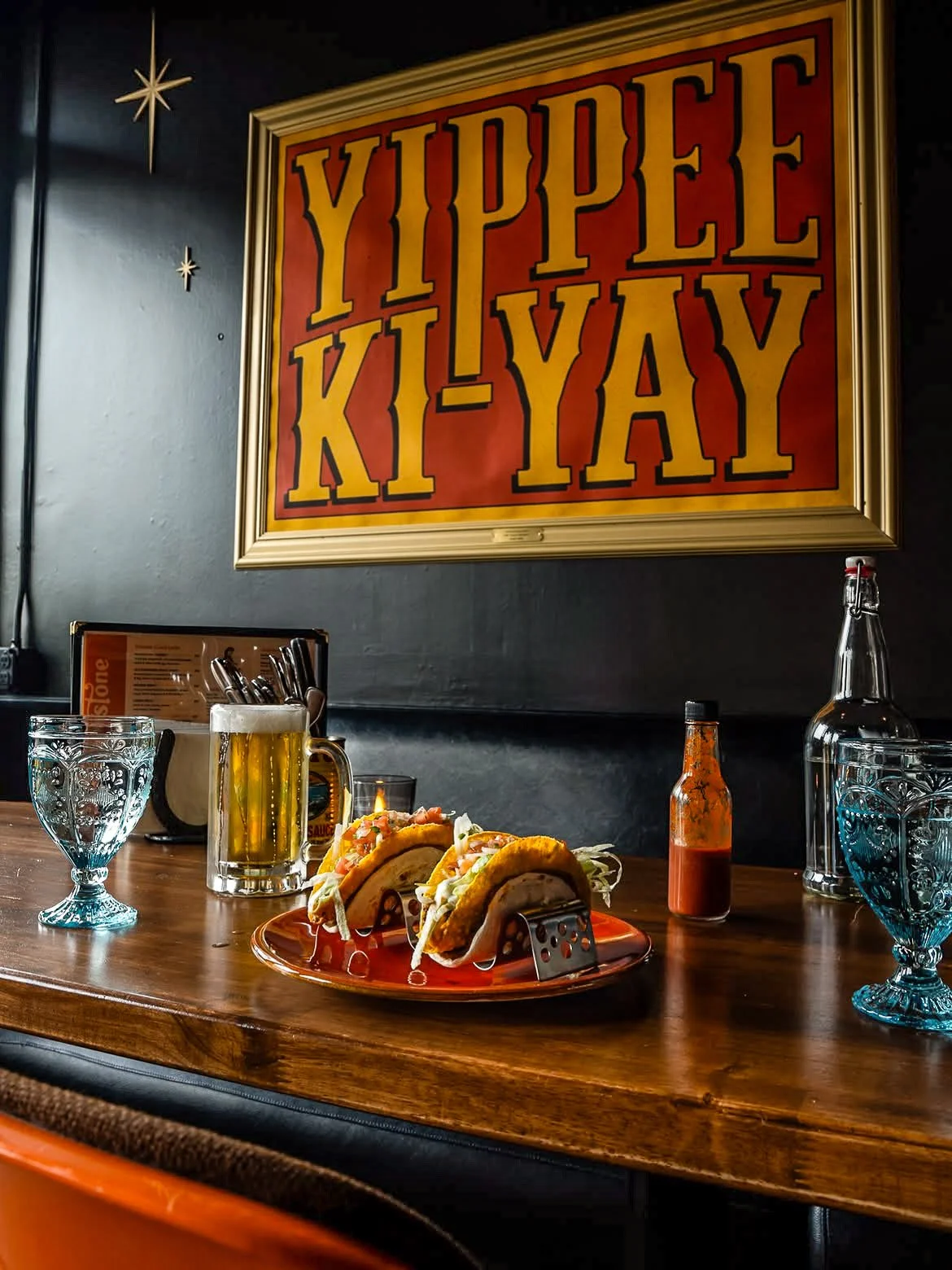

“Sometimes kitchy, oftentimes divey, but no matter what the theme is, there is a flamboyance to everything in Vegas. It has so much to draw on. It's Old West Rail-town history, its connections to early Hollywood, and how that amalgamated with a flashy take on western vibes I’ve always referred to as ‘Neon Cowboy.’ I don’t think anyone else calls it that. But it paints a picture.”
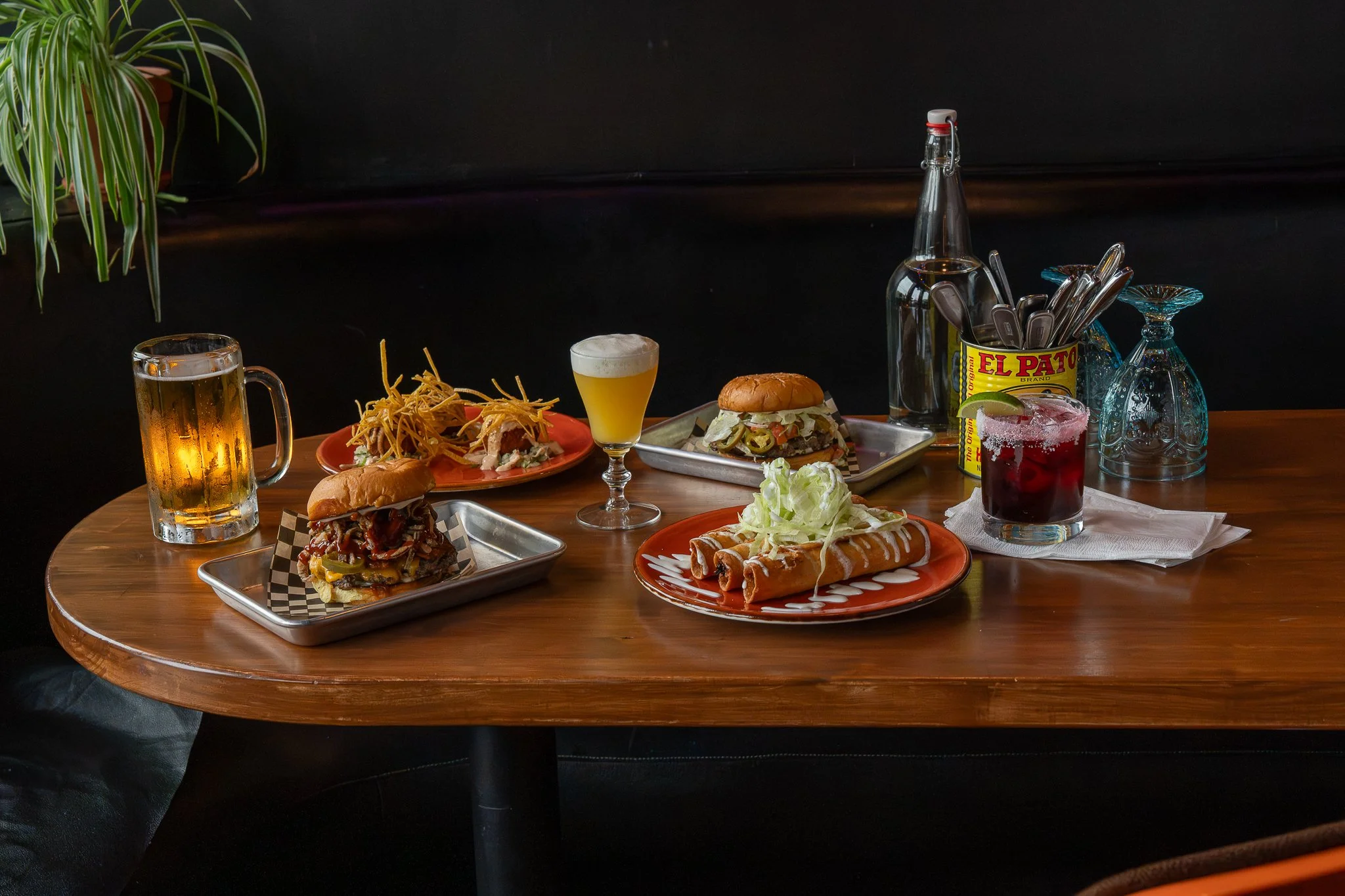
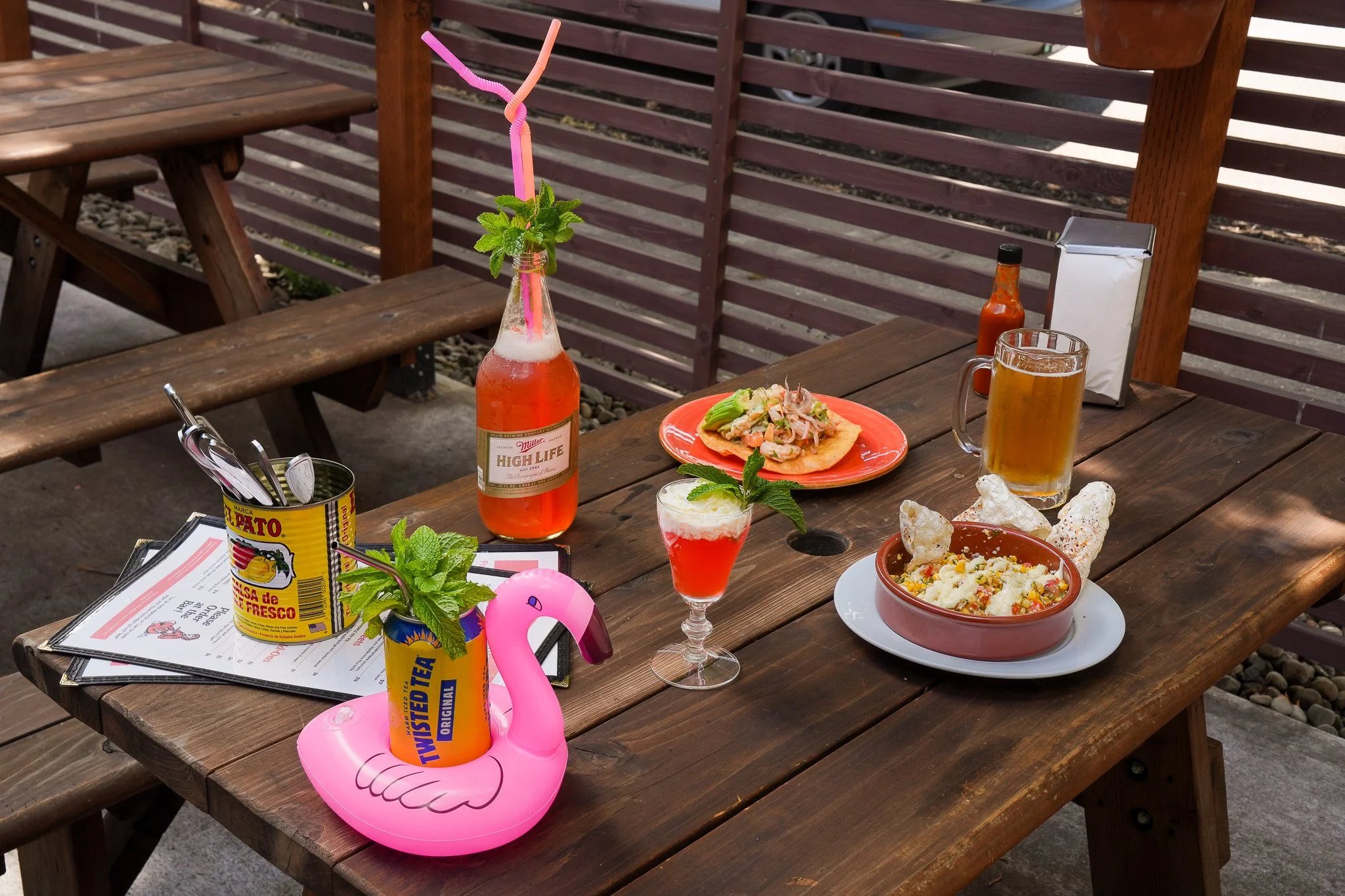
Walls are lined with horse figurines, old tequila bottles shaped like Día de los Muertos sugar skulls, vintage Western movie posters, and classic beer signs, and there is even a black velvet portrait of the King himself, Elvis Presley, performing during his illustrious Vegas years. Rhinestone doubles down on the nostalgia with its food menu, including the trendy concept of elevated riffs on fast-food staples (“late night cravings”) from Graham Chaney, former executive chef of German restaurant Stammisch. Here, you'll find a menu that reads like a stoner’s wet dream, with crunchwraps stuffed with smoky pulled pork, BBQ Cheeseburgers, Flamin’ Hot Cheeto-crusted Spam sliders, Mexi-tots, fried chicken chalupas, and plenty of queso for dunking tortilla chips. They even have fried apple pie and churros. Wash it all down with sweet-leaning drinks like a Cowboy Cooler, a slushee made with Blanco Tequila, Cointreau, lime juice, OJ, Grapefruit and hibiscus, a Helldorado concocted with Union Mezcal, “chartreuse”, clarified mango, jalapeño and lemon, or a Colt 45 40oz.
“I think everything about the food and drink is fun. Whether it's improved versions of nostalgic items from a Chihuahua-sporting fast food chain or infusing buttered popcorn into a classic Old Fashioned, we try to remain unique but approachable and approach everything from a hospitality-first point of view,” says Thorpe.
Reflecting on the larger trend that may be happening around the country, Thorpe says, “I don’t think it's just Portland, but there’s definitely some nostalgia and longing for icons that stood up to bullies even if, from the outside, you’d assume they’d align. And I think there are some great examples of that in the New Americana and country that is influencing us and others. Or as Dylan Earl puts it, ‘I’d rather be a bootlegger than a bootlicker.’”

The Last Rodeo
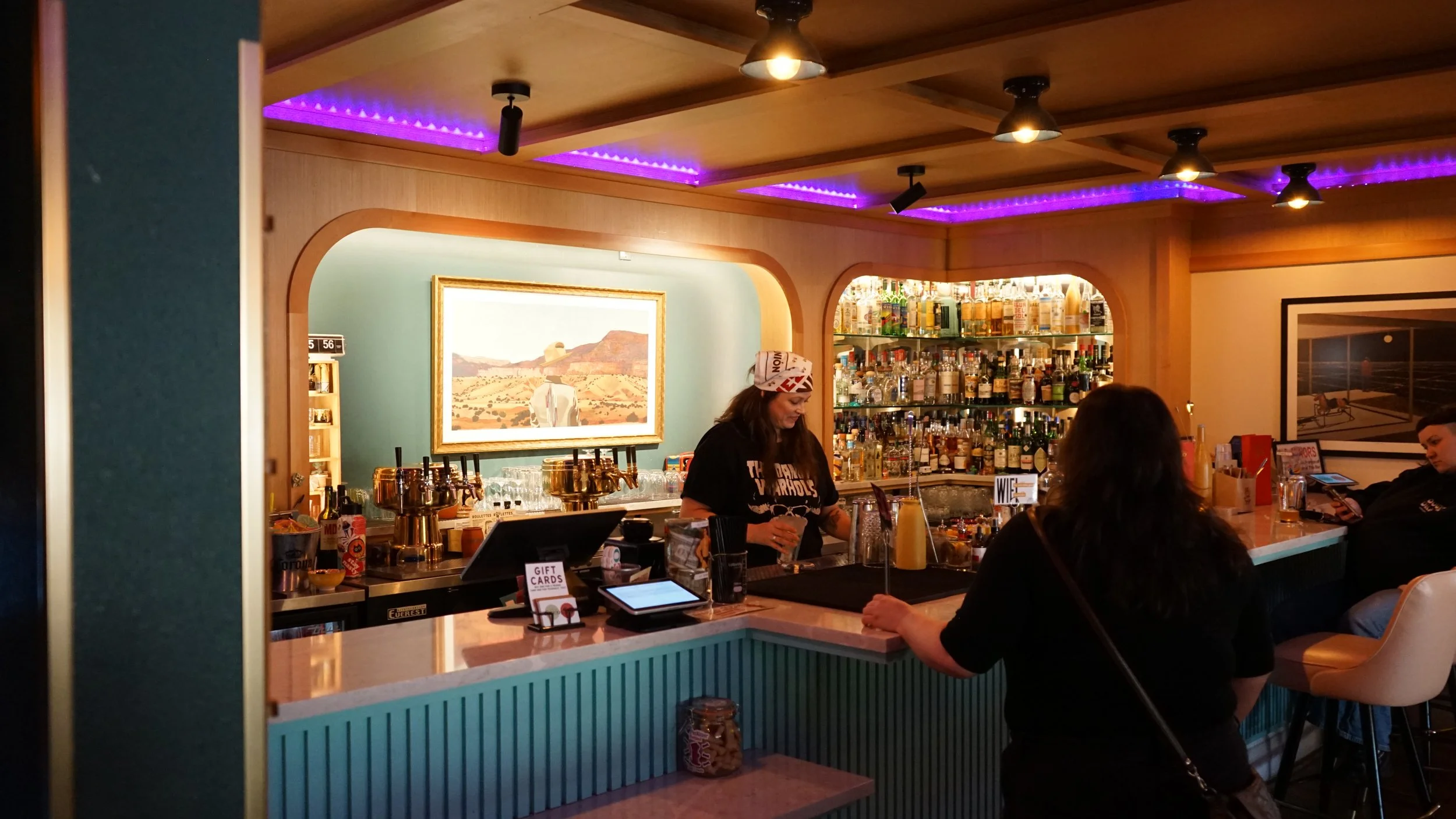
Located in the heart of the Sellwood-Moreland neighborhood, The Last Rodeo is the latest outpost from the team behind Portland’s beloved Matt’s BBQ, collaborating on the bar concept with Three on a Match Bar Group. They are no strangers to the bar game, running The Old Gold, Paydirt, and Holy Ghost. Previous restaurants in this spot lost business because most of the footprint was an outdoor patio. Luckily, the new team isn’t messing around, and they made major upgrades by adding sturdy coverings with built-in heaters that are sure to make you feel like you’re raging the pat Texas-style any time of year. The inside is snazzy too, with a mid-century modern-meets-cowboy-chic design that translates to lots of turquoise and wood, plus walls adorned with the cosmic vaquero art of Kevin Chupik that often resembles a cross between an old Marlboro ad and Wim Wenders’ 1984 cult favorite Paris, Texas.
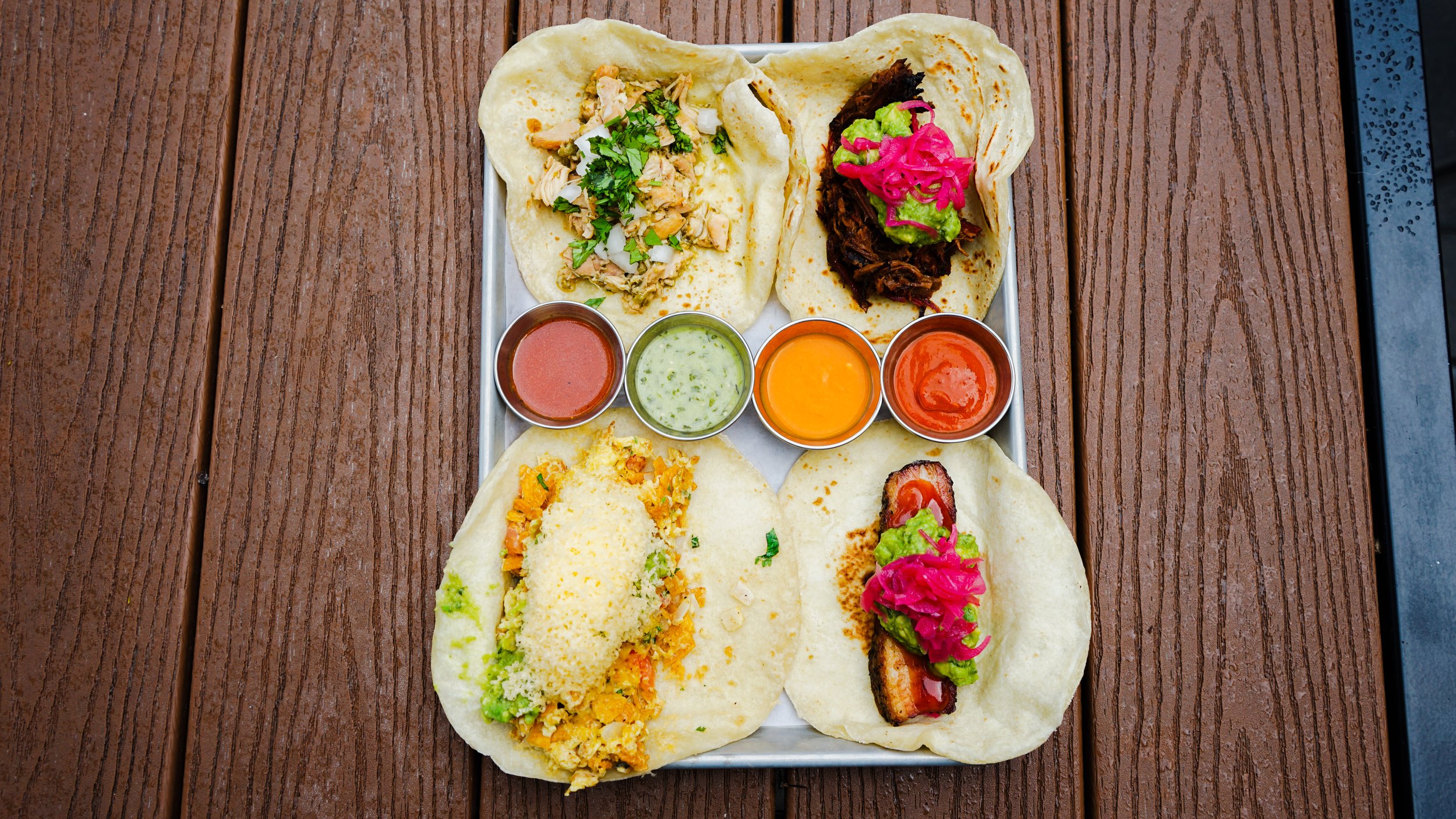
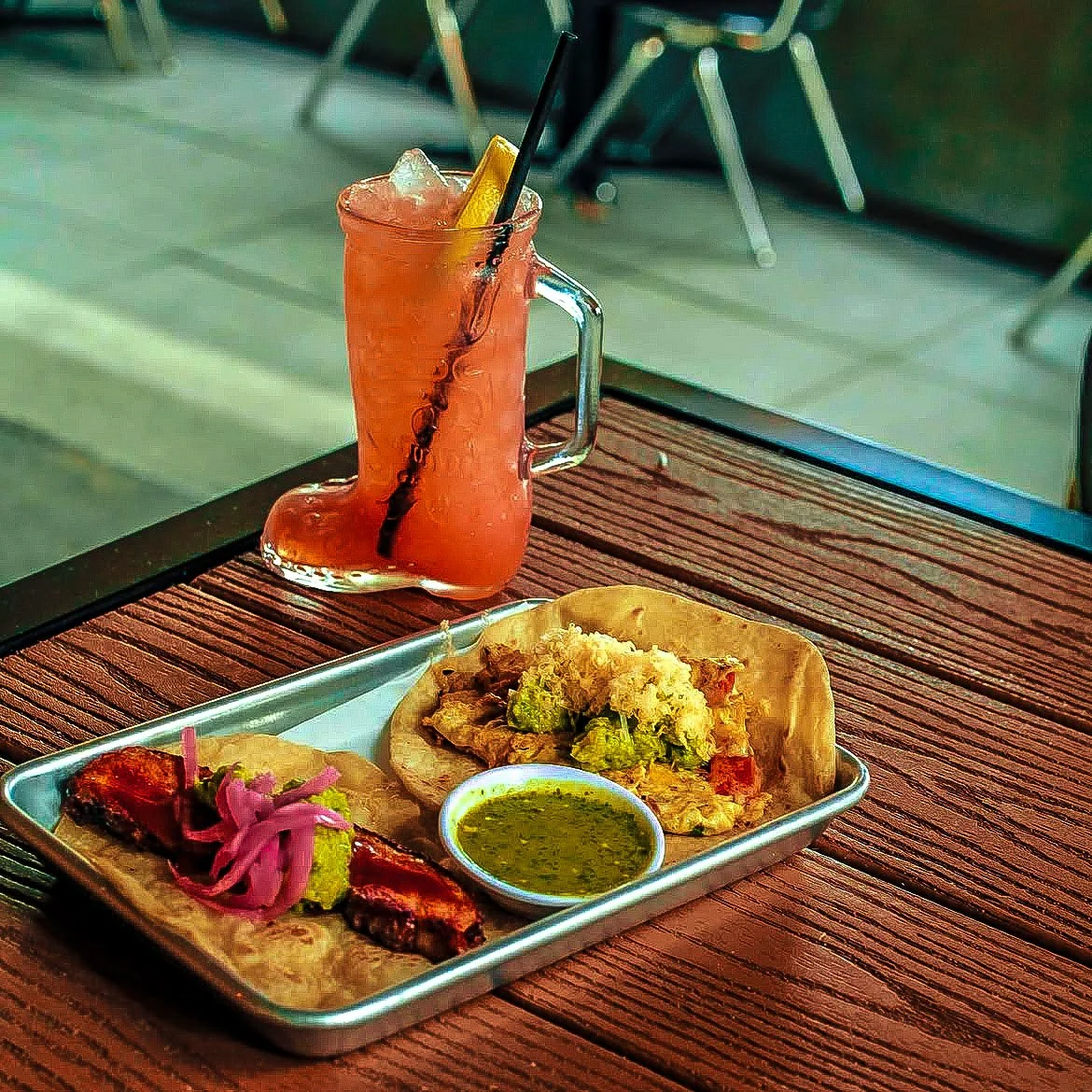
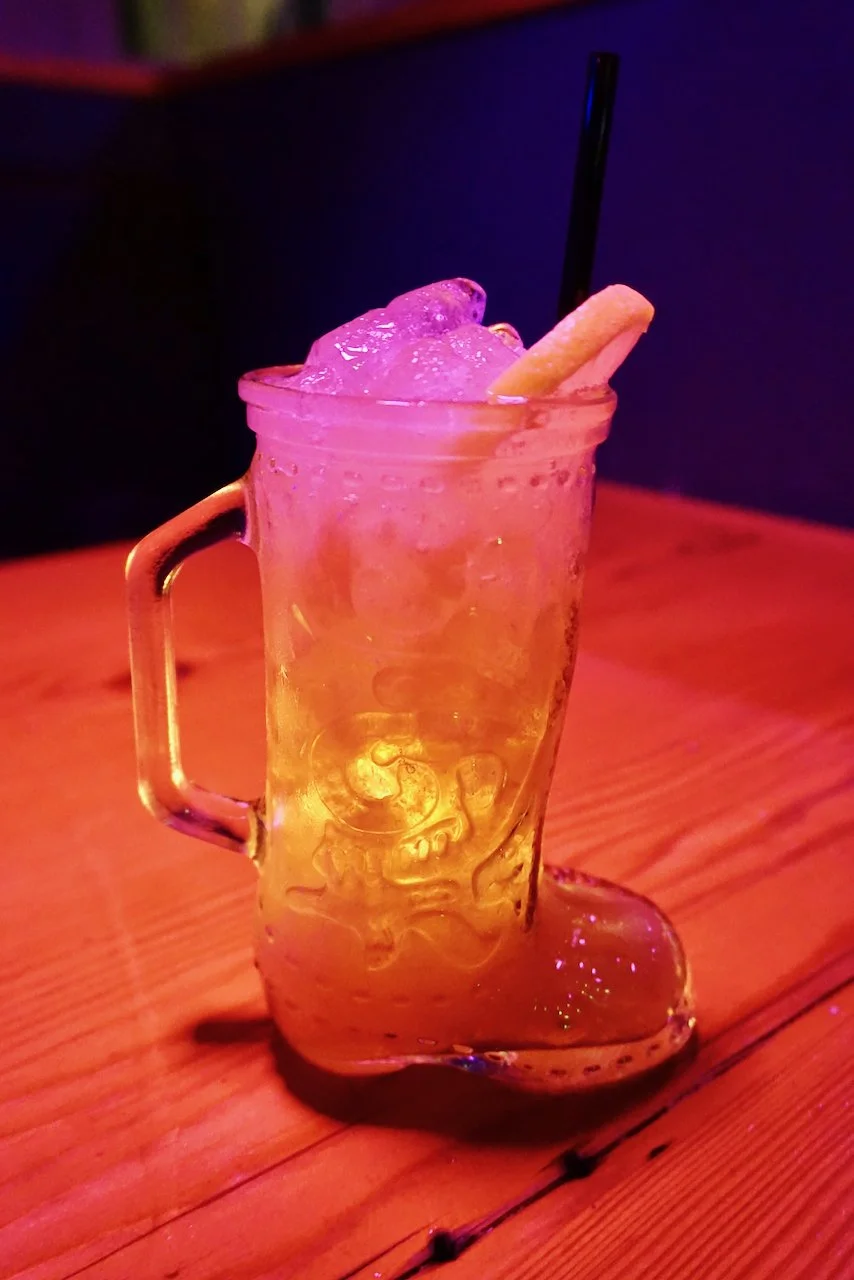
“You can find a lot of cowboy-like culture throughout Portland. Flannels, cowboy hats, honky tonk nights, fantastic BBQ, etc. The Last Rodeo just gave those folks another great place to hang out and eat great Texas-style BBQ tacos and cocktails in boot-shaped glasses,” says The Last Rodeo’s General Manager Sid Chi, nodding to the Cowboy Cooler, a fruity mix of tequilas and fruit juices that falls somewhere between Tex-Mex and tiki.
Of course, the tacos and barbecue are a perfect fit for any cowboy bar, and having Matt’s as the food offering makes The Last Rodeo a big draw for neighborhood residents. This joint also tries to marry its design aesthetic with its menu in a way that feels seamless and complementary. Drinks skew South-of-the-Border with palomas, several versions of margaritas, and tequila and mezcal boilermakers all being popular.
“Our bar owners Ezra Ace Caraeff, Chip Addabbo, and John Naekel have always done the best job of design at all their bars, this being the sixth. The cowboy aesthetic runs through the restaurant, with cowboy art from artist Kevin Chupik. The drinks are curated to complement the BBQ tacos, whether it’s a brisket-washed Old Fashioned, a Bloody Mary with smoked jalapeño brine, or our signature cowboy cooler cocktail with blanco tequila, ancho reyes verde, triple sec, lemon, and seasonal fruit purees served in a glass boot! The general music is country, which ties everything together,” says Chi.
When putting together the concept, the team wanted to lean into the themed bar since they see them as “always fun” and feel “the general dive bar is overplayed,” according to Chi. Whether they are leaning into the trend intentionally or just happened to open at the right time, Chi does think “Portland seems to be having an uptick in Texas and cowboy culture.”
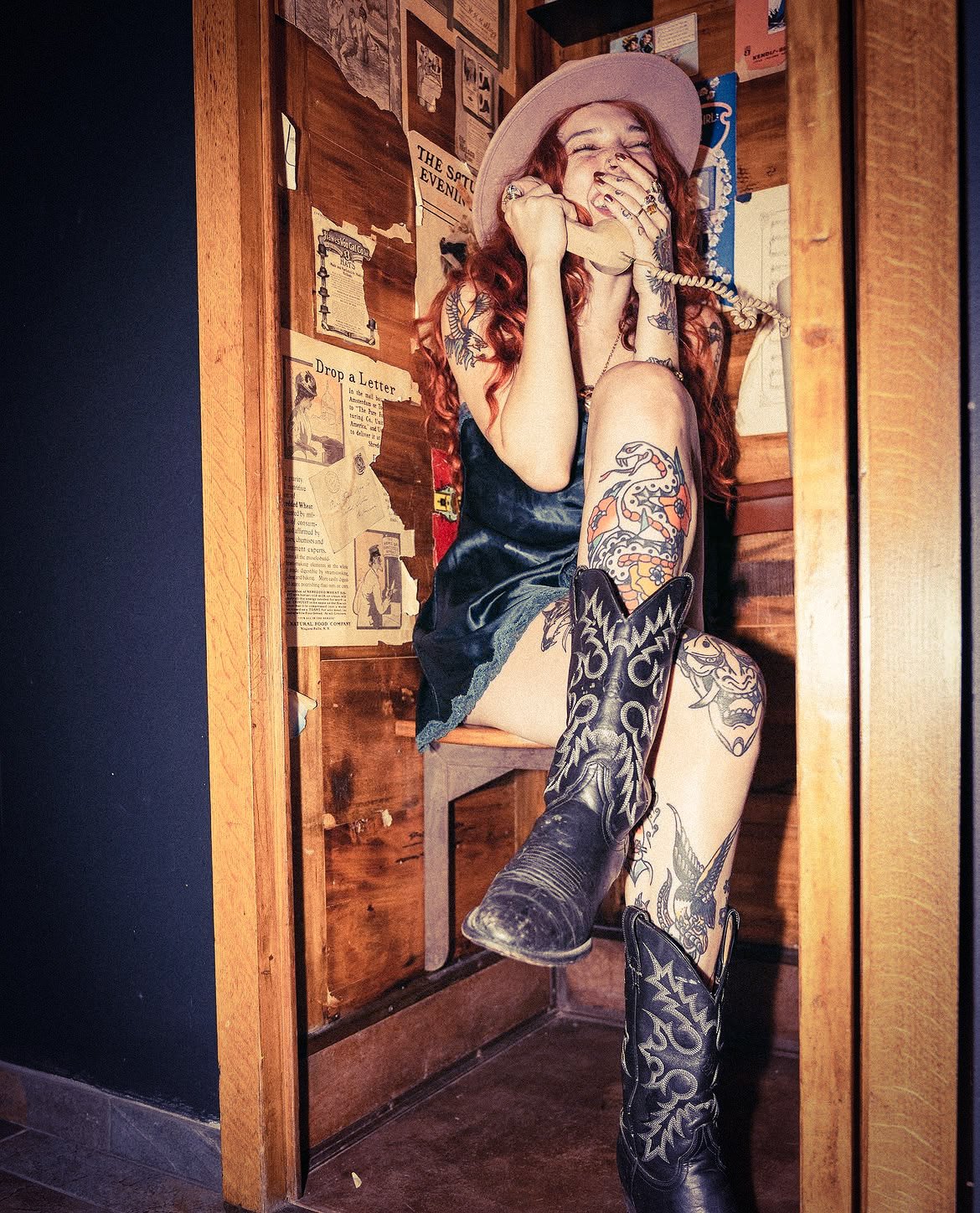

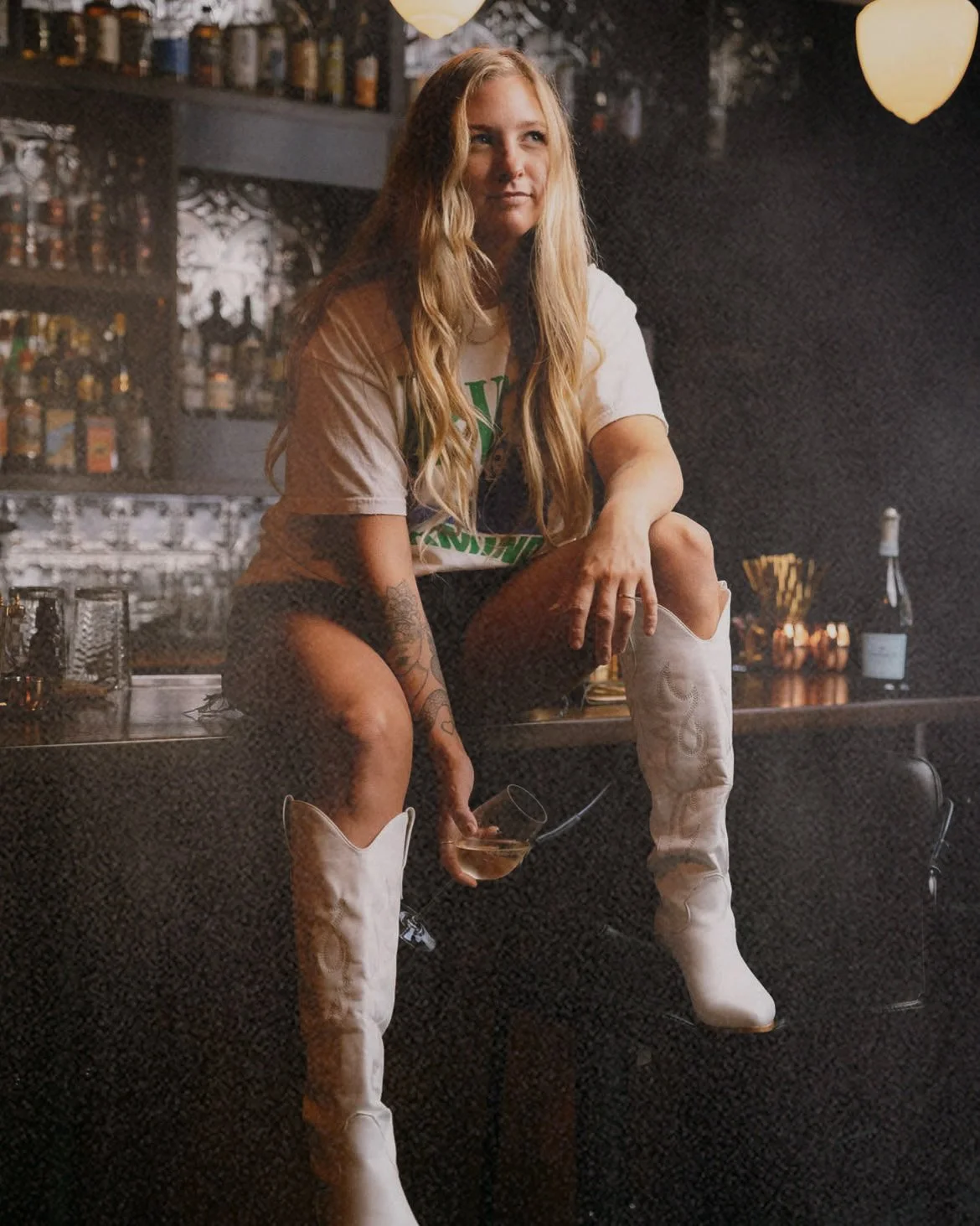

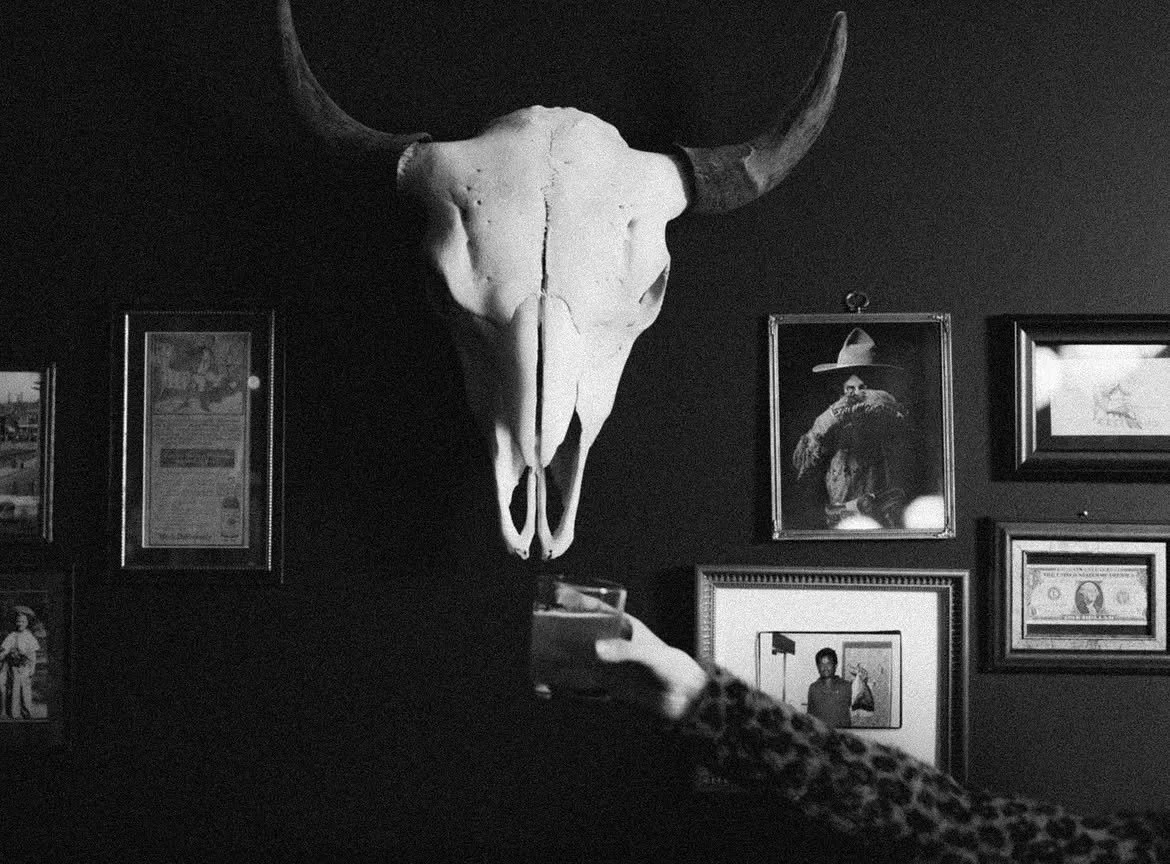
With a name that sounds like the title of a Kacey Musgraves song, it’s not surprising that this downtown spot occupying the former Vault Cocktail Bar space goes heavy on what you might call a glammed-out style. Besides the obvious effort to make things a little more upscale than the other bars in this piece, owner Collin Nicholas nods to a culture that is historically overlooked but absolutely fascinating: Hawaiian cowboys. You should go down the rabbit hole and research this movement that began in the 1800s, but for our purposes, it translates to a food and drink menu that leans toward the Pacific islands.
You can order a curry-accented gin sour with bell pepper, coconut, and lime; a bright peach margarita topped with lime salt foam; or the super creative whiskey sour called Five Longhorns, which works in roasted pear and zucca rabarbaro. Many of the cocktails make prominent use of tequila and mezcal, fusing them with tiki-inspired ingredients.
While the food menu originally leaned into more Hawaiian flourishes, these days it has taken a direction that feels like gussied-up Pacific Northwest cuisine with just a touch of twang. Potato skins come with herb crema and tobiko, pork piccata is drizzled with persimmon gastrique, and they even have steak frites (because are you even a restaurant if you aren’t serving it these days?).
The decor at Fools & Horses is slightly extravagant while still evoking a rustic charm. This is the kind of setting where you bring people visiting and charge it all to the expense account. The walls are black and gold, while the backbar features a tower of bottles set in front of an intricate pattern that brings to mind the elegant tin ceilings of old West saloons. Of course, this is the work of Lonesome Pictopia, the talented team behind some of Portland’s most famous businesses.
The end result is a place that is posh and maybe a bit fancier than what your average cowboy or dive bar denizen is looking for, but one that offers a place as well suited for celebrations as for mysterious boozy encounters.
