

Why Beverage Brands Invest in Software Development
Beverage companies no longer rely solely on classic recipes and catchy billboard ads to stay ahead. Modern drink makers are turning into tech innovators to manage complex operations across global facilities. Developing custom digital tools helps these brands streamline production and meet shifting market demand with speed.

Smart Factory Operations
Drink manufacturers face distinct production hurdles when scaling up assembly lines. Hiring teams with specialized technical expertise allows factories to automate mixing schedules and reduce batch wastage. Modern plants rely on automated monitors to keep taste profiles consistent across millions of beverage cans.
Custom factory software links floor machinery directly to central management dashboards. Maintenance alerts inform staff of mechanical wear before major equipment failures occur - keeping facility downtime to minimum levels. Automated inventory scans help shift managers order raw ingredients right on schedule.
An industry overview from Wana Beverage highlights how digital tools move plants toward agile setups with faster market release times. Mordor Intelligence found software held 47.35% of AI spending in this sector in 2025.
Supply Chain Visibility and Compliance
Strict regulatory rules demand precise ingredient tracking from farm to store shelves. Master Software Solutions pointed out that 2026 brings tighter FDA mandates alongside rising ingredient costs. Managing these compliance obligations requires reliable code and centralized data platforms.
Digital tracking systems log batch numbers, storage temperatures, and transport timelines. Distributors can trace contaminated shipments in seconds rather than spending weeks on manual paper audits.
Tech investments in supply networks are growing across the board:
TradeVerifyd notes 55% of supply chain leaders spend more on technology.
Over 60% of those leaders budget more than $1 million for tech upgrades.
Future Market Insights projects sector software value reaching $11,354.8 million by 2035.
Sustainability and Waste Reduction
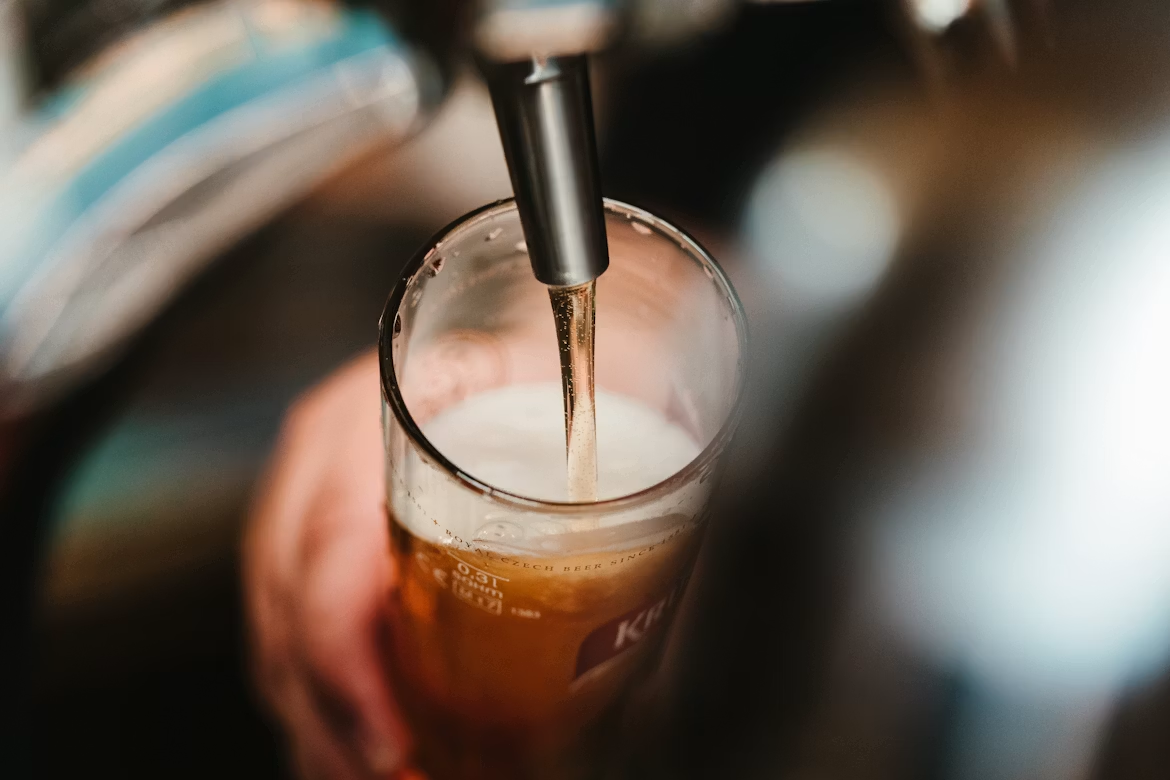
Environmental targets push bottling operations to track resource consumption closely. An update from RESET detailed how software platforms monitor energy use across brewing workflows. Cutting water usage helps bottling plants meet green targets without slowing output.
Resource Management Systems
Food Technology Magazine reported 50% of industry professionals plan AI investments. Another 48% intend to build supply chain tracking platforms. These systems flag equipment faults early to prevent costly liquid spills during filling cycles.
Smart sensors measure electricity consumption across peak hours to lower utility expenses. Plant operators adjust production shifts based on energy pricing data to keep manufacturing costs predictable.
Direct Consumer Engagement and Analytics
Customer preferences shift quickly as modern shoppers demand full product details. Custom platforms let beverage labels collect direct feedback and track purchase habits. Targeted mobile applications turn occasional buyers into repeat customers through personalized rewards.
Data dashboard tools give management teams instant sales insights across regions. Bottlers can adjust regional distribution before retail stores run out of stock. Direct connection with consumers builds strong brand loyalty in competitive store aisles.
Connected packaging - such as unique codes on bottle caps - creates interactive brand experiences. Marketing teams track campaign success using real-time scan metrics from store shelves.
Investing in custom applications helps beverage brands scale efficiently while protecting profit margins. Software infrastructure turns daily operational data into actionable business intelligence. Companies that embrace these digital tools position themselves to dominate supermarket shelves for years to come.