

From Taprooms to Smartphones: How Entertainment Is Changing a Night Out
From Taprooms to Smartphones: How Entertainment Is Changing a Night Out
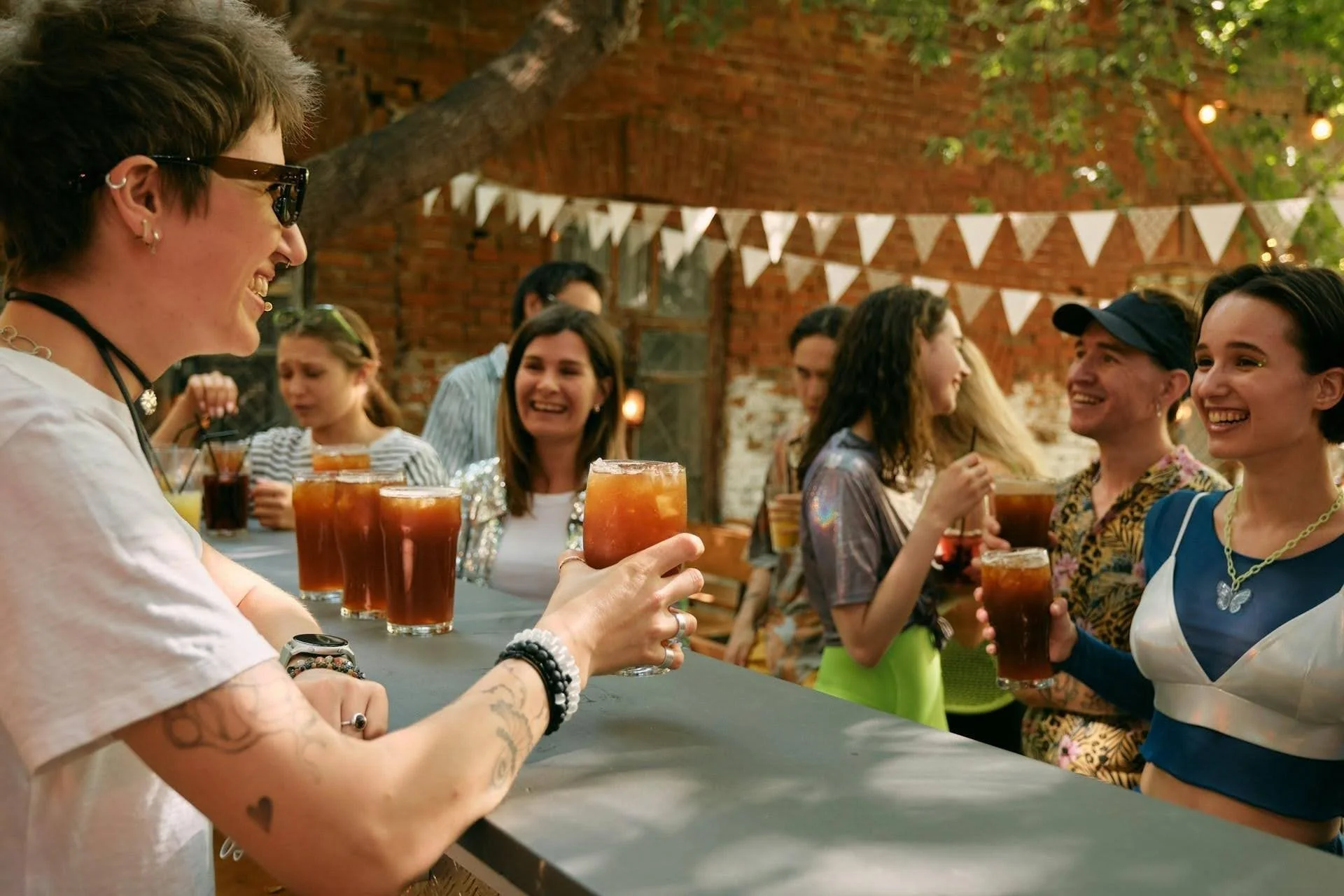
Going out for a drink used to have a fairly predictable rhythm. Friends met at a bar, ordered something they enjoyed, talked for a few hours and eventually headed home. That basic formula has not disappeared, but the modern night out has become far more flexible. Craft breweries, taprooms and bars increasingly sit within a much broader entertainment culture where food, games, events and digital experiences all compete for attention.
Craft beer venues have been particularly good at adapting to this shift. Many taprooms are designed as social destinations rather than simple places to order a pint. People might arrive for a new beer release and stay for trivia, live music, a food pop up or an unexpected conversation with another group. At the same time, smartphones have added another layer to the experience, giving people instant access to entertainment whenever the pace of the evening slows.
Taprooms Have Become Places to Spend an Evening
The appeal of a good taproom is no longer determined entirely by what is flowing from the taps. Beer remains central, of course, but atmosphere has become just as important. Comfortable seating, interesting food, outdoor spaces and a lively calendar can turn a quick visit into several hours out with friends.
This is particularly visible in craft beer culture, where breweries often have a strong local identity. Trivia nights, release parties, tasting events and collaborations give customers reasons to return even when they already know the core beer range. Instead of treating entertainment as an occasional extra, many venues use it as part of the personality of the space.
It also changes the way people behave once they arrive. A group does not necessarily spend an entire evening doing one thing. They might try a flight, order dinner, join a game and then settle into a quieter conversation. The night becomes a collection of small experiences rather than a single activity.
Smartphones Fill the Gaps Between Social Moments
Phones are sometimes portrayed as the enemy of socialising, but their role on a night out is more complicated. They help people find venues, check menus, arrange transport, split bills, take photographs and decide where to go next. During quieter moments, they also provide quick entertainment.
Someone waiting for friends might scroll through sports results. Another person might play a game while the rest of the table is ordering food. Others might check a brewery’s latest releases or look up another bar nearby. These interactions are usually brief, fitting around the physical experience rather than replacing it.
Mobile gaming has developed around exactly this type of behaviour. Instead of requiring someone to sit at a computer for a long session, many games can be opened for a few minutes and then put away. Even casino entertainment has moved strongly in this direction. A mobile deposit casino such as MrQ, for example, can be accessed through a smartphone and supports mobile friendly payment methods including debit cards, PayPal, bank transfer and Apple Pay. That makes it part of a much wider shift toward entertainment and everyday transactions being available from the same device people already carry everywhere.
The important point is not that everyone in a taproom suddenly wants to spend the evening looking at a screen. It is that entertainment has become portable. People can move between conversation, food, drinks and something on their phone without treating them as completely separate parts of the evening.
The Best Venues Give People Something to Do
There is a reason games work particularly well in beer venues. Conversation naturally rises and falls during a long evening, and a shared activity can give a group something new to focus on.
Traditional options remain popular. Pool tables, darts, shuffleboard and board games can transform a quiet corner into one of the busiest parts of a venue. Trivia works differently because it can involve almost everyone in the room at once, creating a temporary sense of community between people who may never have met before.
The attraction is not necessarily competition. Games give structure to social time without dominating it. People can talk while they play, take breaks to order another drink or simply watch friends participate.
Friend groups like to use a truth or dare wheel to fill quiet lulls during casual gatherings and keep everyone entertained. Adding lighthearted prompts helps draw out quiet guests and keeps the atmosphere lively without putting anyone on the spot.
Digital technology has expanded that idea rather than replacing it. Phones can support quizzes, music selection and other interactive experiences, while some venues use digital ordering or loyalty programmes. The most successful technology tends to remain in the background, making the evening easier rather than demanding constant attention.
Convenience Has Changed What Customers Expect
One reason mobile technology has become so embedded in leisure is that people now expect everyday processes to happen quickly. Buying tickets, reserving a table, paying for transport and transferring money can all be handled through a phone.
That expectation follows people into bars and breweries. Customers increasingly appreciate clear online menus, accurate opening hours and simple information about upcoming events. Contactless payments have also made settling a tab considerably easier than it once was.
There is still value in slowing things down, particularly when enjoying craft beer, but convenience and relaxation are not opposites. Removing small frustrations can actually make it easier for people to focus on the social side of an evening.
The National Institute on Alcohol Abuse and Alcoholism, part of the U.S. National Institutes of Health, provides extensive information about alcohol consumption and encourages people to understand how drinking can affect the body. That kind of awareness remains relevant as nightlife becomes more varied. More entertainment does not need to mean more drinking, and a venue offering food, games and other activities can give customers more ways to enjoy their time together.
Food Has Become Part of the Entertainment
Food has undergone its own transformation within craft beer culture. A bowl of peanuts or a basic bar snack is no longer the only option. Food trucks, chef collaborations and carefully planned menus have made eating an important part of many brewery visits.
There is an obvious practical advantage. People who intend to spend several hours somewhere appreciate having good food available. But there is also an experiential element. Pairing a beer with an interesting dish gives people another reason to explore the menu and talk about what they are tasting.
Breweries can use food to express their identity too. A venue might work regularly with local vendors or build events around a particular cuisine. Seasonal beer releases can be paired with seasonal dishes, while festivals can bring several food businesses together in one location.
It is another example of how the modern night out has become layered. Beer may bring someone through the door, but several different experiences can determine how long they stay.
Events Give People a Reason to Come Back
A strong event calendar can turn a brewery into a genuine neighbourhood gathering place. Live music may attract one audience, while a charity event, beer festival or trivia competition brings another.
For independent breweries, this matters because people have plenty of choices about where to spend their leisure time. A memorable beer can encourage a second visit, but so can remembering that Wednesday is trivia night or that a favourite food vendor appears every Friday.
Events also create experiences that cannot be replicated completely online. A person can listen to music, order food or play games at home, but the energy of doing those things around other people remains difficult to reproduce digitally.
That distinction may become even more valuable as entertainment continues moving onto screens. Physical venues offer spontaneity. You might meet someone unexpectedly, discover a beer you had never considered ordering or end up staying for an event you did not know was happening.
Not Every Minute Needs an Activity
There is also a risk of trying to make modern leisure too busy. A good evening does not need a scheduled activity every fifteen minutes. Some of the best moments happen when nothing particular is planned.
That is why successful taprooms tend to offer possibilities rather than demands. A customer can participate in trivia or ignore it. Friends can play a board game or simply talk. Someone can check their phone for a few minutes and then put it back in a pocket.
Choice is ultimately what defines the modern entertainment experience. People increasingly want the freedom to decide how active, social or relaxed an evening should be.
The Night Out Has Become a Mix of Experiences
Craft beer culture illustrates the change particularly well because breweries have never needed to behave exactly like conventional bars. They can experiment with food, events, design and entertainment while still keeping beer at the heart of the experience.
Smartphones have simply added another option. They connect people to transport, payments, information and entertainment without requiring the evening to revolve around technology.
The most enjoyable nights therefore tend to move naturally between different moments. There might be a new beer to taste, a game with friends, dinner from a local food truck, a few minutes checking something on a phone and a long conversation that was never planned.
Rather than competing with one another, physical and digital entertainment increasingly coexist. For breweries and taprooms, that creates an opportunity to concentrate on what they do particularly well, providing a welcoming place where people have enough options to make the evening their own.