

What Turns a Quick Beer Into a Whole Evening at a Taproom?
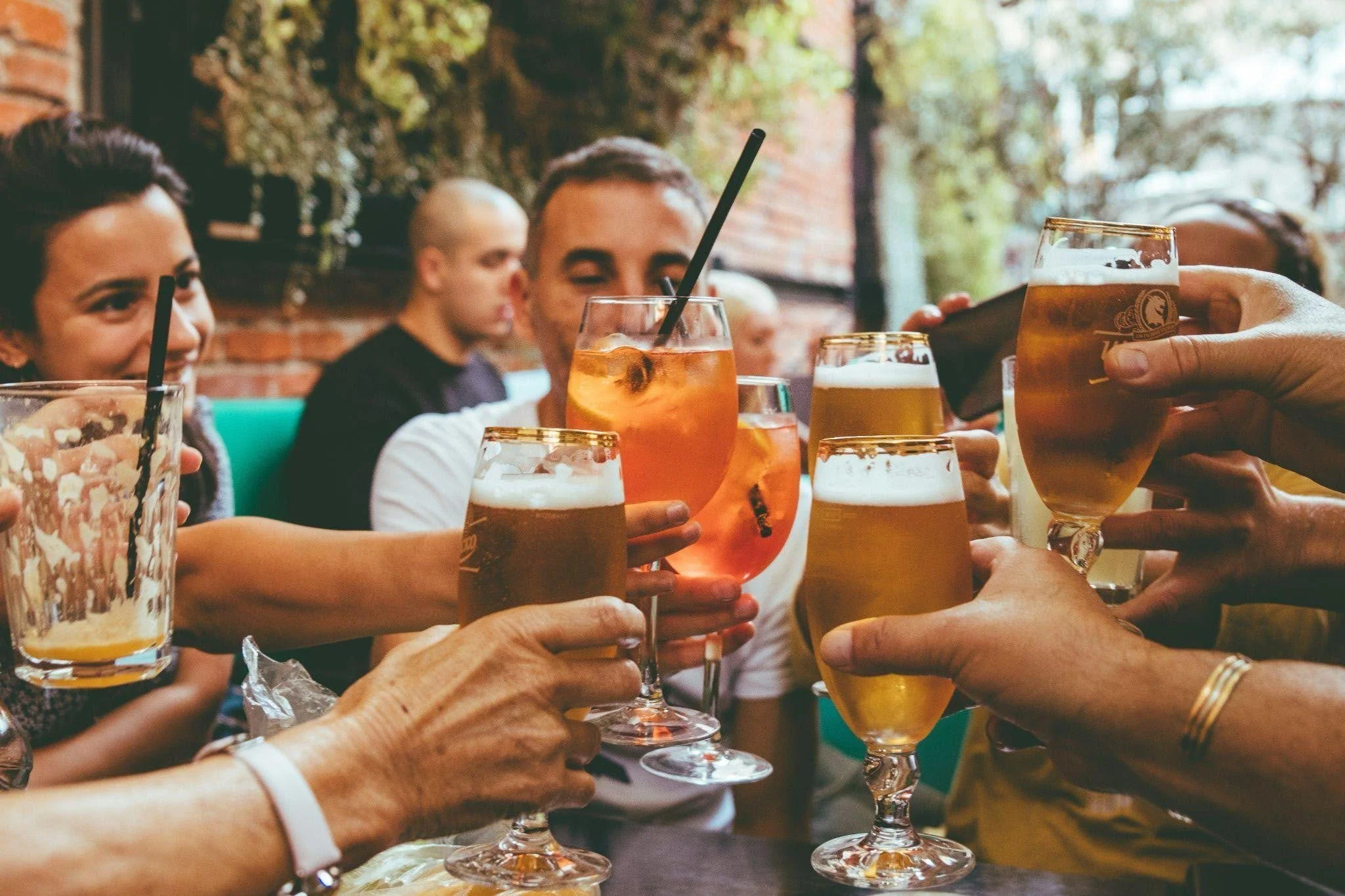
Photo by Fred Moon on Unsplash
A taproom can pour excellent beer and still struggle to keep people around for more than one drink. The reason is simple: customers experience the room before they fully experience the product. If the space feels uncomfortable, noisy, dirty, confusing, or difficult to settle into, even a strong beer list may not be enough to turn a quick visit into a longer evening.
The best taprooms understand that the atmosphere is not created by one dramatic design choice. It comes from dozens of practical details working together, clean floors, comfortable seating, manageable noise, friendly service, good lighting, and enough room for people to relax without feeling crowded.
Beer may get someone through the door. The environment often decides how long they stay and whether they come back.
Keep the Floor Clean Without Making the Room Feel Sterile
Taprooms deal with a constant mix of foot traffic, crumbs, dirt from outside, dropped snacks, and occasional spills. By the middle of a busy evening, floors can start looking tired even when they were spotless at opening. For larger spaces, using a walk behind sweeper can make routine debris removal more efficient than relying entirely on manual sweeping.
The goal is not making the room feel like it has just been disinfected every ten minutes. It is preventing visible mess from becoming part of the atmosphere. Entrance areas, routes to the bar, spaces around communal tables, and outdoor-to-indoor transitions usually need the most attention.
Quick, discreet cleaning during service can make a major difference. Customers should notice the room feels cared for without constantly seeing staff fighting yesterday’s mess.
Give People More Than One Kind of Place to Sit
Not every customer wants the same taproom experience. Some come with friends and want a large communal table. Others stop in alone, meet one person after work, or want somewhere quieter where conversation is easy.
A room built entirely around one seating style can make certain customers feel as though they do not quite belong there.
Mixing bar seating, smaller tables, larger group tables, and a few more relaxed areas creates flexibility without requiring a huge space. The arrangement matters too. If chairs are packed so tightly that people constantly need to move for others, the room can feel stressful even when it looks busy in photographs.
Comfort does not mean expensive furniture. Stable chairs, sensible table heights, and enough personal space go a long way.
People stay longer when sitting down feels easy.
Control Noise Before It Takes Over the Room
A lively taproom should sound lively. Complete silence would feel strange. The problem starts when music, conversations, hard surfaces, bar equipment, and large groups all compete at the same volume.
Once people have to raise their voices to hold a normal conversation, the room can become tiring surprisingly quickly.
Music volume is the obvious place to start, but acoustics matter just as much. Concrete floors, bare walls, metal furniture, and high ceilings can create a room that amplifies everything. Soft materials, wall treatments, curtains where appropriate, or even the way furniture is positioned can help reduce harsh echoes.
Different times of day may also call for different energy. Friday night can handle more volume than a quiet Sunday afternoon.
The aim is not creating a library. It is making conversation possible without effort.
Make the Bar Easy to Understand
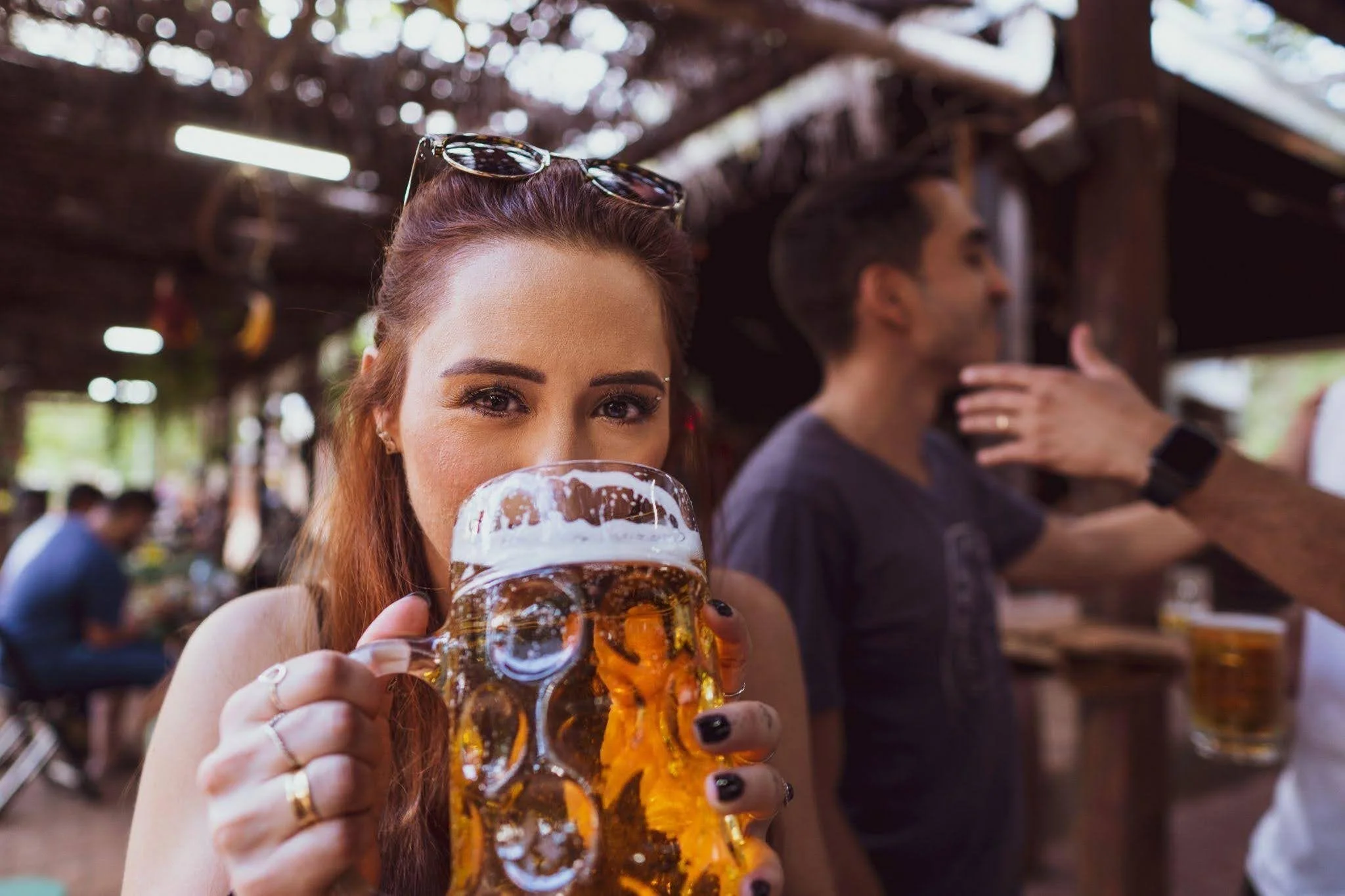
Photo by Fábio Alves on Unsplash
Customers should not have to study the room for several minutes to work out where to order, where to collect drinks, whether tabs are available, or what happens if they want another round.
A clear service flow makes a taproom feel much calmer.
Menus should be readable from a practical distance, and beer descriptions should help rather than overwhelm. Not everyone understands every style, hop variety, or brewing term, so short, useful explanations can make ordering more comfortable.
Staff recommendations matter as well. A bartender who can ask a couple of simple questions and guide someone toward a beer they are likely to enjoy can turn uncertainty into a positive experience.
That is especially important for customers who do not consider themselves craft-beer experts.
A good taproom should reward curiosity rather than make people feel as though they need to pass a test before ordering.
Do Not Forget the People Who Are Not Drinking Beer
Groups are rarely made up of people with identical preferences.
Someone may be driving, taking a break from alcohol, or simply not interested in beer. If the only alternative is tap water or one forgotten soft drink, the entire group has fewer reasons to stay.
A small but thoughtful selection of non-alcoholic options can make the room much more flexible. The same is true of food. A taproom does not necessarily need a full kitchen, but snacks, simple food, food trucks, or clear options nearby can extend visits considerably.
Once people become hungry, they often leave. If there is no reason to return afterward, that may end the evening.
Thinking beyond beer does not weaken the taproom’s identity. It makes it easier for more groups to enjoy the space together.
Make Staff Part of the Atmosphere
Interior design gets plenty of attention, but staff often have a stronger effect on how a taproom feels.
A simple greeting, quick acknowledgment when the bar is busy, or helpful recommendation can make customers feel comfortable almost immediately. The opposite is true when people stand at the counter without knowing whether anyone has noticed them.
Good service does not need to be overly enthusiastic. It needs to feel attentive and natural.
Regulars appreciate being recognized, while new visitors should not feel that they have walked into a private club where everyone else already knows the rules. Staff can bridge that gap simply by being approachable.
They also influence the pace of the room. Calm, organized service makes a busy taproom feel energetic. Disorganized service makes the same crowd feel chaotic.
Give People a Reason to Return Beyond the Beer List
Rotating taps are useful, but atmosphere and routine often create stronger loyalty.
Quiz nights, small live performances, release events, local collaborations, food pop-ups, or community gatherings can give people a reason to choose the taproom on a specific night rather than visiting only when they happen to be nearby.
The key is matching events to the space. A small room does not need a packed calendar of loud activities. Even occasional events can create momentum if they feel connected to the character of the venue.
Regular customers also notice consistency. If the room is clean, service is friendly, seating works, and the atmosphere feels good every visit, returning becomes easy.
That is ultimately what strong taprooms achieve.
Great beer may be the reason someone visits for the first time, but the room decides whether one drink turns into two hours. When the space is comfortable, clean, welcoming, and easy to use, customers stop thinking about the environment, and start enjoying being there.