

Oregon Beer Awards Hall of Fame Interview: Deschutes Brewery founder Gary Fish, and original Brewmaster John Harris
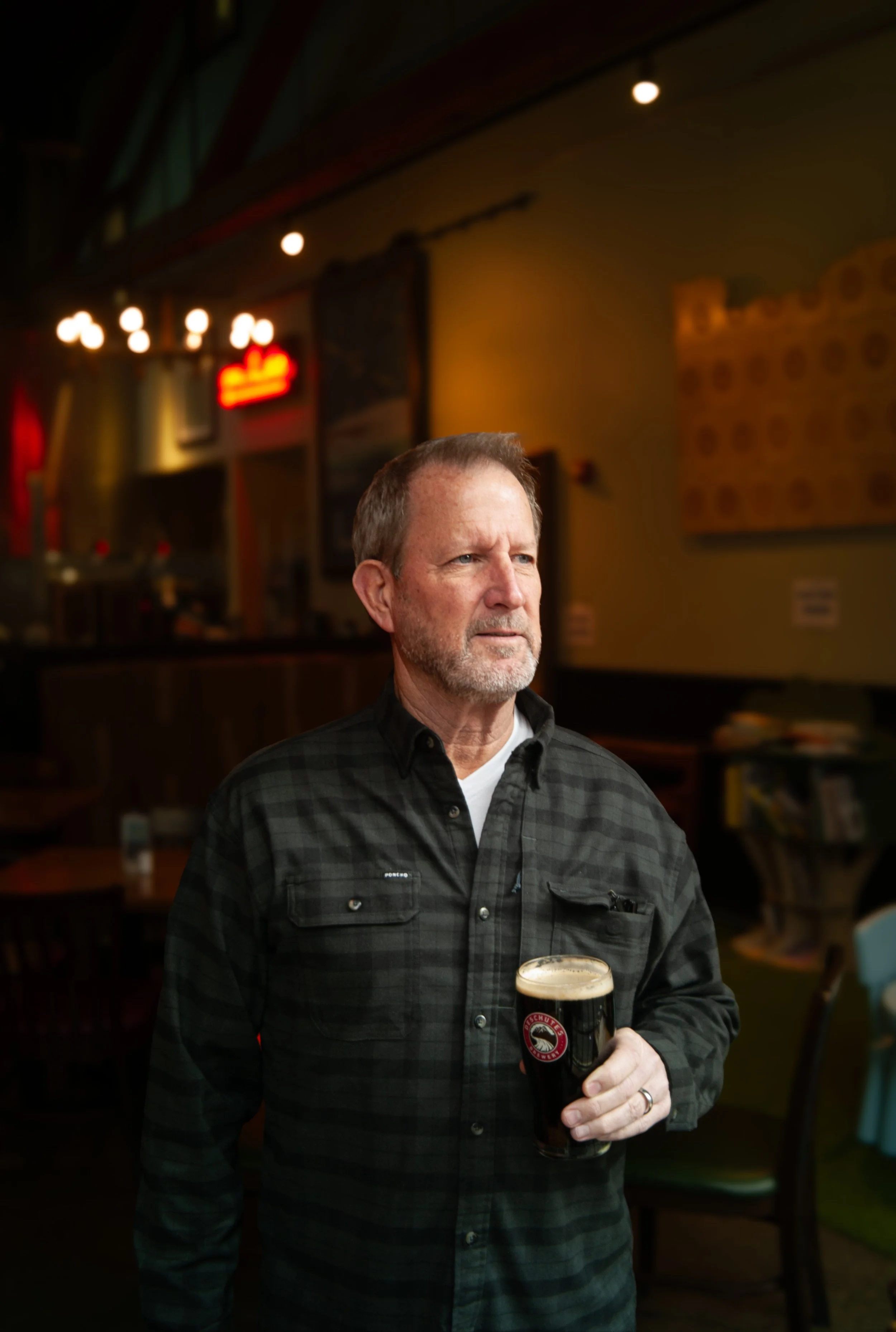
Gary Fish
When Gary Fish stepped on stage at Revolution Hall on April 10th to be inducted into the Oregon Beer Awards hall of fame, the honor was already long overdue. Founded in 1988, Deschutes Brewery is the fifth oldest operating brewery in Oregon and the largest wholly independent brewery in the state. As the founder and president of Deschutes Brewery, Gary Fish has stayed the course and paved the way for two generations of brewers and beer connoisseurs.
Earlier this year I met with Gary Fish, as well as Deschutes original Brewmaster John Harris, and Hopworks Brewery founder Christian Ettinger. Our conversations were filmed for the Oregon Beer Awards hall of fame video presented at the awards ceremony on April 10th, but edited down into a much abbreviated and digestible length. That video is presented below, followed by a much longer unedited transcript with added photos and context on the early years of Deschutes Brewery.
Gary Fish was born in Berkeley, California, but both his parents were from Oregon. After growing up in northern California where his family owned a vineyard, Fish learned about both the wine and beer industry in working at taprooms and helping a friend open a brewpub. In 1987 Fish and his wife Carol moved to Bend, Oregon hoping to find a piece of family history and a conducive environment to open a brewpub of their own.
Christian Ettinger was a young brewer in Eugene, Oregon working at Eugene City Brewery when he first met Gary Fish. Deschutes shared yeast with smaller breweries such as his, as well as wisdom and expertise with the next generations and striking up a familiar relationship like an older brother or uncle.
Christian Ettinger left his job as head brewer at Laurelwood Brewing to open Hopworks Urban Brewery in 2007, it was the first of a new younger generation of breweries who would help usher in the craft beer renaissance that would not have been possible without pioneers like Deschutes.
Christian Ettinger: “We were a brewpub like Deschutes when we started. I saw them as heroes. Deschutes set the highest standard. And as a young brewer we were chasing that. I’m forever grateful for the work that they did in those early years, It wasn’t easy and there was no direction and they marched forward and then they turned back and helped lift us up as young brewers to help to make the craft beer scene as it is today.”
Gary Fish: “Before Deschutes I was in the restaurant business, which is really where we began Deschutes in the first place as a small brewpub in Bend which was a small town seeking a new identity with the demise of the timber industry and finding its recreational side. We decided that would really suit what our business plan called for at the time.”
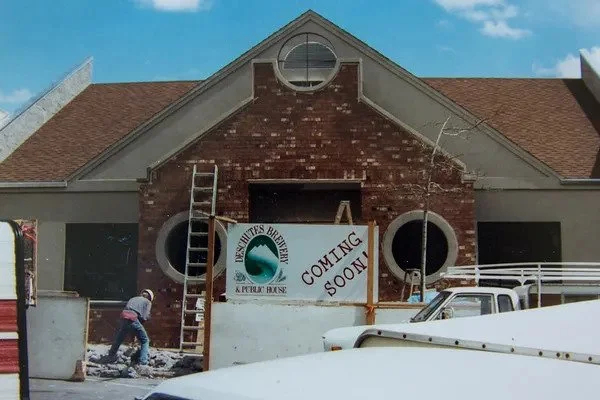
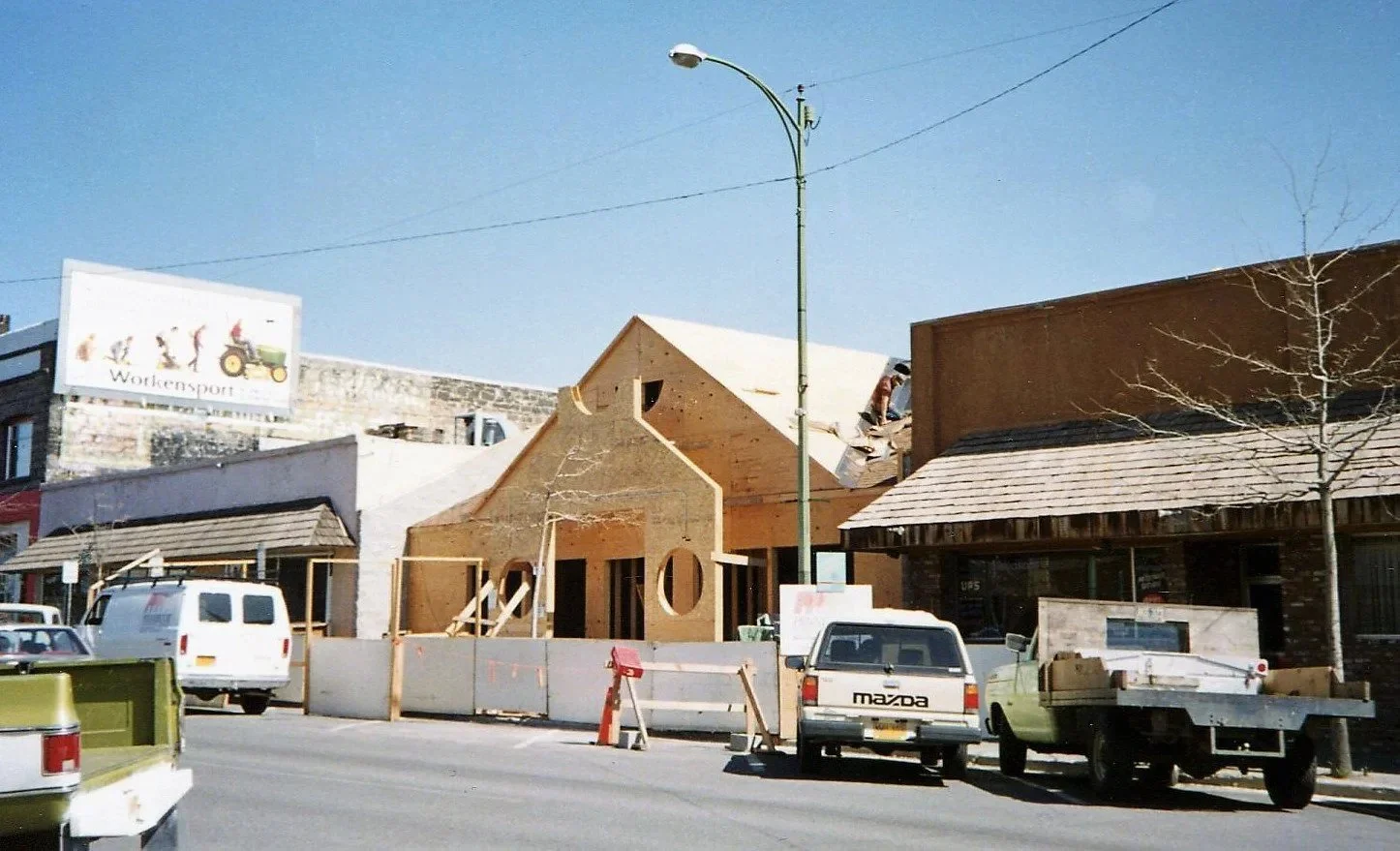
The Fish’s visited Bend for the first time in September 1987. Moved to Bend before Thanksgiving of that year. And by June of 1998 they had opened the pub at 1044 NW Bond St in old downtown Bend, Oregon.
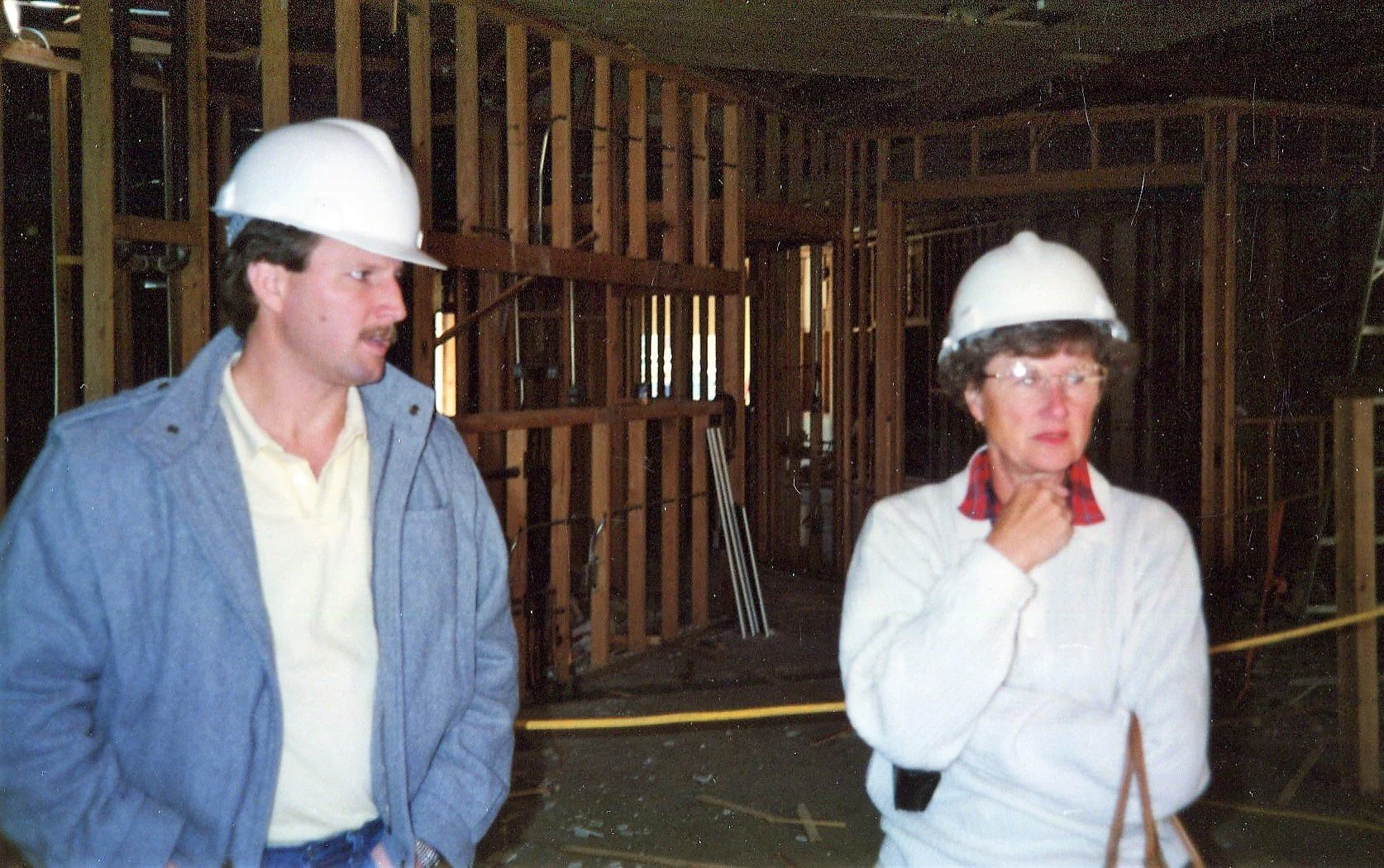
Gary Fish: “At the time Bend was a pretty depressed place, and they seemed to like the idea we had coming to town. Most of the storefronts in downtown Bend were boarded up. Those times were really tough. We believed Bend had a future but we needed to survive until that could be realized.”
John Harris: “Like most early brewpubs you are retrofitting the idea of a brewery into what in this case was an office building. I remember when I first saw the building I was like ‘how is this even going to fit in there?’”
Gary Fish had hired a consultant named Frank Appleton to help get the brewery off the ground. Appleton had 25 years experience brewing in Canada and had helped Rubicon Brewing and Humboldt Brewing in California. Appleton designed and helped manufacture the Deschutes equipment.
Gary Fish: “In the 80s in Bend there was very little microbrew scene. There were only 2 bars that had any microbrew of any kind. There were a small number of beers that were brewed in Portland that you could find on tap in Bend. But there were no breweries and based on our research we were the first brewery in Bend - ever. When you are breaking that kind of ground it is going to have its challenges.”
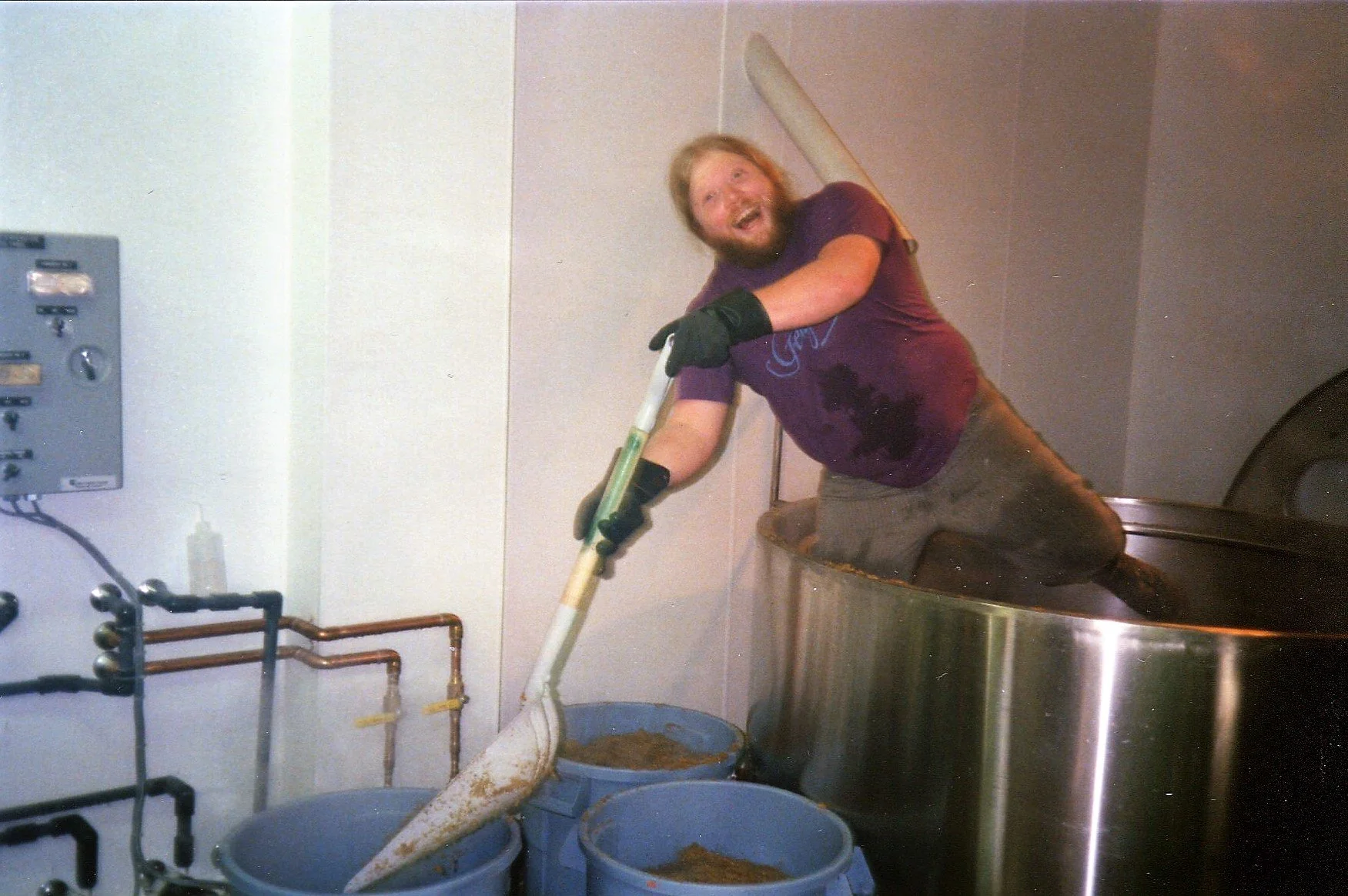
John Harris: “I got hired in late May of 1988. I had spent some time in Bend working with another guy who was going to open a brewery and it all fell apart so I eagerly took the job at Deschutes.”
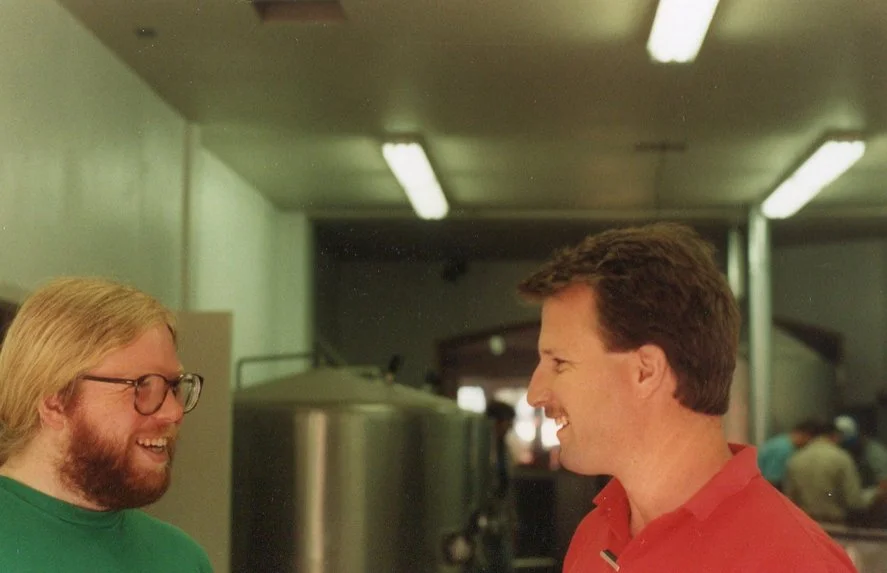
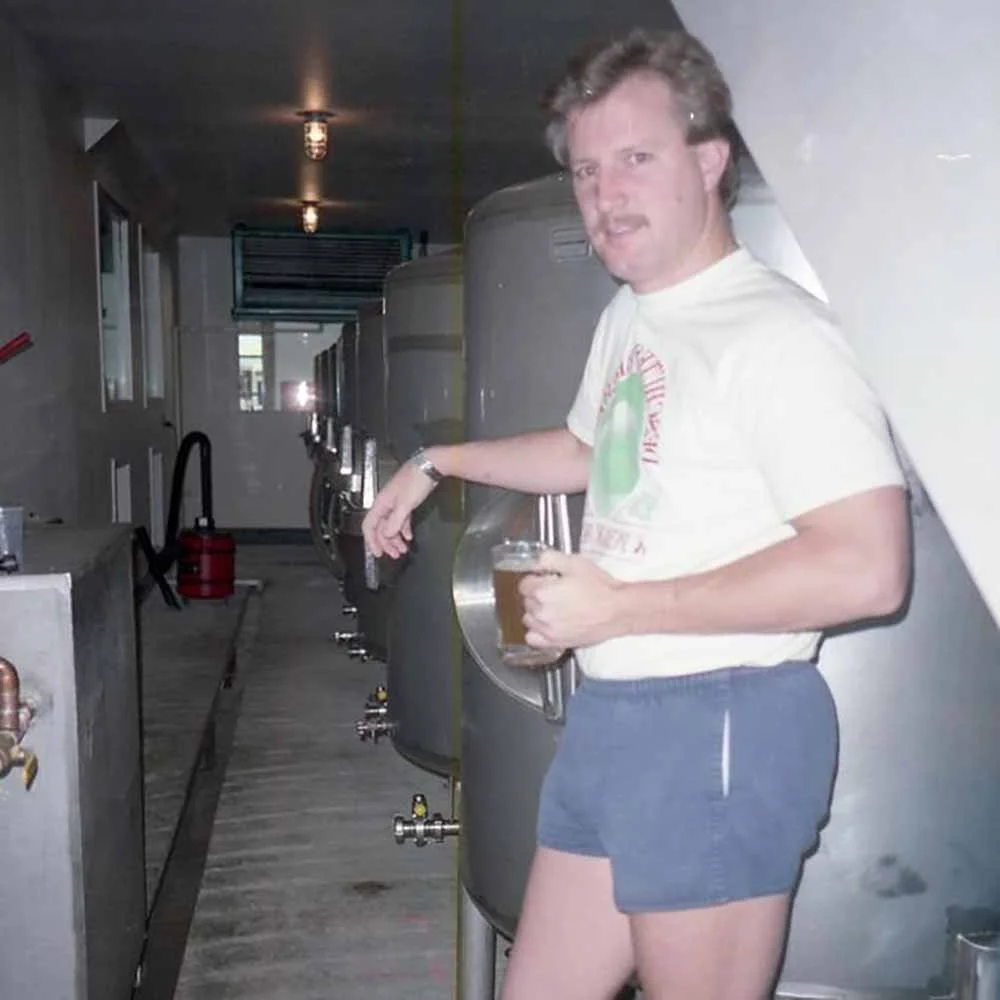
John Harris (left) and Gary Fish in 1988


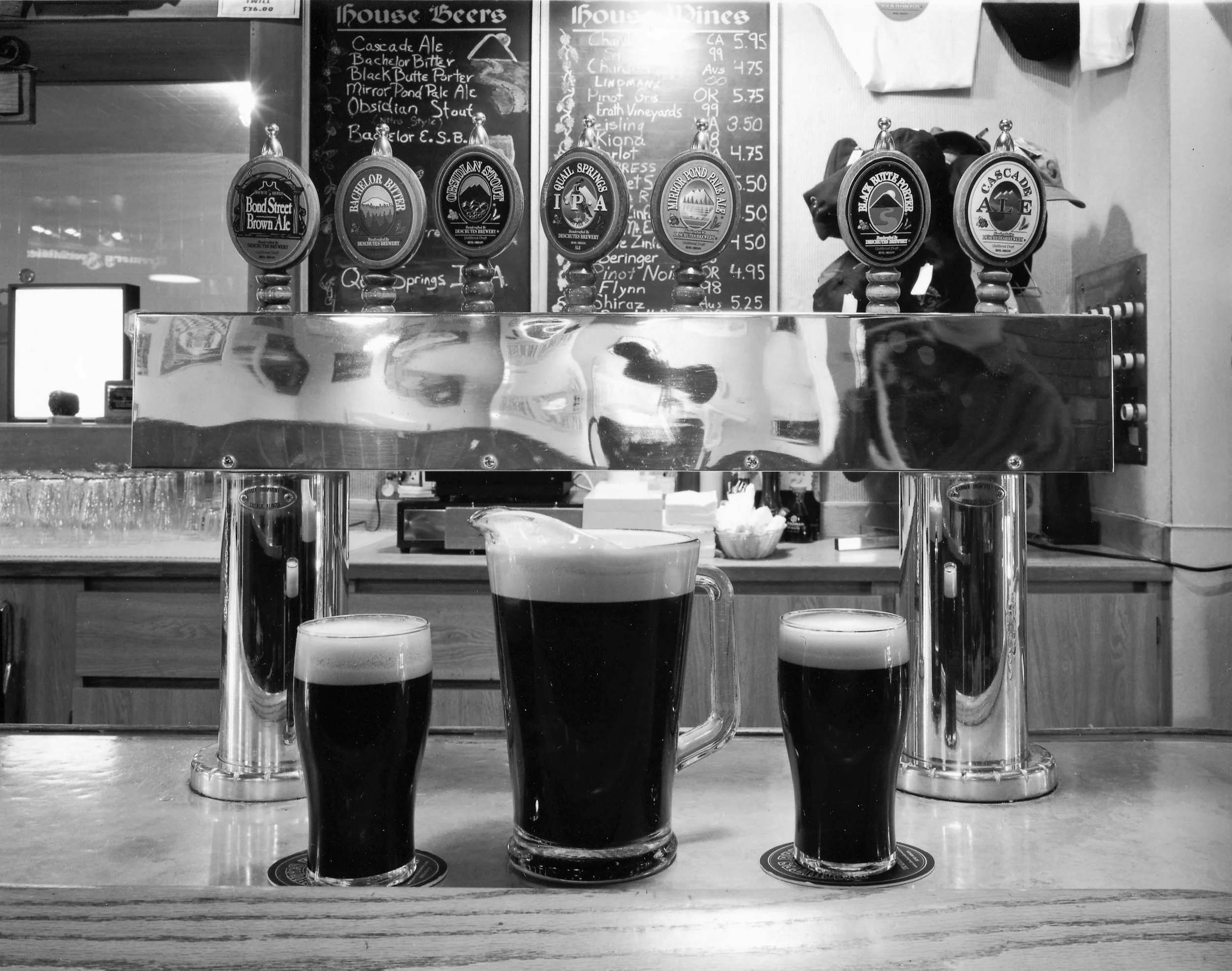
Appleton and Fish had already cooked up the first and original core three beers to launch with: Cascade Golden Ale, Bachelor Bitter, Black Butte Porter. Those styles were selected early on by Fish to represent the entire beer spectrum of the era: light, medium, and dark.
John Harris: “I was brought on about a month before we opened the pub to get the first batches in the tanks and make sure we had beer on opening day. I had 2 years experience - which was a lot in 1988. Gary was looking for experience more than someone that just came out of UC Davis or something like that. I applied and he hired me.”
Gary Fish: “We were pretty much forced to hire 12 of 15 applicants after 2 weeks of hiring, which is the sum total of the people who applied with us. So it was not the best of situations.
John Harris: “We had a bad winter in ‘88 where I couldn’t get a batch to come out.”
Gary Fish: “As a budget saving measure we were milling directly into the mash tun. For non-beer related people, it’s a hot steaming water and as that steam went up the shoot from where the milled grain was passing, basically it formed a paste and where the paste was formed some of the flour and dust got into the walls and attracted all matter of vermin, not just mice but also the microscopic kind. It was a very challenging time.”
John Harris: “The brewing equipment was pretty good but the install wasn’t as good as it could have been. We were getting yeast every day from different people. Gary’s dad was even driving yeast up from California. Eventually we brought a consultant in to look around and found some design issues that weren’t that great, we made those changes and started getting good beer out again. But it was a really long winter and at one point I remember that we were both frustrated because once again a batch went sour, and I remember Gary said ‘you’re talkin’ about your job, I’m talking about my life!’ It was a long winter but we got through it.”
Gary Fish: “We made our share of mistakes, not really understanding some of the decisions we were making and what was going to come from them. But ultimately the beer was good, John Harris was a great brewer and taught me a lot about the beer.”

John Harris: “Gary knew what he wanted to do. He had a vision. One thing I really liked about Gary is he took the idea of quality, especially quality beer, very seriously. He hired Frank Appleton to help get us started and make sure we had good beer. The first time I worked for him he shipped me off to UC Davis right off the bat to take a quality control and microbiology course. He was like ‘you are going to brew school, we are going to get you more knowledge’ so his commitment to quality and investing in me was really great.”
Gary Fish: “Early on there was no success to be found. Bend was a very different place.”
John Harris: “When we opened there wasn’t a lot of interest in going to the brewpub. Back in the mid 80s people were afraid of beer. It was like ‘ok here is our golden ale, it is the closest thing to what you normally drink like your Budweiser or your Henry’s or whatever. People were like ‘that’s kind of dark?’ and it was like ‘actually this is the sweetest beer we got, its called Porter.’ The reception was pretty good, Gary already had the plan for the 3 beers that were on tap all the time.
Gary Fish: “Way back then everything was an education, period. The classic call when someone walked up to the bar was Bud Light.”
John Harris: “The first beer I made was called Wycech Wheat, the second beer I brewed was Mirror Pond Pale Ale and we all know what happened with Mirror Pond Pale Ale. Basically when it went on it would sell 3-to-1 to Bachelor Bitter. At one point I said to Gary ‘Maybe we should make Mirror Pond the house beer’ and he said ‘no no we are sticking to the plan!’ Eventually we came out with Obsidian Stout, and then Jubelale which is still a big player for them in the wintertime.”
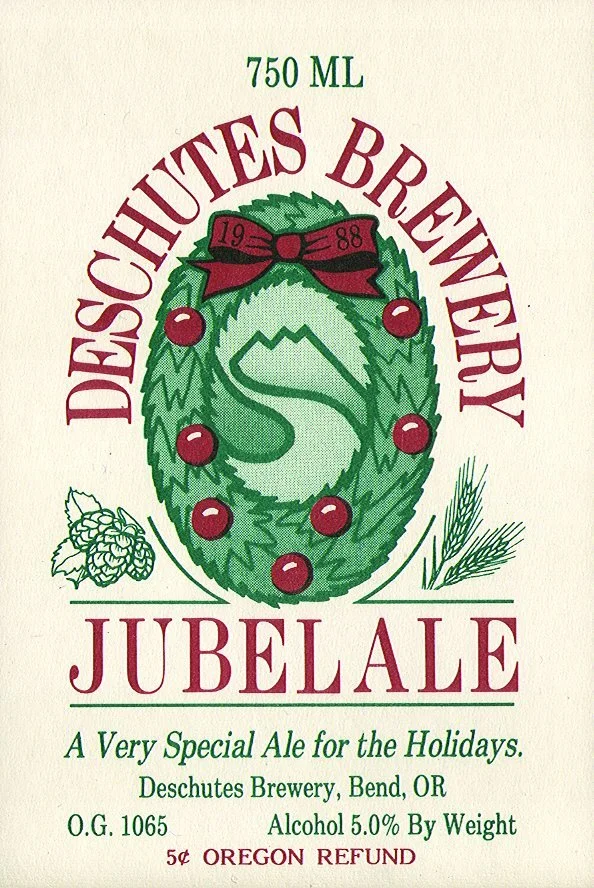
Deschutes sold their beer entirely over the bar at their public house to start. Jubelale was the first ever Deschutes beer to be packaged out of chance.
John Harris: “We were talking to our distributor and they had a bunch of old champagne bottles that they said we could just have. So we got all these used champagne bottles but they all had labels on them so I had to soak the bottles and scrub the labels off. I think it was like 700 bottles I had to hand clean and then sterilize and then filled with Jubelale just right off the taps into the bottle and then use a capper. To this day I still have the #1 bottle.”
Gary Fish: “Every consumer needed to be educated. Not only that but the retailers needed to be educated, the wholesalers needed to be educated, our suppliers needed to be educated. Hardly anybody had an idea of what we needed to accomplish. The manufacturing of alcohol is a heavily regulated industry, so the regulators needed to be educated, the bureaucrats needed to be educated. I remember the county health officials coming in to inspect our kitchen and then look at the brewing equipment and go ‘what’s that?’ it was completely foreign to them. Everywhere we turned someone needed to be educated, and educating the consumer is a particularly arduous task but that is what we needed to do. When we began craft beer was below 1% of the market.”
John Harris: “In 1990 Gary’s first trip to the GABF we walked out with 3 medals. A gold for Jubelale and a bronze for Mirror Pond right behind Sierra Nevada Pale Ale and Anchor Liberty Ale, at that point I didn’t mind taking 3rd, it was super cool. In ‘89 I went by myself and we didn’t get anything but I found some of our kegs were never tapped which means they were never even judged, because back then they tapped the draft beer, but the plugs were still sealed.”
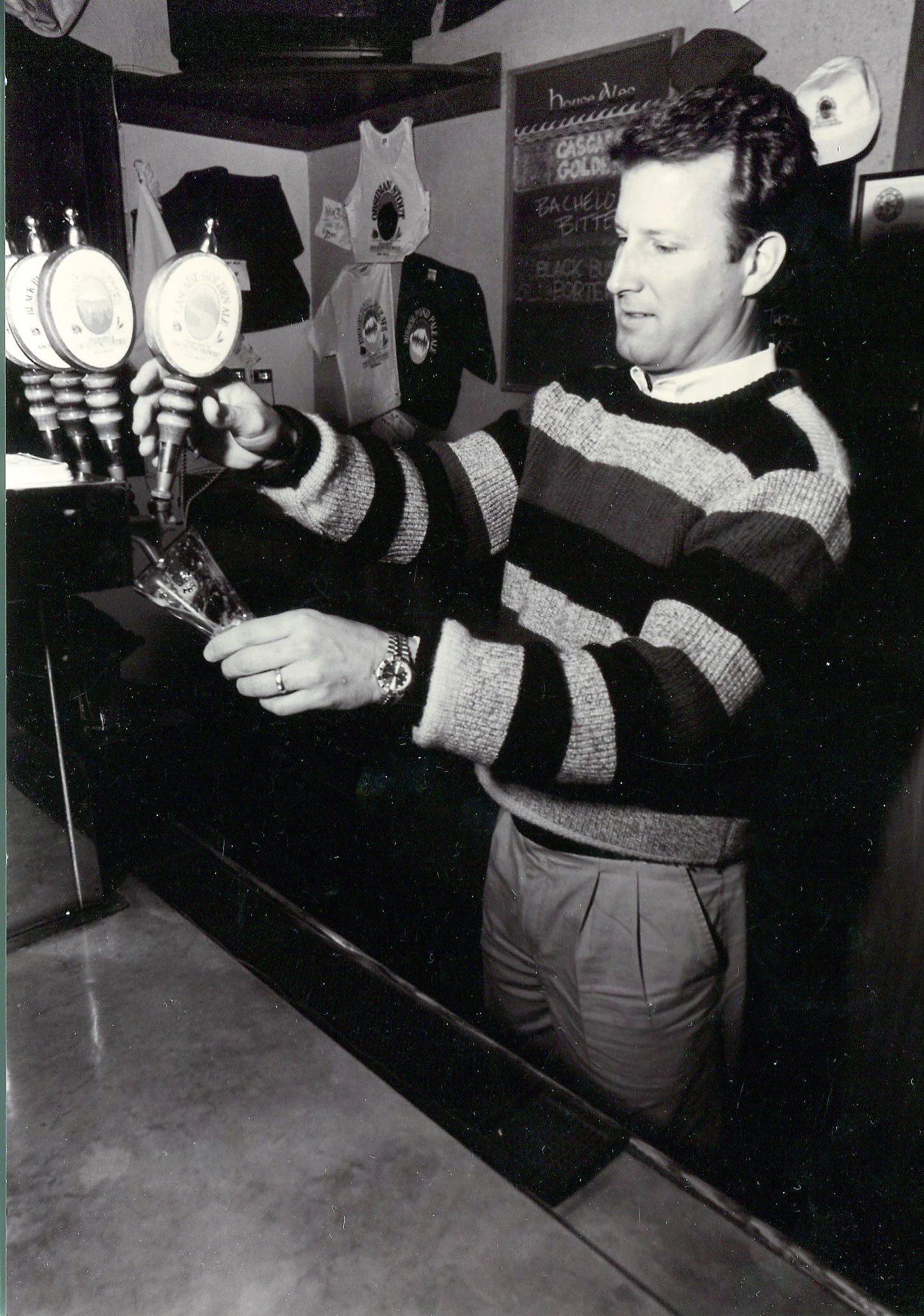
But Deschutes was still struggling. Then one day Jim Kennedy from Admiralty Beverage reached out to the brewery to let them know that a few pub owners from Portland had tried and enjoyed the beer after vacationing in Bend. Kennedy said he would love to sell some Deschutes beer in Portland taverns if they could send up some kegs, however Deschutes was just a brewpub selling beer only at their own establishment at the time.
Gary Fish: “We weren’t successful so we needed the money and we had the beer. So it was ‘sure we would love to send you some beers, do you know where we could get some kegs?’ We scrounged up some beaten up double valve golden gate kegs and began manufacturing at wholesaling and we had no idea. It was really Jim’s idea, his vision, he explained it to me as looking at the beer market as a pie. The pie for light colored beers is much larger, but its split up into much smaller pieces. But the market for dark beer is much smaller but there are fewer pieces, and as he pointed to Black Butte Porter he said ‘I think with this product you could own that whole pie’ which fit my contrarian way of looking at things. And the idea of owning part of that market appealed to all of us. And that is when we could begin to understand the value that Black Butte Porter has had and to this day it continues to garner that kind of attention. So Jim was pretty sharp.”
John Harris: “One day me and Gary were walking back from the art designer looking at the Jubelale label that was coming up. It had been about 3 weeks were it was below zero, a few weeks prior the brewery had got broken into and they stole a tri-tip, they stole my boom box which really pissed me off, you gotta have music in the brewery right? And they stole a keg of Jubelale. Well we are walking back and it was kind of sunny and I see a reflection of silver, and I look under this loading dock and sure enough these thieves had only got about half a block away with the keg before they said screw this it is too heavy and they stashed it. I saw that keg and I thought ‘oh my, its been below freezing for 3 weeks.’ So I ran up to the brewery and got the hand truck and brought the keg back. I looked at the keg and it was a golden gate keg which has the tap in the bottom and on the top. The bottom was up, so where it was frozen didn't freeze the access to the beer. So we tapped that and it was great, it was like iced Jubel and it was really thick, so we saved that and decanted it off into another keg and saved it for special occasions. And I remember one day Tim Gossack was hauling a keg up onto the roof to try to freeze it to make more of it. But that didn’t work and it got warm.”
As Deschutes began to grow they expanded out the back of the pub and into a building behind them they used as a warehouse. They were loading up semis in the street and forklifting product around the block. Eventually the city took notice and decided they were conducting an industrial operation in the downtown commercial business district that was not allowed.
Gary Fish: “We couldn’t shrink down to what we were before, we had to find some other place to grow the business and that is when we bought the land across town where our manufacturing facility is today. That is when the challenges really began.”
As Deschutes quickly learned, large scale production and packaging brewing is very different than the brewpub scale.
John Harris: “Gary’s focus on quality and when he started to build his first production brewery which I exited right before when that was in the planning stages. Gary has just been an advocate for craft beer forever, he is passionate as hell about beer. He has volunteered on every conceivable board imaginable nationwide for beer. And building the legacy for Deschutes, especially when Black Butte Porter and Mirror Pond became so entrenched in the mid 90s and into the 2000s where you basically couldn’t go into a bar and not find those 2 beers on tap. Gary’s just driving the vision forward. He really helped during the early days of the Oregon Brewers Guild when we were trying to get some respect in the state. Gary just really took his passion and shared his passion not only with his employees but with other members of the industry. Taking his time away from his business to volunteer and making those things happen was really integral to his success and craft beer nationwide I think.”
Gary Fish: “The reception of the consumers was the best gratification. The people that came to work with us was a great gratification. They taught me so much. People like to say ‘it’s all about the beer’ but to me it was always all about the people. Whether it is the people who drink the beer, the people who make the beer, the people who sell the beer. We didn't really understand how to manage that success in a lot of ways, but we always had those people to fall back on.”
John Harris left Deschutes in 1992 to become the R & D Brewmaster for Full Sail Brewing, spending many years creating their most innovative beers at their Portland pilot brewery. In 2013 John Harris opened his own brewery, Ecliptic Brewing, a true brewpub built on lessons learned from his time at Deschutes.
John Harris: “When I opened my own brewpub one of the things I took to heart besides taking quality seriously is to get the message to your staff to get them onboard right away on what you are trying to build and try to do. Breweries are so focused on their beers that sometimes food is an afterthought, I learned from Gary when we opened Deschutes how at first the food wasn’t so good. It took a while to find the right person to run the kitchen. And at the end of the day provide a fun working environment, be fair in your working practices, treat people like family, and things like that.”
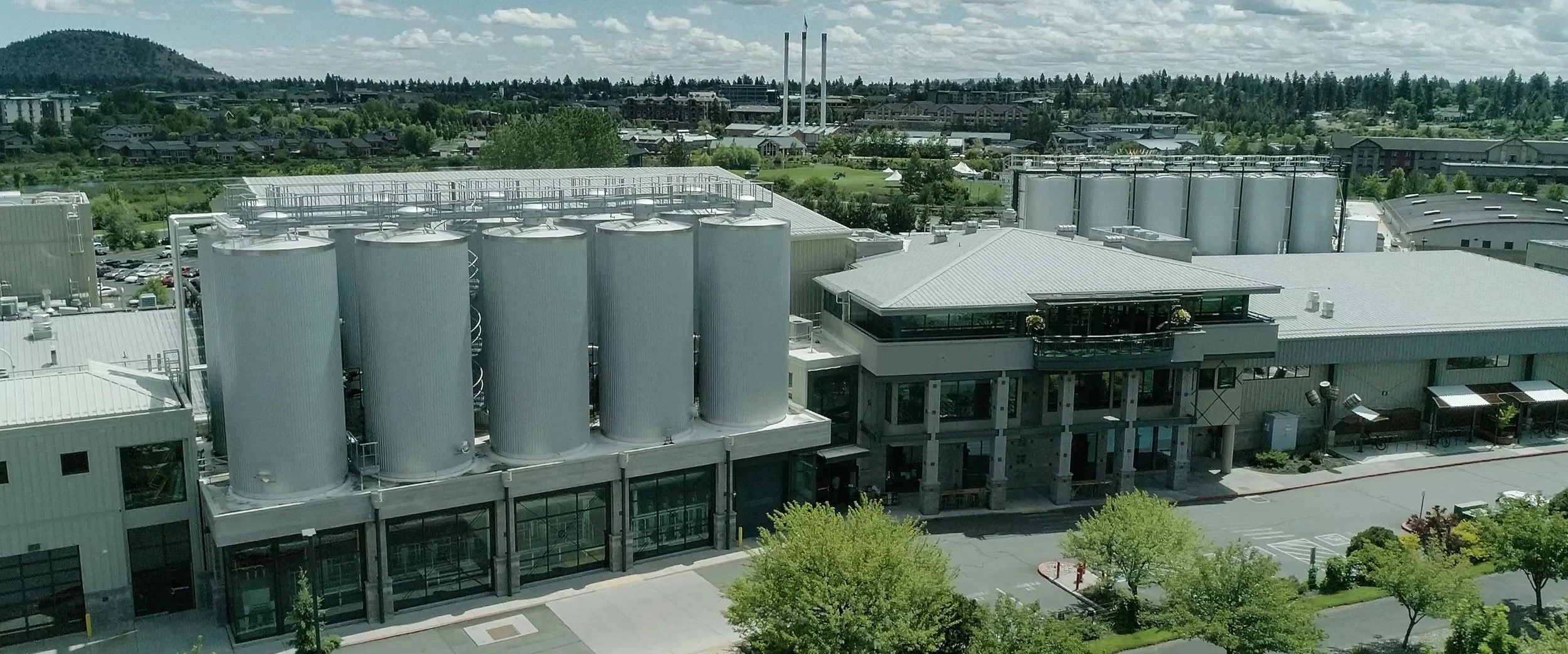
Deschutes Brewery is now the 11th largest independent craft brewery in the country with their beers distributed in all 50 states and even other countries, but the heart of the brand still lies in the brewpub. The original Deschutes pub still stands in the same place in old downtown Bend with a loyal clientele of locals and tourists from around the world.
Gary Fish: “We have so much fun in that pub. We have a group of regulars, and a lot of people say they have been there since the day we opened, but I am pretty sure a lot of these guys actually have. There are employees that have been there for over 30 years and don’t appear to be going anywhere. The smiles, the laughs, the jokes, that stuff is pretty much non-stop in there.”
John Harris: “Gary was able to keep true to his roots and still have some of those beers from the beginning. He has been able to evolve his company forward as we have moved through all the changes in craft beer over the last 30 something years. I think Gary’s legacy will be how to build a company, how to build a culture, how to build it the right way, and to make sure your business can transcend trends and stay on point.”
Gary Fish: “I certainly hope in 100 years people will think ‘ god that beer was good.’ And I think and I hope that they will remember that we took care of our community, or people, not just our staff, but our customers, or retailers, our wholesalers, our business partners. That this wasn’t just about making a buck, this is something that we took genuine pride in. This roller coaster was a real life experience, and I look at the beer industry now and the consumer has been educated. I don’t think there is anybody out there who doesn’t know what an IPA is and what it tastes like, whether they choose to drink one or not. One thing I think we really have to understand as an industry is that we are not homebrewers anymore, and we have a customer that we need to serve and sometimes that customer wants that IPA, but sometimes they don't. How do we address the consumers desire for variety? We will work very hard to serve that customer.”
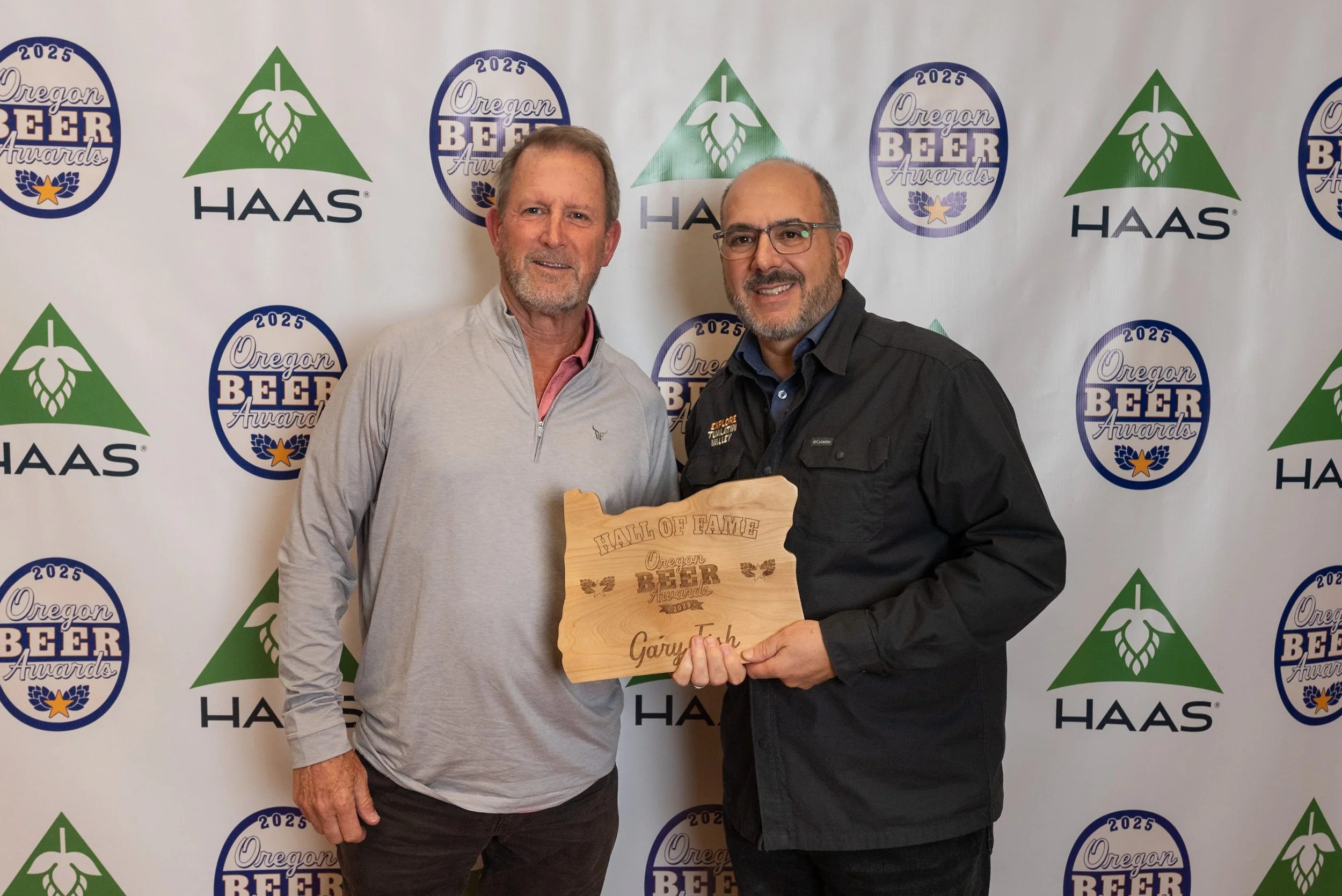
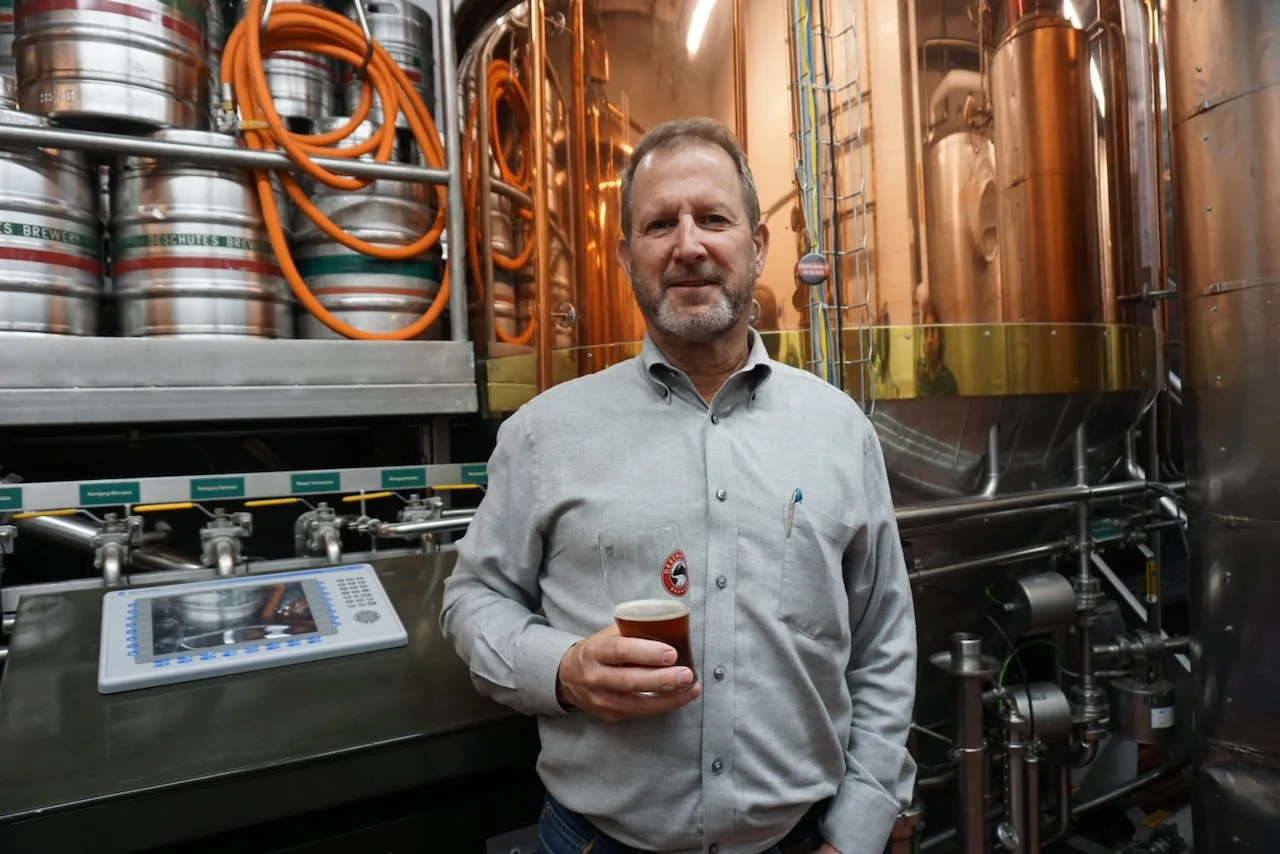
Gary Fish at the 2025 Oregon Beer Awards accepting his Hall of Fame award