

In Memoriam: Alan Sprints, Hair of the Dog Brewing founder (1959-2026)

A great light in the craft beer world has gone out, but like a distant star, Alan Sprints legacy will shine on for generations long after he is gone.
On Sunday I awoke from a post beer fest slumber to murmurs that the legendary Hair of the Dog Brewing founder Alan Sprints had passed away. Alas the news was confirmed shortly thereafter after checking in with some of his oldest and dearest friends in the tight knit global beer community (many of which have shared tributes and memories of Alan.)
Two decades before the craft beer renaissance Hair of the Dog Brewing practically invented the hype beer and high abv extreme brewing movement that took over the industry for the following two decades. Before beer nerds were forming lines outside of cult breweries for cans they were lining up by the hundreds next to the train tracks in a sketchy part of southeast Portland to get a wood-aged beer from Hair of the Dog.
But, that is reductive to what Alan Sprints actually did in reorienting the entire way people thought about beer.
Alan Sprints re-introduced barrel-aging to Americans as well as the concept of vintage beers that could be cellared and improved with age. He also presented history, historical and international styles, dusted them off and reinterpreted them for a western palate. Alan helped show the world that beer has a worthy place on the table next to a fancy meal, sniffed and swirled in a glass like a vintage whiskey, or aged to perfection like a Château Beaucastel.
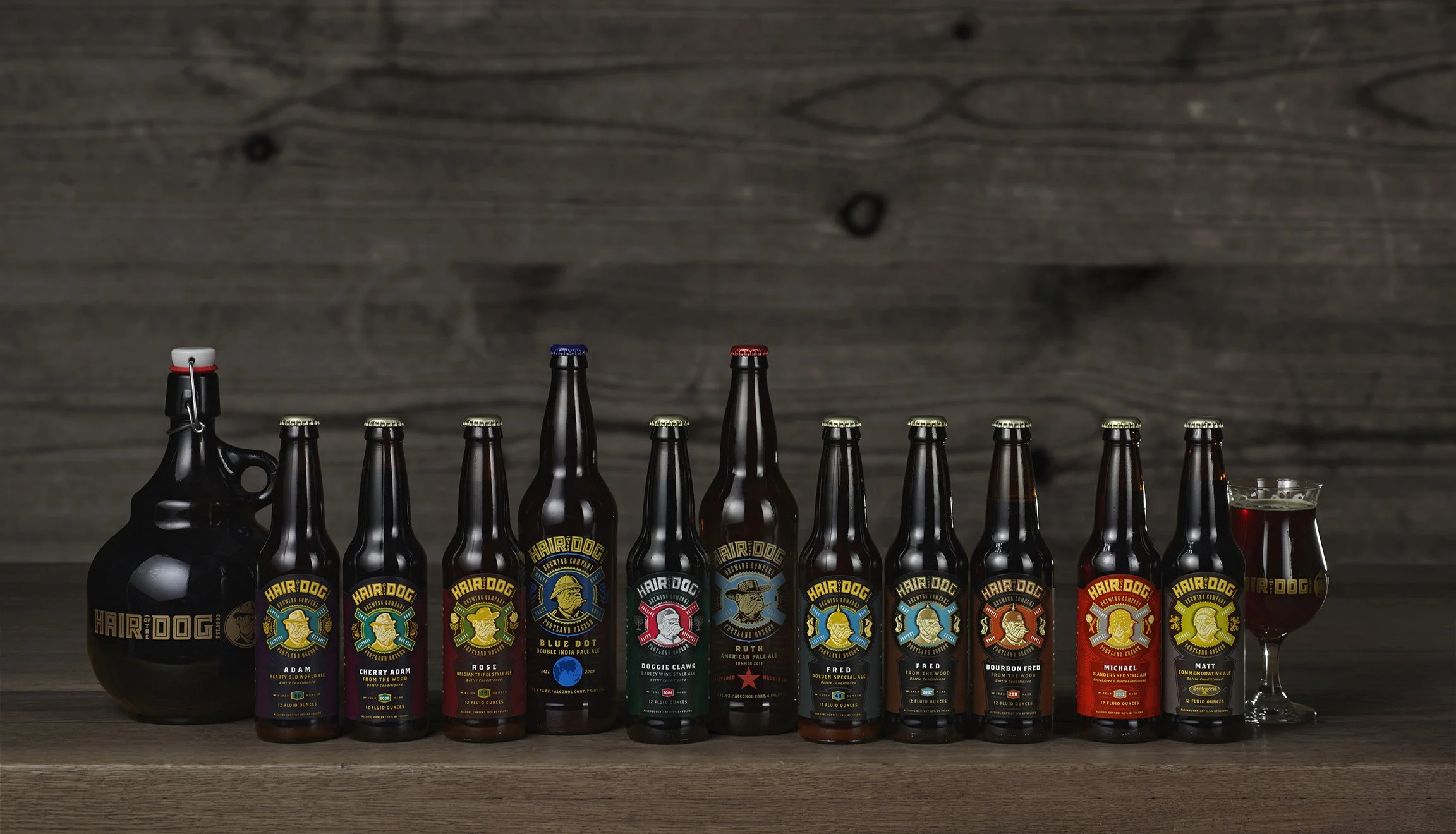
“Alan's beers were so unorthodox, so different from anything else happening in the US that they recalibrated expectations--particularly among other brewers" - wrote The Beer Bible author Jeff Alworth in 2013.“Hair of the Dog was the first modern brewery, a 2013 brewery back in 1993 and an emanation of the future to come.”
In the beginning
Alan Sprints was born on September 7th, 1959 in Culver, California, and grew up in the Los Angeles area. After spending time in the music industry and in aerospace he thought he had found his calling in food. In 1988, he moved to Portland, Oregon to attend the Western Culinary Institute and the timing was kismet.
“I had no intention of staying in town after school but I fell in love with the city,” said Alan.
That summer was the first ever Oregon Brewers Festival, an influential event that became the leading beer fest in the country and inspired generations of brewers like Alan Sprints to get into the industry.
“The event was pivotal for me, starting my interest in brewing and connecting me with the Oregon Brew Crew, one of the oldest homebrew clubs in the country. Homebrewing was a great way for me to explore the world of beer and offered freedom to create beers the way I imagined them,” said Alan.
Alan had grown up drinking import beer, which had piqued his interest in high school, but it wasn’t until experiencing the local small batch start-ups and budding craft beer community at the Oregon Brewers Festival and in the Oregon Brew Crew that he truly found his calling.
“The idea that I could actually make a living brewing beer started then, but I never really took it seriously. I was a home brewer, brewed at home, it was a fun hobby, but I was a professional chef. But it’s a very hard way to make a living, cooking for a living, so I thought brewing might be an easier way to make a living and have a family,” Alan told Food GPS in 2013.
After serving on the board of the Oregon Brew Crew as president, Alan got his first professional brewing job at Widmer Brothers Brewing in 1991. After working just 3 years as a chef, and and another 2 as a professional brewer, Alan was ready to become his own boss.
“Working as a brewer for someone else, I missed the creativity I enjoyed as a homebrewer, leading me to start Hair of the Dog in 1993,” said Alan.
Famously, Alan was sued by Widmer when he quit for breaking a non-compete clause in his employment agreement.
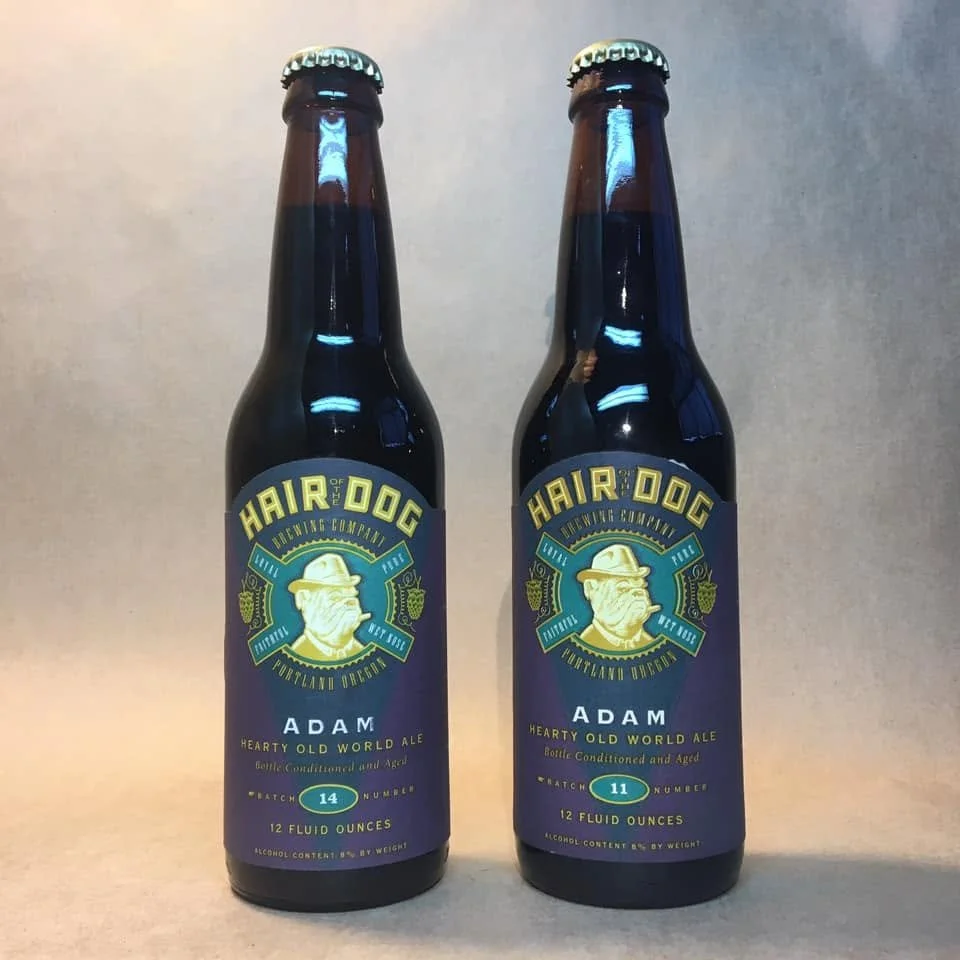
Adam
Right from the jump Hair of the Dog Brewing was different than everyone else. Their first beer release in 1994 was “Adam” a dark and rich 10% abv old world strong ale with a burly 60 IBUs balancing out the sweet flavors of sugar plums, molasses and raisins with a whisper of smoke. There was nothing else like it.
“Adam was inspired by a mention in Michael Jackson’s Beer Companion about an Adambier from Dortmund, Germany. Mr. Jackson came across the beer in John Bickerdyke’s 19th century book The Curiosities of Ale and Beer. As a young brewer, I really wanted to recreate historic beer styles,” Sprints told Beer Advocate magazine in 2015.
“Adam” was modeled after a now-defunct beer style of Dortmund that visionary Portland beer historian and writer Fred Eckhardt had discussed in lectures. Eckhardt, traveled the world and helped rediscover and highlight forgotten beer styles and new and exciting brewers and beers, and his work inspired perhaps Hair of the Dog’s most famous beer “Fred.”
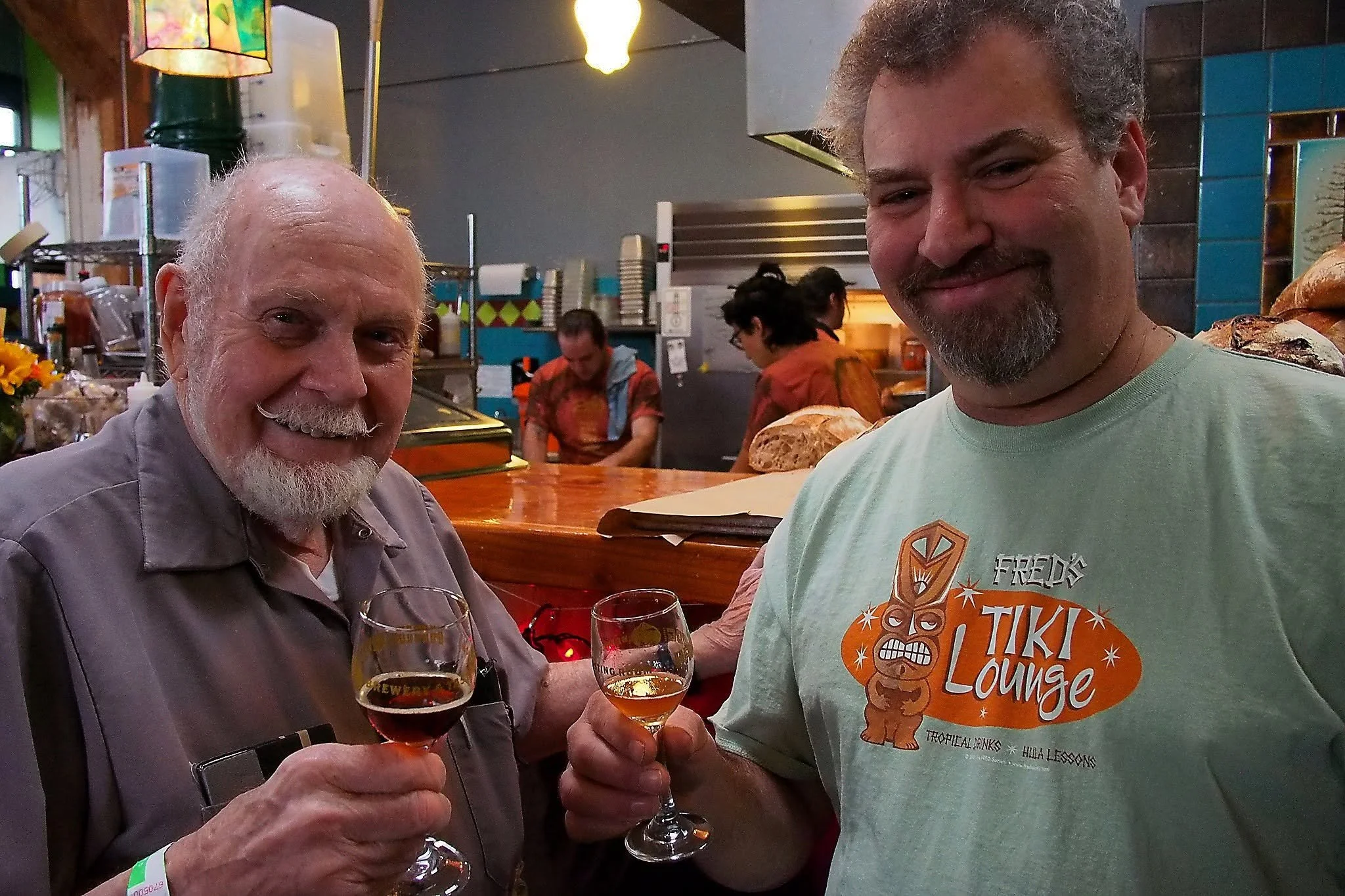
Fred Eckhardt and Alan Sprints at Hair of the Dog’s 20th Anniversary in 2013, photo by Michael Rasmussen
Fred
“Fred’s work in all-grain brewing and beer styles helped me become a better brewer,” wrote Alan on the beer info page for “Fred” the ale. Although “Adam” had put Hair of the Dog on the map and was named beer of the year by Whisky Advocate in 1995, it was Fred’s first release in 1997 that truly announced a major new voice in the burgeoning microbrew movement. Deep golden in color, “Fred” was brewed with aromatic and rye malts, 10 different hops, had bold woody bitterness and a high 10% abv. It was inspired by Belgian Strong Golden Ales but in typical Hair of the Dog fashion it was even bigger and more intense and a prototypical example of the first golden/blonde barleywines.
“There was a store that had a great selection called Burlingame Grocery and as I worked my way through what was available, I found I really enjoyed the flavor of the barleywines, they were complex and full-bodied, something that would improve with age,” Alan told the New School for our column The Beers That Made Us in 2021.
On the news of Alan’s passing, Matt Simpson, beer writer and founder of The Beer Sommelier magazine and president of the American Craft Beer Hall of Fame wrote on Facebook of Alan; “He didn't create the barleywine style - he perfected it. He didn't invent barrel-aged beers - he curated and melded them like nobody at the time could, or would.”
“Most of our beers have four letter names, and have been named after people I have known or ideas I am passionate about. Giving beers their own name helps convey the idea that my beers are Individuals, unique, just like you and me.”
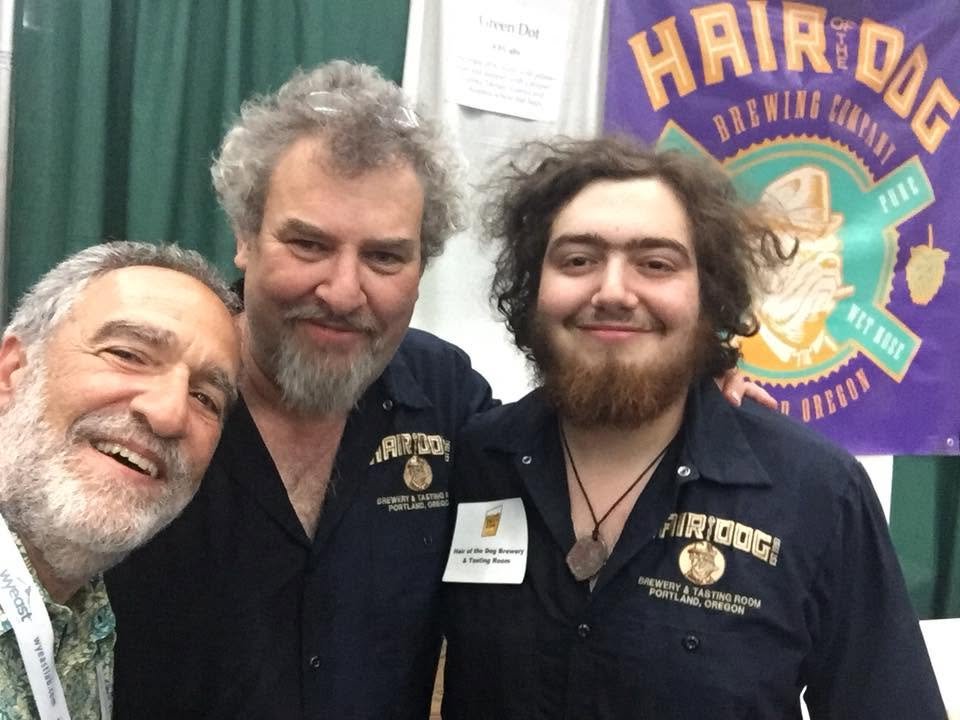
Charlie Papazian, Alan Sprints, and Isaac Sprints at the 2018 HomebrewCon
Dave
One of Hair of the Dog’s most legendary beers was also among the most difficult in the world to try. “Dave” named after San Francisco’s legendary publican Dave Keene (founder of Toronado) was a black market release, shared between close friends and the occasional generous pour from Alan to a loyal fan. ““Dave became the stuff of legend, an ice distilled barleywine that pushed against the boundaries of what a beer could be. With the same technique used to make German Eisbock bier, Alan partially froze his classic beer “Adam” three separate times to separate the water that freezes at a much warmer temperature than the alcohol. At the end of that process the concentrated “Dave” was aged in barrels for 15 years before a single yield of just 100 gallons were packaged uncarbonated “still” in 12oz screwtop bottles. At 29% abv, “Dave” was likely the strongest beer in the world at the time of release.
The first bottles of “Dave” ever sold were at $80 a pop for charity. Every year or so Alan would release a few bottles for a special event or fundraiser and the price it commanded just kept going up as the supply continued to dwindle and rarity and word-of-mouth increased. In 2014 Hair of the Dog and “Dave” made headlines worldwide as a bottle sold at auction for $2,000.
Alan told Hopstories that “Dave” was never meant to be sold, it was created to educate people; “It was meant to be a beer that we could serve to people after they’ve tasted the other things we’ve made that were also in that same vein,” said Alan. “It made people say ‘what the hell is that?!’ The flavor I think backs up they hype.”
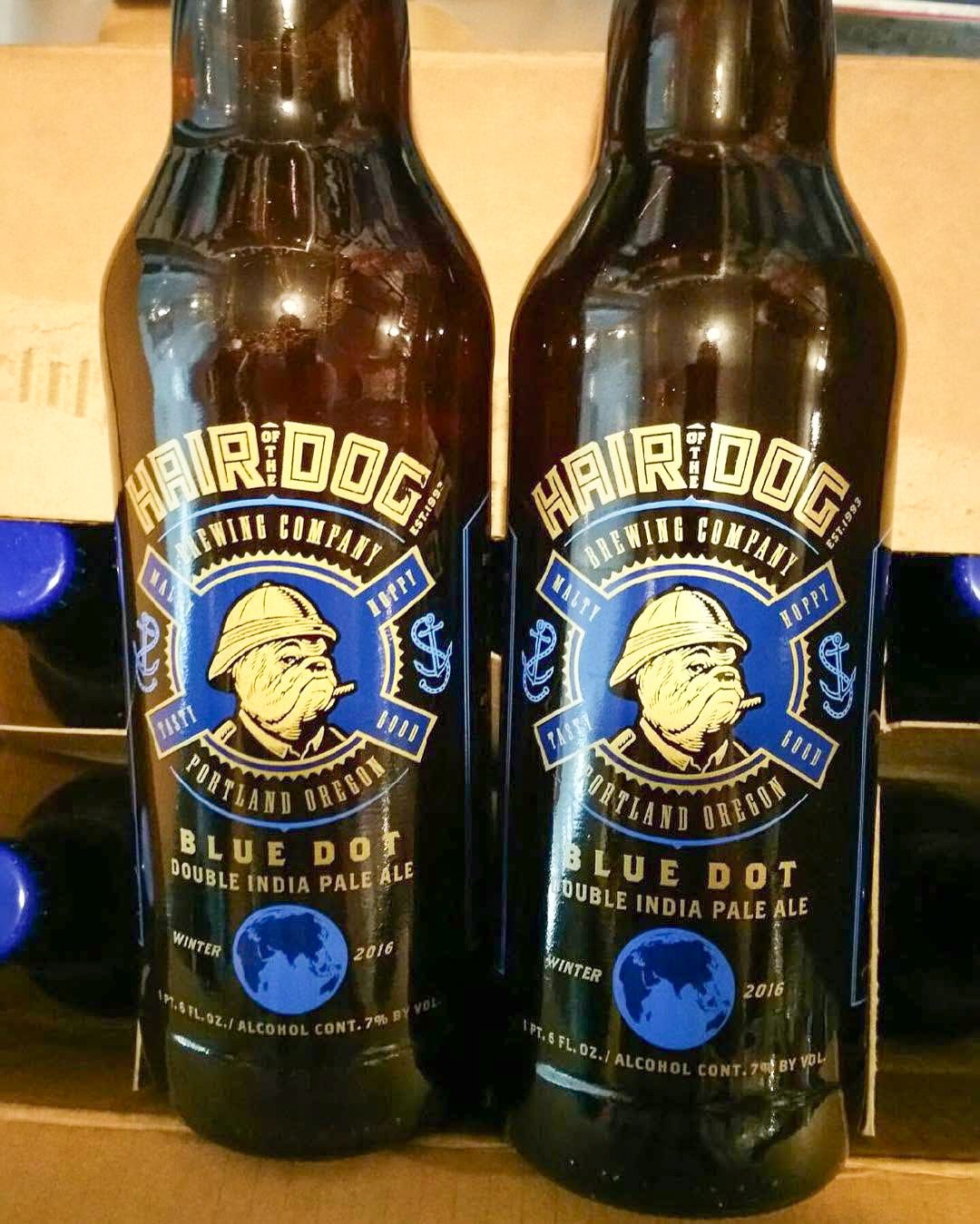
Blue Dot IPA
Blue Dot IPA eschewed the common Hair of the Dog conventions in two ways; subverting their usual practice of naming beers after individuals, and as a lighter more contemporary beer designed for the discerning drinker who wanted to enjoy a few pints. Blue Dot was a reference to planet earth and brewed in honor of Earth Day, and the beer had lower bitterness and was lighter in body and color than the copper colored IPAs of the time.
“I wanted to make a beer that was full of hop flavor without being overly bitter—something enjoyable. Most of my beers, you really couldn’t have more than a pint. I wanted something you could have two or three pints of,” said Alan.
Blue Dot was a huge hit, ranking a nearly perfect 99 score on review site RateBeer.com. And although it was billed as a Double IPA, Blue Dot was a relatively light 7% abv and would likely identify as a standard strength West Coast IPA today.
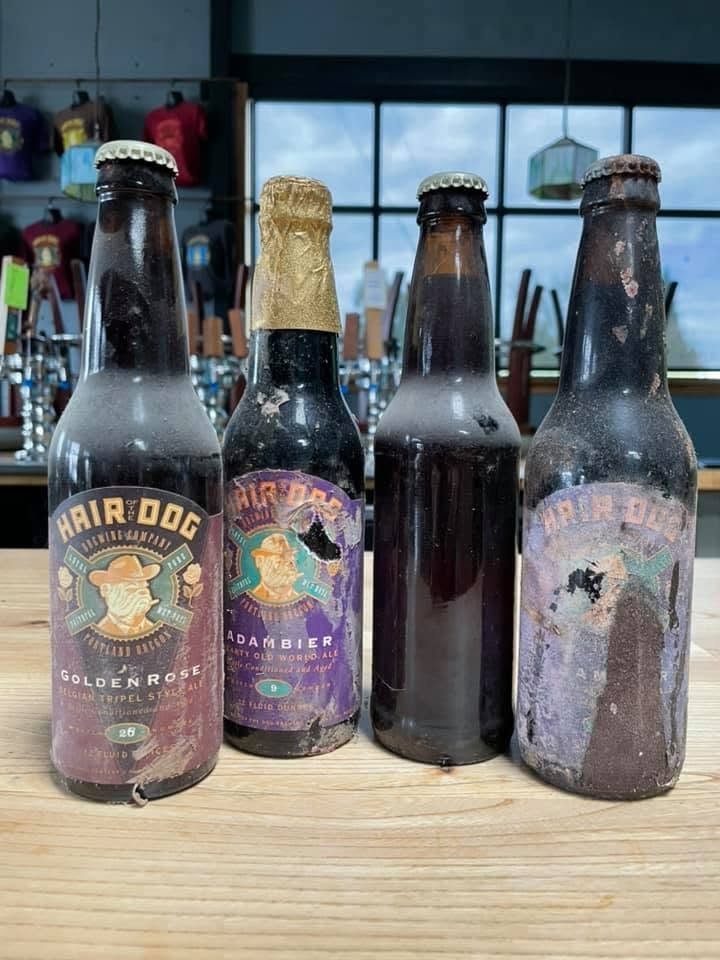
Stronger with age
In a 2009 profile Alan said that he always “gravitated toward beers higher in alcohol. A lot of times, they’re hot and difficult to drink when they’re young. They’re much more enjoyable after they’ve aged. It was fascinating to see the changes the beer went through. I still have some homebrews that I brewed way back when. Most of the people I try the beer with are surprised a beer that’s 20 years old can still taste as good as it does. The flavor matures. It’s worth the wait.”
“I tried making lighter beers and while they do well in the tasting room, they don’t do well in the market,” Alan told The New School in 2021. “When people are looking for Hair of the Dog they are looking for something stronger. No matter how many times I tried making lighter beers for less money, it never worked. And I still don’t learn, years ago I tried Ruth and I thought it would be the biggest beer. Then it was Polka Dot IPA and Lila.”
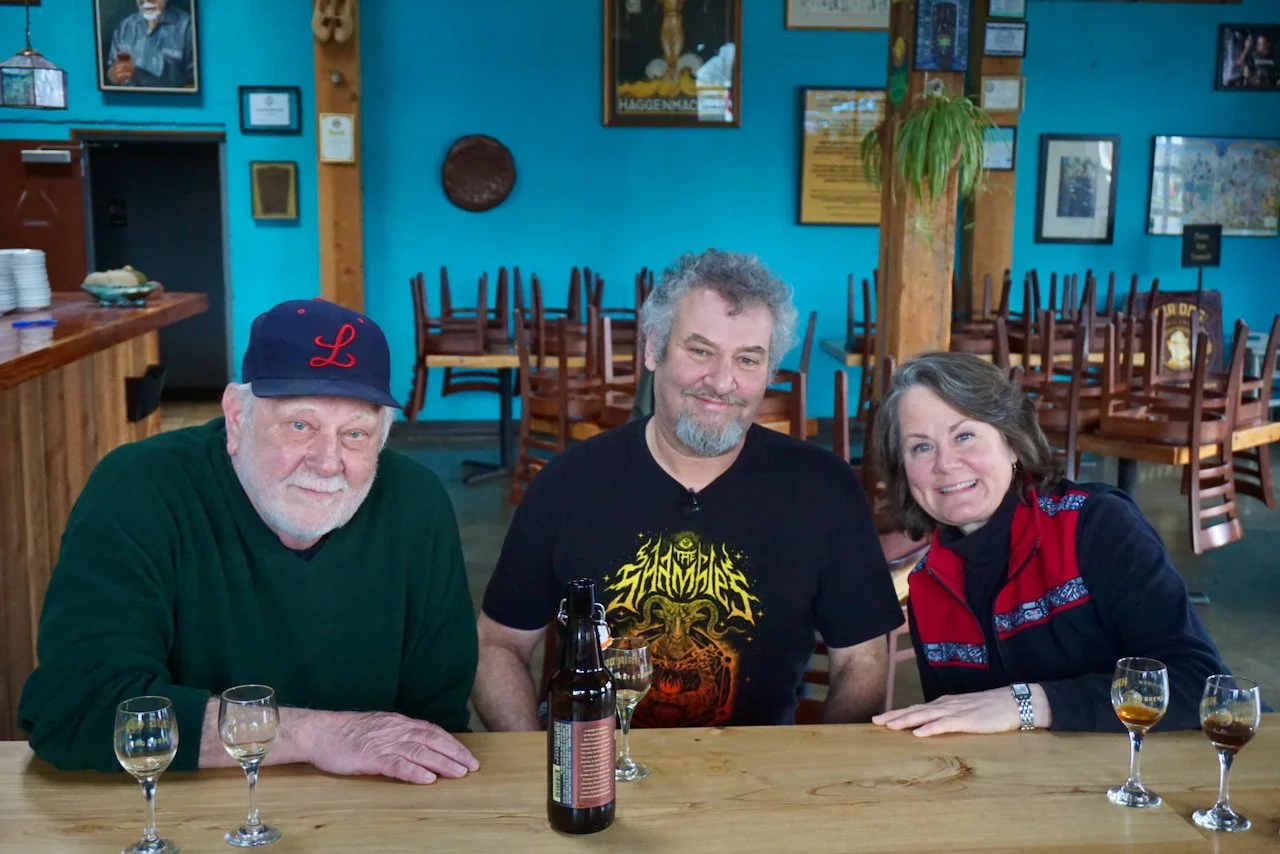
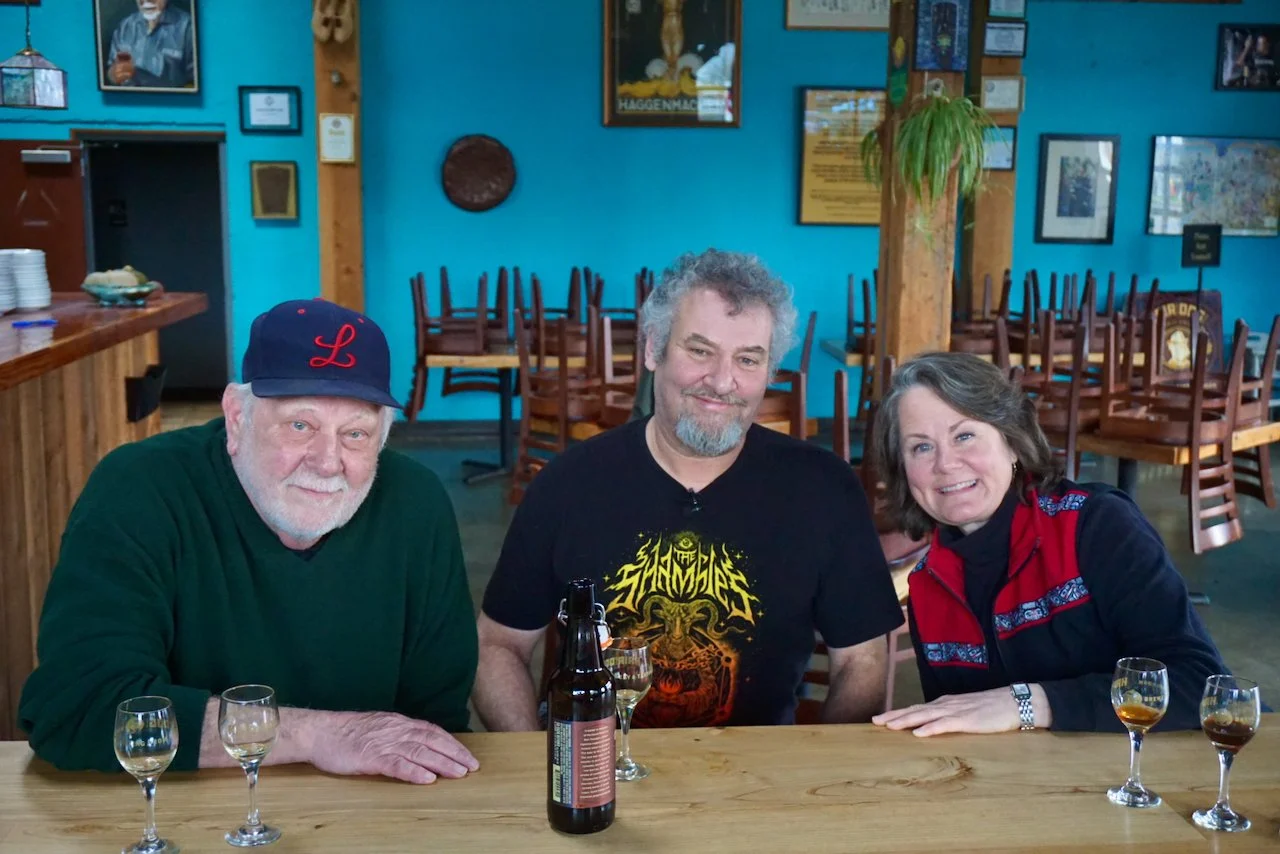
left to right: Art Larrance, Alan Sprints, & Teri Fahrendorf
A house a home
In 2010 Alan moved Hair of the Dog Brewing from the difficult to find production space near the Brooklyn railroad yards where he had founded it in ‘93, and into a building he purchased near the east side of the Morrison bridge. The new location was still in an industrial area but easier to find and with a much larger floor plan with roll-up doors, natural light, and their first true taproom with a kitchen and real bar to saddle up to. There was even space in the back for hundreds of barrel, decades of vintage bottles, and a workshop area where Alan could nurture his woodworking and stained glass hobbies.
The pandemic was a major turning point for Alan and Hair of the Dog Brewing. The taproom and brewery stayed completely closed for a year and when they reopened something had changed.
“We are selling all, or a lot of, the vintage beers that I had always planned on keeping forever,” Alan told the New School at the time. “But the reality is I am not going to be around forever. So that’s changed, I decided everything can go. I am not really saving stuff.”
The consumer had also changed, suddenly gravitating back towards lighter and more affordable standbys that didn’t require their attention. Less then a year after reopening the pub, Alan decided it was time to retire. Unlike other brewery owners, Alan had no interest in selling Hair of the Dog but wanted to close it on his own terms and retire in his 60s.
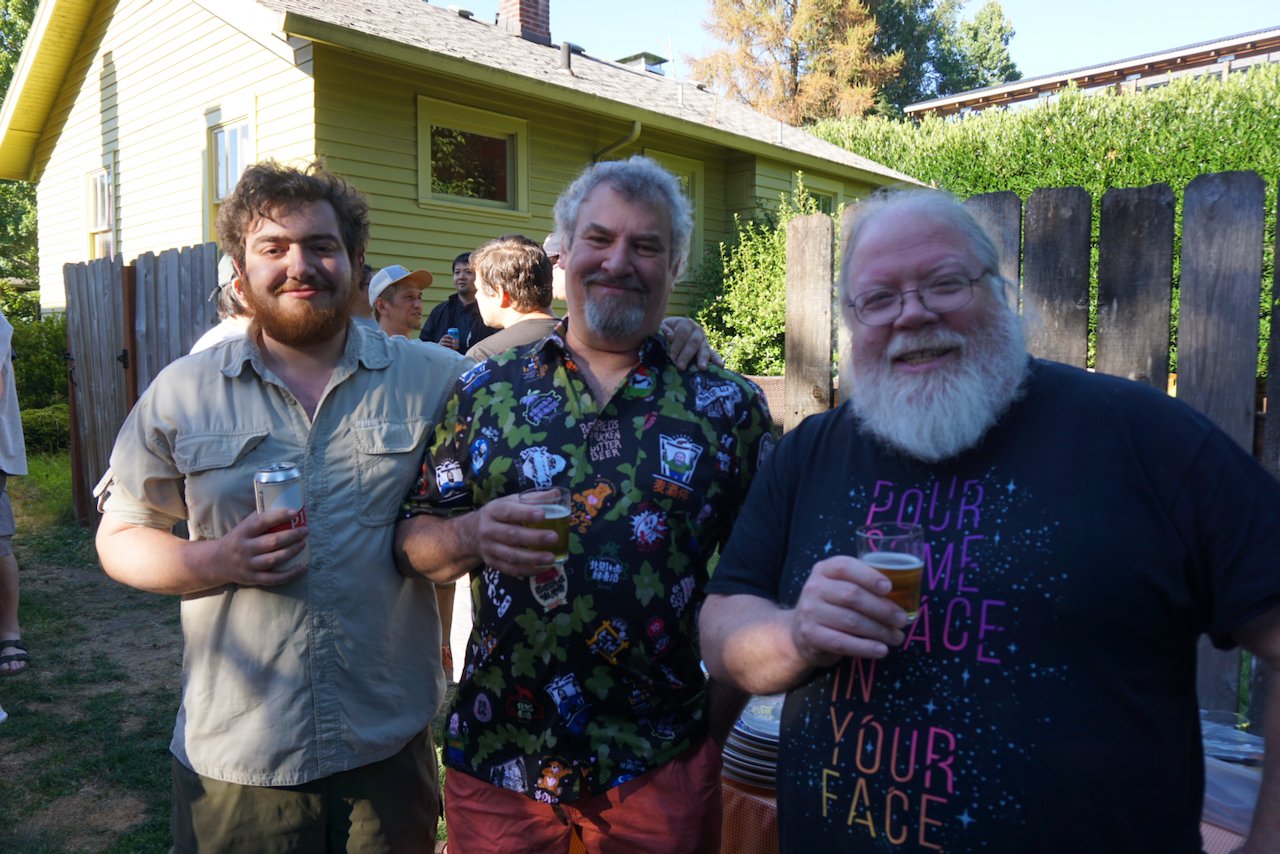
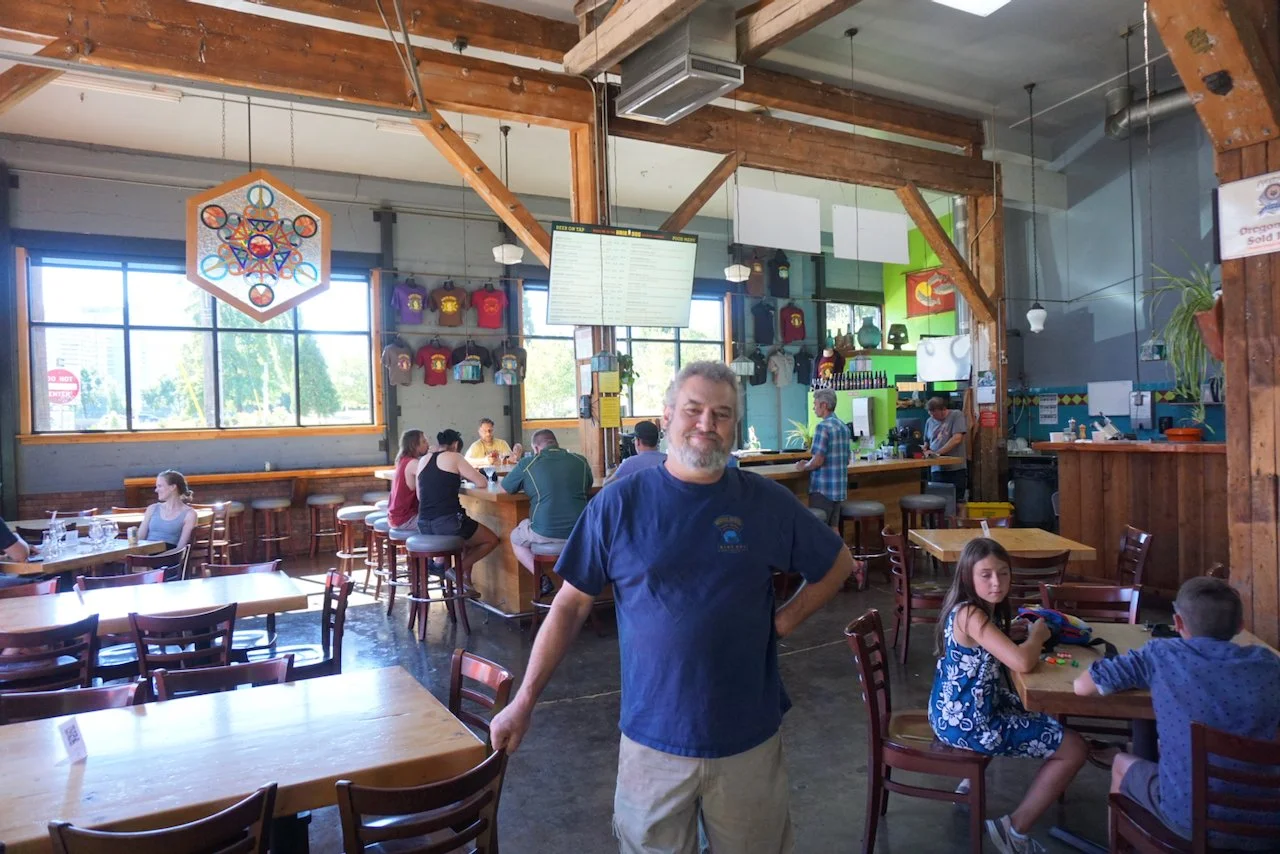
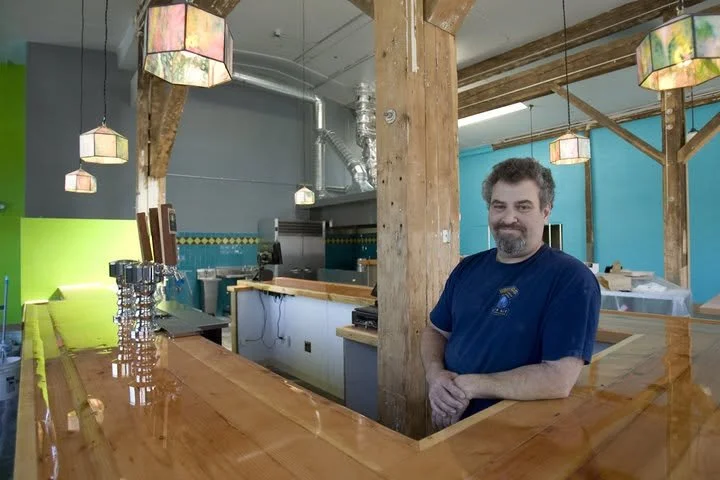
Hair of the Dog Brewing’s final day open was 6/26/2022.
After announcing the closure Alan told the New School; “My kids have been a big help keeping the brewery going but they all have their own interests. Brewing was my passion and it takes that drive to keep going in the tough times.”
“I’m both excited about the prospects of the future and sad that it’s coming to an end,” Alan told The Oregonian on the brewpubs final day in business.“But I can be real proud about what I’ve done, and the response from people has been overwhelming. So it just reiterates how special the beers were to so many people.”
Reflecting on his memorable 30+ career as a brewer and nearly 29 years of Hair of the Dog Brewing, Alan told The New School: “Working with other Brewers are some of the most memorable, sharing the same passion give you that much more in common. It has taken me around the world, to work with people in places that inspired me. The look in someone’s eyes as they taste Adam and chocolate for the first time. The idea that people would line up for hours before opening for bottle releases, and that we would sell out as fast.”
Alan remained active in the beer community post retirement, still traveling the world to visit new and old friends and cultures just as his mentors Fred Eckhardt and Michael Jackson had. As recently as 2025 Hair of the Dog Brewing released a collaboration with Redmond, Washington’s Black Raven Brewing - a smoked and barrel-aged barleywine called “Hunter.“
The Hair of the Dog that bit you
On April 24, 2026 Alan announced he had been diagnosed with metastatic stage 4 bladder cancer that had spread to his bones. As he entered treatment the goal was to prolong what time he had left to spend with friends and family.
I was lucky to see Alan one last time at the Horse Brass Pub this past June. Ahead of the Horse Brass’ 50th anniversary Alan had been working on a handmade stained glass piece to be installed over the bar in the pub’s new expansion space The Pony Club. Alan and his friends and family gathered there for what was likely one of his final public appearances and I was grateful to have lunch together after the intimate ceremony.
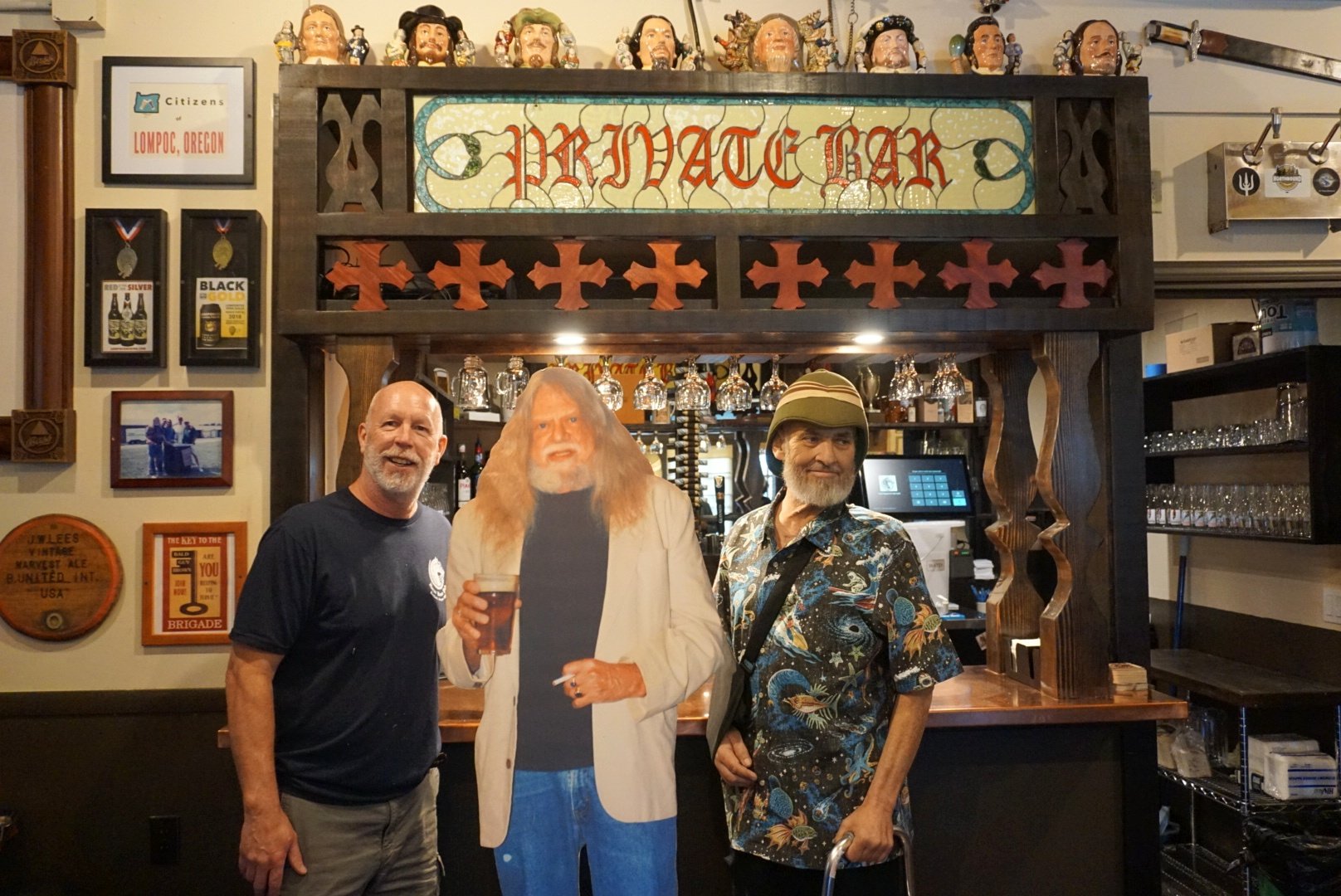
Left to right: Horse Brass proprietor Jerry Fechter, a cardboard cutout of Horse Brass founder Don Younger, and Alan Sprints
Alan Sprints passed away at 4:44 am on Sunday, July 19th. Alan is survived by his wife of 36 years, Eliana Temkin, and their three sons, Elijah, Isaac, and Gabriel Sprints. He also leaves behind his sister, Wendy Sprints (Dan Kaempff); sister-in-law, Dina Temkin (Dominic Green); in-laws Dvora Temkin and Howard Temkin, aunt and uncle, Judie and Michael Rickus; step-mother, Madeline Sprints as well as a close-knit circle of nieces, cousins, extended family, and lifelong friends.
“Please be true to yourself in your approach to brewing, don’t follow trends, lead the way.”
The Sprints family will hold a private burial service, with a public celebration of life to be planned in the near future. In lieu of flowers, donations may be made in Alan’s memory to New Avenues for Youth, an organization close to his heart.