

Beyond the Beer: How Breweries Are Becoming Places to Spend the Evening
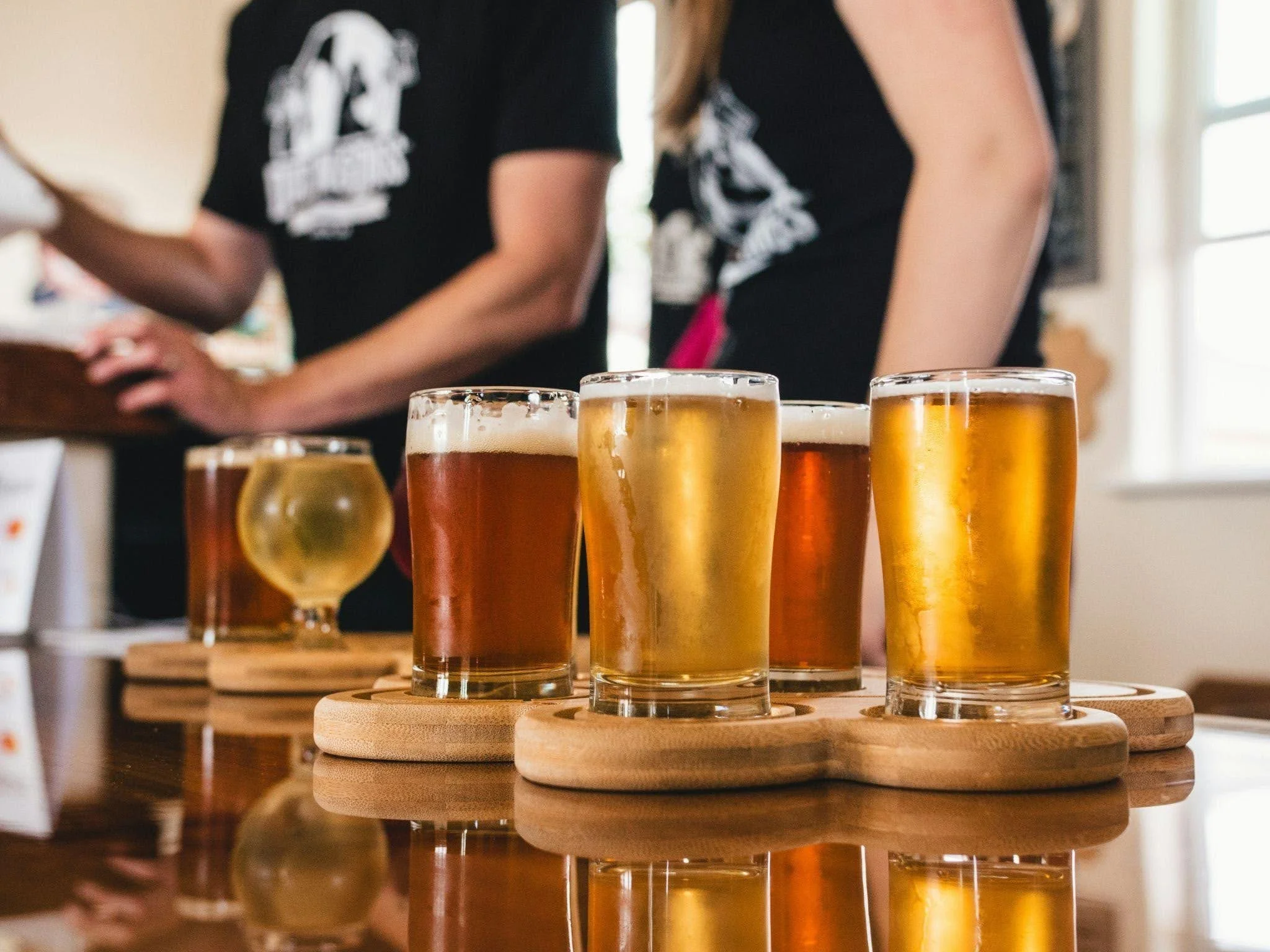
Photo by Meritt Thomas on Unsplash
Breweries are increasingly thinking about more than what happens at the bar. The drinks still matter, but many venues are also creating environments where people have reasons to stay, talk, play and return more often.
That shift reflects changing expectations around social spaces. Visitors may arrive for a beer, but they are more likely to remain if the venue gives them something else to do. Comfortable seating, food, live events and casual activities can all extend a visit without making the space feel overly programmed.
The most effective breweries are not simply adding entertainment for the sake of it. They are creating experiences that feel natural to the venue and give different groups a reason to spend more time there.
Games Can Turn a Short Visit Into a Longer One
Casual games work well because they give people a shared activity without requiring a major event. Card games, board games and small competitions can turn one drink into an entire evening.
The experience becomes even easier when venues help reduce the barrier for new players. A group interested in Riftbound, for example, may quickly need answers to practical questions such as how many runes in riftbound. Clear rules, quick-reference material or staff who understand the basics can make a game feel more approachable instead of intimidating.
That small amount of support matters. People are more likely to stay engaged when they can start playing without spending most of the evening trying to understand how everything works.
Food Gives People a Reason Not to Leave
One of the simplest ways to extend a visit is to remove the need to go somewhere else for dinner.
Some breweries operate full kitchens, while others work with food trucks, pop-ups or rotating local vendors. The exact format matters less than giving visitors an easy option when they get hungry.
Food also changes the rhythm of the visit.
A group that originally planned to stay for an hour may decide to order something, sit longer and continue the evening in the same place. That helps the venue feel less like a stop and more like the main destination.
The strongest food partnerships usually fit the setting rather than trying to imitate a formal restaurant experience.
Comfortable Spaces Encourage People to Settle In
Photo by Naseem Buras on Unsplash
Layout has a major effect on how long people want to stay.
Hard seating, cramped tables and poor acoustics may be acceptable for a quick drink but become tiring over a longer visit. Breweries that want to encourage longer stays need a mix of seating that works for different groups.
Some visitors want communal tables, while others prefer a quieter corner.
Outdoor areas can help too, especially when there is enough shade, lighting and protection from changing weather. A patio that feels usable for several hours creates a very different experience from one that looks good but becomes uncomfortable quickly.
Comfort does not need to mean luxury. It simply needs to make staying feel easy.
Events Create a Natural Rhythm
Live music, trivia nights, workshops and small tournaments can give breweries predictable peaks throughout the week.
The value of recurring events is that people know what to expect. A monthly game night or weekly quiz becomes easier to build into a routine than a one-off event that appears without warning.
Consistency also helps communities form around the venue.
The same groups begin returning, people recognise one another and the brewery becomes associated with more than its drinks.
That kind of familiarity is difficult to create through advertising alone.
It grows from repetition, and repeated events give visitors a reason to keep coming back.
Local Partnerships Make the Experience Feel More Distinctive
Breweries often benefit from working with other local businesses and organisations.
Food vendors, musicians, artists, hobby groups and charities can all bring different audiences into the same space. These partnerships also make the venue feel more connected to the surrounding community.
A brewery that rotates local vendors or hosts small community events can offer variety without constantly reinventing its entire identity.
That helps avoid repetition while keeping the experience recognisable.
Visitors may return for the same core atmosphere but encounter a different food vendor, workshop or activity each time.
The combination of familiarity and change is often what keeps a venue interesting.
Longer Visits Depend on Giving People Options
Not everyone wants the same kind of brewery experience.
One person may want to try several beers and leave. Another may want to eat, play a game and spend the whole evening with friends.
The best venues allow both.
They create enough activity and comfort to support a longer stay without making participation feel mandatory.
That flexibility is what gives modern breweries a broader role.
They are still places built around beer, but they are also becoming social spaces where food, games, events and community overlap.
When those elements work together naturally, people do not need to be encouraged to stay longer. They simply have more reasons not to leave.