

Napa Valley Travel Guide: Where to Go, What to Taste, and What to Bring Home
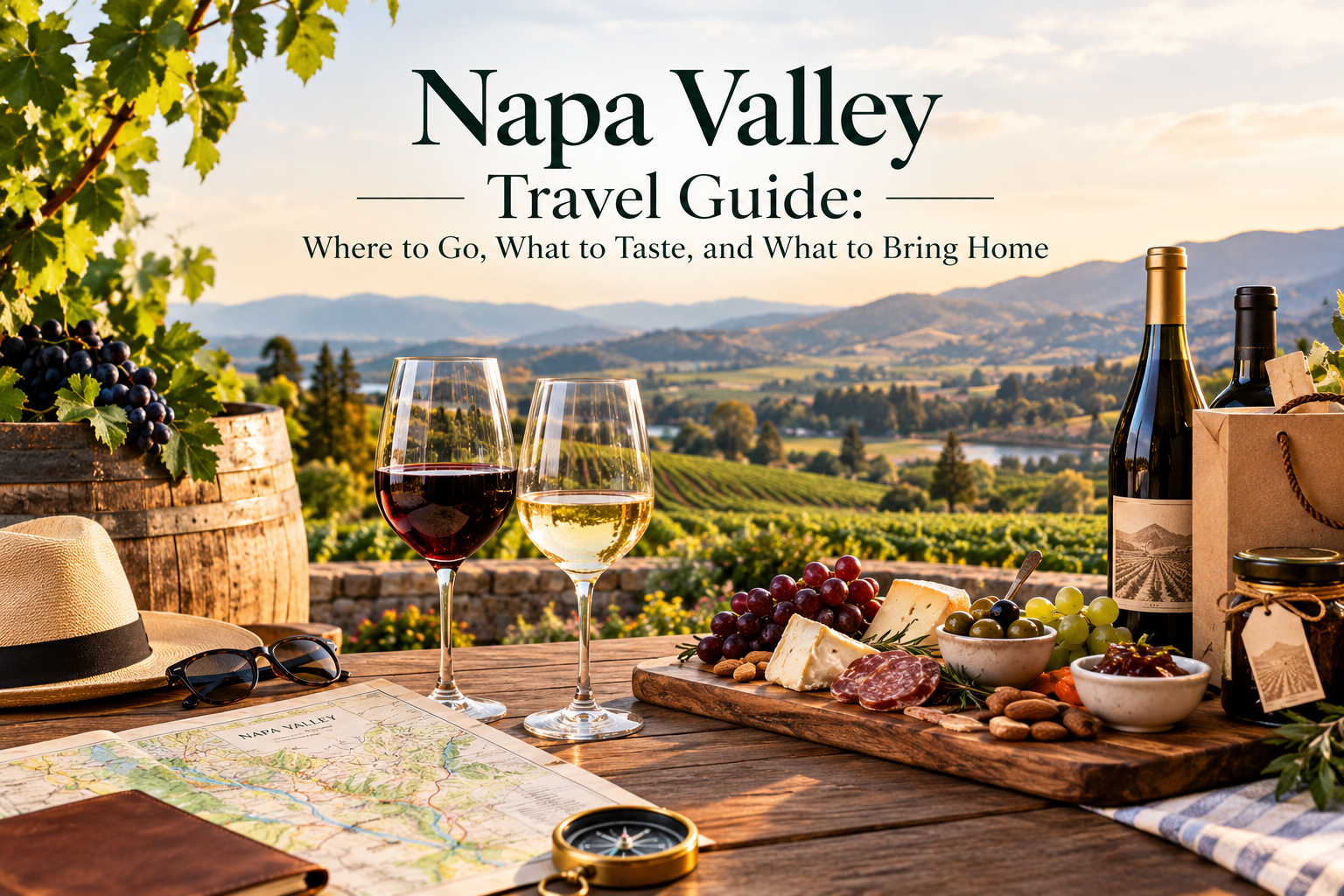
Most people picture the same thing when they think of Napa Valley: rows of vines, a glass of Cabernet, and a long lunch that somehow lasts until sunset. That picture is mostly accurate. But after a couple of visits, you realize the valley is less about ticking off famous names and more about slowing down. Here’s how to plan a trip that feels relaxed instead of rushed.
Why Napa Valley Still Deserves a Spot on Your Travel List
Napa is small. You can drive from one end of the valley to the other in under an hour, which means you don’t need a packed schedule to see a lot. What makes it worth the trip is the mix: world-class wine, good food, quiet back roads, and towns that are easy to wander on foot.
If it’s your first visit, pick a home base (Napa, Yountville, St. Helena, or Calistoga) and treat everything else as a short drive away.
Best Time to Visit Napa Valley
Late summer through early fall is harvest season, and the valley is at its busiest and most energetic. Spring is greener and calmer, with milder crowds. Winter is the quiet option: easier bookings, cozier tasting rooms, and lower hotel rates.
If you can only pick one, go in spring or early fall on a weekday. You’ll get the scenery without fighting for a table.
Where to Stay and How to Get Around
Napa (city): Walkable, lots of restaurants, great for first-timers.
Yountville: Small and polished, known for its dining.
St. Helena: Classic wine-country feel with boutique shops.
Calistoga: Relaxed, with hot springs and spas.
Don’t plan to drive between tastings if you’re drinking. Book a driver, a shuttle, or a tour. Most visitors find that two or three stops a day is the sweet spot. More than that, and the flavors start to blur.
Napa Wineries Worth Visiting
Napa is best known for Cabernet Sauvignon, and a good red is almost the point of the trip. Tasting a structured, full-bodied red in the same valley where it was grown gives you a context a bottle at home never will. Ask your host what the vintage was like and how long it aged. Most will happily tell you.
If you fall for a bottle and want to share the feeling later, a curated set of red wine gifts is an easy way to pass on the experience to a friend who couldn’t make the trip.
Not everything here is red, though. Napa also produces crisp, bright whites, especially Chardonnay and Sauvignon Blanc, and they’re a welcome change on a warm afternoon. A chilled white on a shaded patio is one of the better ways to spend an hour in the valley. If you’re shopping for someone who prefers lighter wines, white wine gifts are a safe choice for birthdays, dinners, and thank-yous.
Not Just Wine: Napa’s Craft Beer and Local Food
Here’s something that surprises many visitors: Napa has a real beer scene. The valley is known for its mastery of the grape, but its craft breweries and taprooms, pouring IPAs, ambers, pilsners, porters, and more, let beer fans experience the valley beyond the vineyards.
If you want a break from wine, the Oxbow District in downtown Napa is a good place to start. It’s home to two of the region’s top taprooms, including Trade Brewing and Fieldwork Brewing Company. For some history, Calistoga Inn, Restaurant & Brewery (Napa Valley Brewing Company) was founded in 1987 and is the valley’s oldest brewer and the county’s first commercial brewery since the end of Prohibition.
A midday beer next to a plate of local food is a good way to reset your palate before an afternoon tasting. Taproom hours and tap lists change, so check before you go.
For food, plan around the meals, not the other way around. Make reservations early for popular restaurants, and keep one lunch simple, like a market visit or a casual spot by the river.
A Perfect Weekend Itinerary
Day 1
Morning: Arrive, settle in, and walk downtown Napa.
Afternoon: One winery tasting, ideally a red-focused one.
Evening: Early dinner and a slow night.
Day 2
Morning: Coffee, then a tasting at a smaller family winery.
Midday: Lunch at the Oxbow District, with time for a local beer.
Afternoon: A white wine tasting and a scenic drive.
Evening: Dinner in Yountville or St. Helena.
Day 3
Morning: A relaxed breakfast and last-minute shopping.
Before you leave: Pick up gifts (more on that below).
What to Bring Home From Napa
Everyone wants a souvenir that isn’t a magnet. Wine is the obvious answer, but a bottle thrown into a suitcase isn’t always the smartest move. Wrap bottles well, check airline rules, or ship them home.
If you’d rather skip the packing, or you’re shopping for someone after the trip, Napa Valley wine gifts let you send a taste of the region without carrying a single bottle. They also work well for anniversaries, thank-you gifts, and holidays.
A few other ideas: local olive oil, jams, chocolate, or a nice set of glasses.
Budget and Planning Tips
Tastings and dining can add up fast. Set a daily budget before you arrive.
Book tastings in advance, especially on weekends.
Weekday visits are usually cheaper and quieter.
Drink water between tastings. Your future self will thank you.
Final Thoughts
Napa Valley rewards people who slow down. Pick a few stops, leave room for a long lunch, and don’t overbook. Whether you come for the red wines, the crisp whites, or a surprising pint in the Oxbow District, you’ll leave with a good story and probably a bottle or two.