

From Taproom to Entertainment Venue: How Breweries Are Evolving
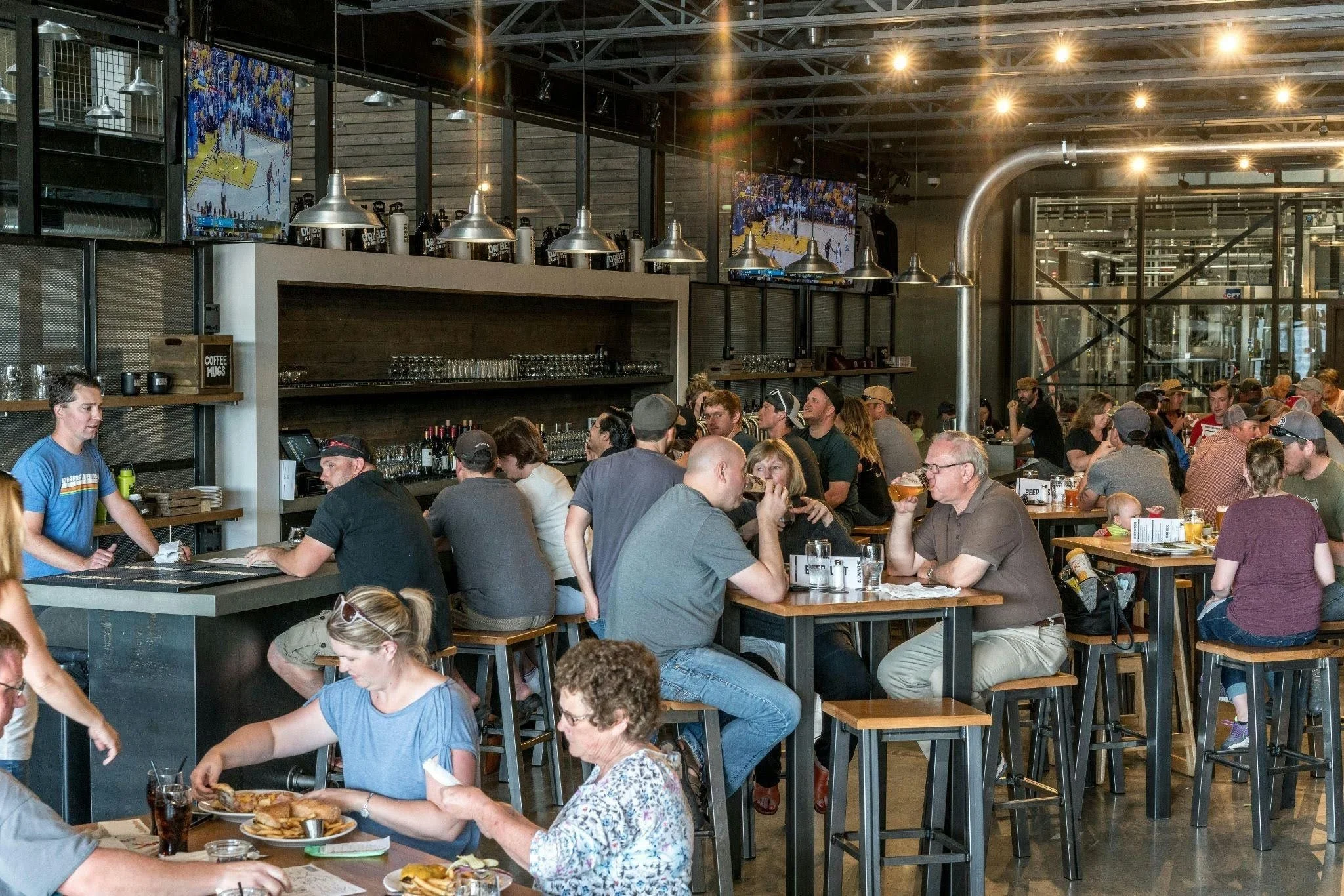
Photo by Elevate on Unsplash
Breweries are increasingly becoming places where people go for more than beer. The taproom may still be the centre of the experience, but many venues are now adding food, games, live events and recreational activities that encourage visitors to stay longer and return more often.
That change reflects a broader shift in hospitality. Customers are looking for places where they can socialise, do something together and spend several hours without moving between multiple venues.
For breweries, that creates an opportunity to build a stronger identity. The goal is no longer simply to serve good drinks. It is to create a space with enough variety that different groups can find their own reason to visit.
Indoor Activities Are Becoming Part of the Attraction
One of the clearest ways breweries are expanding is by adding activities that work regardless of weather or season.
Golf simulators fit naturally into that trend because they can support both casual play and organised competitions without requiring a full outdoor course. Breweries considering this kind of addition may look at golf simulator design services to understand how room size, screen placement, lighting and player flow affect the final setup.
That planning matters because the simulator has to work as part of the venue rather than feeling like equipment placed randomly in a spare corner.
When the space is designed well, the activity can become a destination in its own right while still supporting the brewery around it.
Games Give Groups More Reasons to Stay Together
Entertainment works best when it gives people something to do collectively.
Board games, trivia, darts and other casual competitions can help fill the gap between simply ordering another drink and deciding to leave. They also make socialising easier for groups that want an activity rather than continuous conversation.
The advantage is flexibility.
Not every visitor needs to participate, and not every night needs to feel like a major event. A few well-chosen options can create enough variety without overwhelming the atmosphere.
Recurring competitions can take this further by giving regular customers something to return for.
The activity becomes part of the social routine, while the brewery provides the setting and shared environment around it.
Food Helps Turn a Visit Into a Full Evening
Entertainment alone is not always enough to keep people in one place for several hours.
Food often determines whether a group stays or moves elsewhere.
Some breweries solve that by running their own kitchen, while others use food trucks, rotating vendors or partnerships with nearby restaurants. The exact model matters less than making the transition from drinks to dinner easy.
That convenience changes the rhythm of the visit.
A group may arrive for one round, decide to play a game, order food and suddenly spend most of the evening in the same venue.
For the brewery, that makes the overall experience more complete without necessarily turning the business into a traditional restaurant.
Events Create a Stronger Weekly Rhythm
Live music, quiz nights, tournaments and themed events can help breweries create predictable reasons to visit.
The most effective schedules are usually consistent rather than overloaded.
A weekly trivia night or monthly competition is easier for customers to remember and build into their routine than a constantly changing calendar.
Regular events also strengthen the community.
People begin recognising one another, teams form and the venue develops traditions that are difficult for competitors to copy.
This is where a brewery starts becoming more than a place people occasionally stop for a drink.
It becomes somewhere connected to a particular night, activity or group.
The Layout Has to Support More Than Drinking
Once a brewery adds entertainment, layout becomes much more important.
Tables need enough space for games, activity zones need to avoid blocking service areas and louder entertainment should not make every conversation difficult.
Different zones can solve many of these problems.
One part of the venue might support games and events, while another remains better suited to quieter groups. Outdoor areas can provide additional flexibility when weather allows.
Good design also considers movement.
Customers should be able to reach the bar, food area and activities without constantly crossing through other groups.
The more functions the venue adds, the more important it becomes for the space to feel organised rather than crowded.
The Brewery Experience Is Becoming More Flexible
The modern brewery is increasingly competing not only with other bars but with a wider range of social destinations.
That is why entertainment, food and community events are becoming so important.
People may still arrive because they are interested in the beer, but the experience around it can determine how long they stay and how soon they return.
The strongest venues do not try to become everything at once.
They choose activities that fit their space and audience, then make those additions feel like natural extensions of the brewery.
When that balance works, the taproom becomes more than somewhere to order a drink. It becomes a place where an entire evening can happen.