

As craft breweries, cideries, and beverage co-packers scale fruit purees and syrups, FDA-compliant container inserts prevent aroma transfer and speed turnarounds.
Running a growing craft beverage operation means juggling bold flavor profiles on a tight production schedule. When you introduce heavy fruit purees, botanical extracts, and sticky syrups into your facility, standard reusable drums quickly become a bottleneck.
Switching to single-use, form-fitting container inserts gives your team a clean slate for every batch. You protect delicate recipes from lingering aromas while cutting out hours of heavy drum scrubbing.
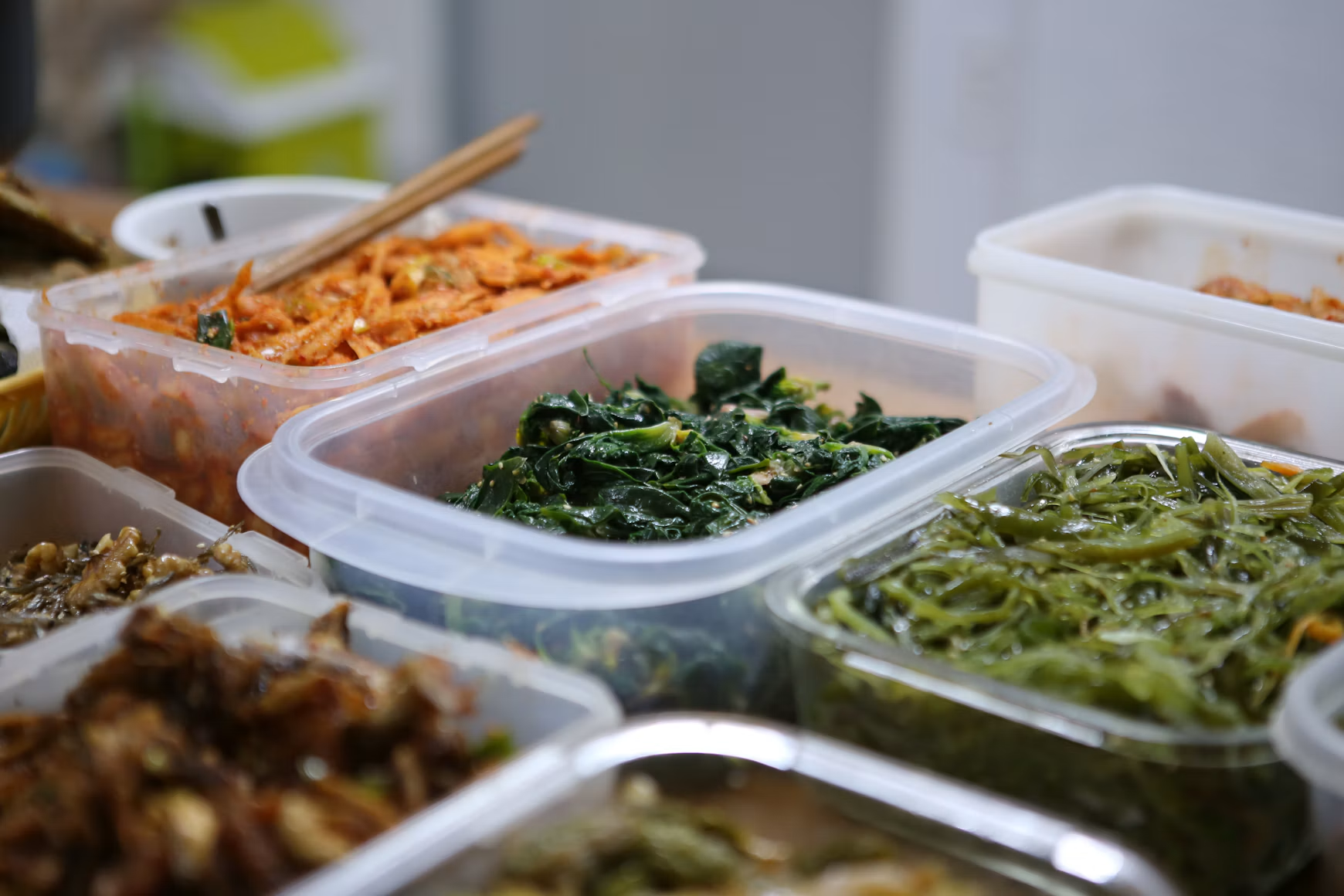
Image source:https://unsplash.com/photos/variety-of-cooked-foods-NOAzwcMzZJA
How Do Food-Grade Inserts Simplify Production Turnarounds?
Installing FDA-approved, SQF Level 2 certified liners builds an immediate waterproof shield between your ingredients and the outer container. When your operators place drum and pail liners inside steel or plastic vessels before filling, High-Density Polyethylene (HDPE), Low-Density Polyethylene (LDPE), and high-barrier foil films lock out oxygen and prevent flavor transfer. Your delicate botanical extracts and fruit purees stay fresh from storage through transfer.
Once a pump empties the container, your crew simply lifts out the spent insert and drops in a fresh one. You eliminate chemical washdowns, reduce water bills, and put the outer drum right back into rotation within minutes.
This simple process can help production teams save time between batches. Fewer washdowns mean workers spend less time cleaning and preparing empty containers. Using fresh liners can reduce the risk of leftover product contaminating the next batch.
Why Do Residual Ingredients Threaten Reusable Beverage Drums?
Aromatic hop oils, tart fruit acids, and concentrated sugars cling stubbornly to the interior walls of steel and plastic vessels. Even after a thorough wash cycle, microscopic traces can leach into your next batch, muddying the bright, clean notes your customers expect. Food Packaging Forum notes that protective container barriers must resist corrosive beverages, prevent chemical migration, and preserve the sensory qualities of the contents inside.
Acidic ingredients like citrus concentrates and berry purees slowly pit metal surfaces and etch plastic walls over repeated uses. Scratched interiors trap bacteria and make deep cleaning nearly impossible without aggressive caustic chemicals and scalding water.
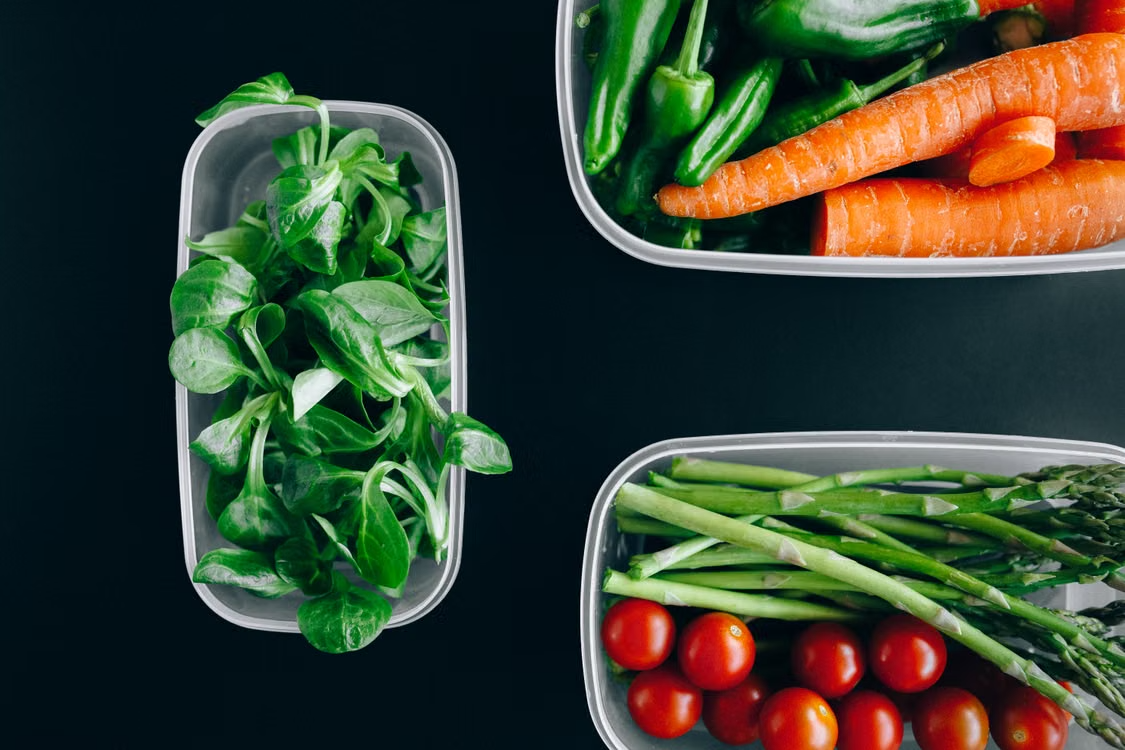
Image source:https://www.pexels.com/photo/fresh-vegetables-in-containers-5794767/
What Specifications Matter Most for Beverage Operations?
Choosing the right geometry prevents torn film and wasted product on the production floor. Keep these practical specs in mind when ordering for your facility:
Accordion-pleated inserts: Expand easily to hug the uneven ribs and dents of reconditioned steel drums without snagging during filling.
Straight-sided styles: Fit snugly inside smooth-walled plastic or new fiber drums for predictable, wrinkle-free liquid storage.
Round-bottom designs: Eliminate sharp bottom corners where thick purees hide, helping your transfer pumps pull nearly 100% of your expensive ingredients.
High-temperature films: Withstand hot-fill syrups and warm sanitation rinses without warping, melting, or leaching polymers into your batch.
Building a quick pre-fill inspection routine keeps your line running smoothly and safeguards every batch. Facilities like UC Davis have highlighted how removing organic solids and nutrients from beverage wastewater is critical to meeting local municipal discharge permits.
Train your operators to verify SQF certification lots on incoming film boxes, check drum interiors for sharp burrs before inserting liners, and confirm temperature ratings before pumping hot syrups. Taking 60 seconds to validate these details protects your brand's flavor consistency and turns container management into a seamless part of your workday.