

\Running an independent brewery or regional craft beverage facility means facing steeper price tags every time you plan an upgrade. Stainless steel fermenters, brite tanks, boilers, and automated packaging lines now demand more capital than they did a few years ago. You have to weigh every facility improvement against the daily cash needed to keep the lights on and the beer flowing.
Paying cash upfront for heavy machinery used to be a point of pride for small producers. Now, smarter financing structures let you grow your brewing and packaging output without draining the operating reserves your business depends on.
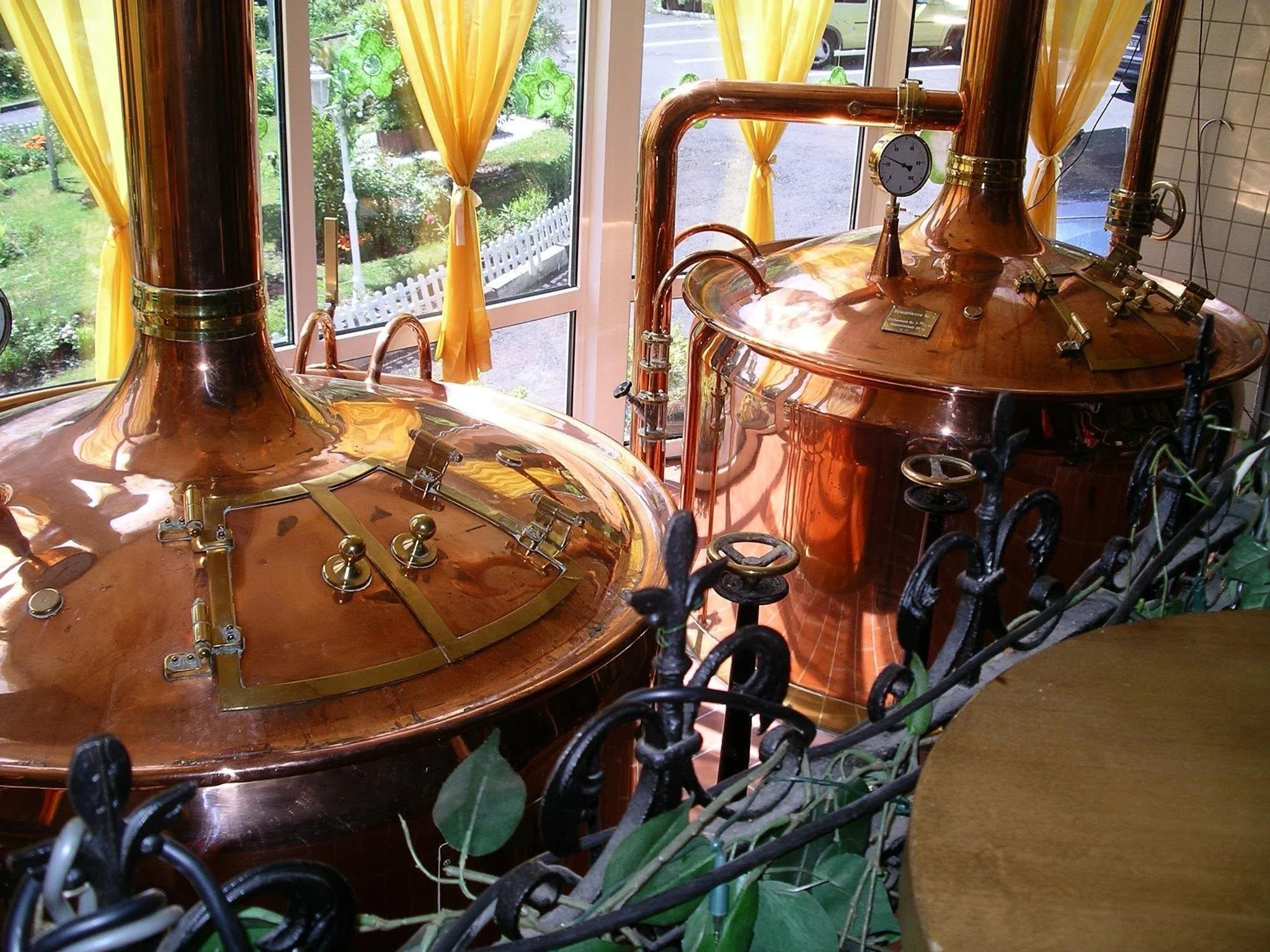
Surging prices for stainless steel tanks, automated canning lines, and chillers are prompting independent brewers to rethink upfront cash purchases.
Why Are Stainless Steel and Canning Line Prices Climbing?
Fabricating commercial-grade stainless steel vessels requires specialized labor, heavy raw materials, and complex international shipping. When you price out a new 15-barrel brewhouse or extra cellar tanks, you feel the weight of those supply chain costs right away. According to Micet Group, small commercial setups often start around $100,000, while larger production facilities can easily cross the $1 million mark.
Those numbers do not stop at the brewhouse floor. Adding new fermenters forces you to upgrade your cold-chain infrastructure, including glycol chillers, insulated piping, and walk-in cold boxes. Every extra barrel of fermentation capacity creates a ripple effect across your utilities, floor drains, and boiler output.
How Does the Shift to Packaged Retail Affect Your Floor Plan?
Moving into grocery stores and bottle shops requires reliable, high-speed packaging that keeps dissolved oxygen levels low. Data from Mordor Intelligence shows that the brewery packaging equipment sector is projected to grow at a 7.52% annual rate through 2031 as producers chase flexible canning capabilities.
Bringing canning in-house saves you from relying on mobile canning crews and their tight schedules. You need space and budget for the full supporting cast of machinery that keeps a packaging run moving smoothly:
Depalletizers and rinsers: Automated feed systems keep empty cans moving steadily into the filler without requiring extra hands on the line.
Inline date coders: Clear batch and packaging dates help your distributors manage shelf life and meet strict retail compliance rules.
Labelers and pak-tech applicators: High-speed finishing gear turns bright cans into shelf-ready 4-packs and 6-packs at the pace your sales team demands.
Expanded cold storage: Finished pallets of canned beer need immediate refrigeration to preserve hop aroma and prevent shelf degradation.
How Does Installment Ownership Compare to Perpetual Leasing?
When you decide to avoid a massive lump-sum cash outlay, you usually end up choosing between a long-term lease and an installment purchase. Both options protect your bank account on day one, but they treat your balance sheet very differently over a 5-year or 7-year horizon.
Installment-based acquisition structures let you pay for heavy machinery over a predictable schedule that aligns with the useful life of the gear. Choosing equipment financing allows your brewery to lock in fixed monthly payments while working directly toward full ownership of the tanks or canning line. Once you make that final payment, the debt disappears, and you own a durable asset that can keep producing beer for another decade or more.
Why Can Lump-Sum Cash Purchases Put Your Brewery at Risk?
Writing a single check for a $150,000 canning line feels clean because you avoid interest charges. That strategy can backfire fast if it empties your operating account. Craft brewing is a capital-intensive business with tight margins, and cash reserves act as your primary safety net.
When you drain your liquidity to buy machinery outright, you leave yourself zero room for error. A single broken glycol pump, a delayed distributor invoice, or an unexpected taproom repair can suddenly trigger a cash crunch. You might own your shiny new fermenters free and clear, but you still need liquid cash to make payroll on Friday.
What Happens When Ingredient Prices and Seasonal Demand Shift?
Brewery revenue rarely moves in a straight line throughout the year. Summer patio seasons and holiday releases bring welcome spikes in cash flow, while January and February test your patience. If you drained your reserves to buy a new brite tank in the fall, a slow winter quarter can quickly become stressful.
Raw material costs add unpredictability to your monthly budget. Weather events can drive up barley and hop prices, while aluminum tariffs and freight surcharges push your per-can packaging costs higher. Distribution expenses eat into your margins right when you are trying to scale.
Matching Repayment Terms to Machinery Lifespan
Smart capital planning means lining up your payment schedule with how long the equipment will actually generate revenue. Not every piece of gear in your facility ages at the same speed, so your financing terms should reflect that difference.
Stainless steel fermenters, mash tuns, and hot liquor tanks have long lifespans. With basic passivation and gasket replacements, a quality tank easily lasts 15 to 20 years. Spreading those payments over a 5-year to 7-year installment term keeps your monthly obligation low while leaving you with years of payment-free production afterward.
What Should You Evaluate Before Upgrading Your Brewhouse?
Before you sign a purchase order for new tanks or packaging gear, run a practical audit of your current facility. Buying a bigger machine only pays off if the rest of your operation can support the extra volume. Take time to check these operational details first:
Utility capacity: Confirm that your current electrical panel, natural gas line, and municipal water supply can handle the extra load without costly building upgrades.
Cellar bottlenecks: Check whether adding a larger brewhouse actually increases output, or if you simply need more fermenters to keep up with your existing mash tun.
Labor requirements: Calculate whether the new machinery saves staff hours or requires hiring another full-time packaging operator to run safely.
Distributor demand: Verify that your existing retail accounts and wholesale partners can absorb the extra cases before you commit to higher production targets.
Protecting Working Capital While Scaling Production
Growing a small brewery requires balancing ambition with financial discipline. Treat your working capital as a protected asset, not a piggy bank for capital expenditures. Set a strict minimum cash reserve and refuse to dip below that floor for equipment purchases.
Review your cash flow projections every quarter, factoring in seasonal dips and upcoming tax obligations. When a new tank or canning line will clearly boost your margins, use predictable installment payments to fund it. The extra beer you brew and package pays for the machinery itself each month.
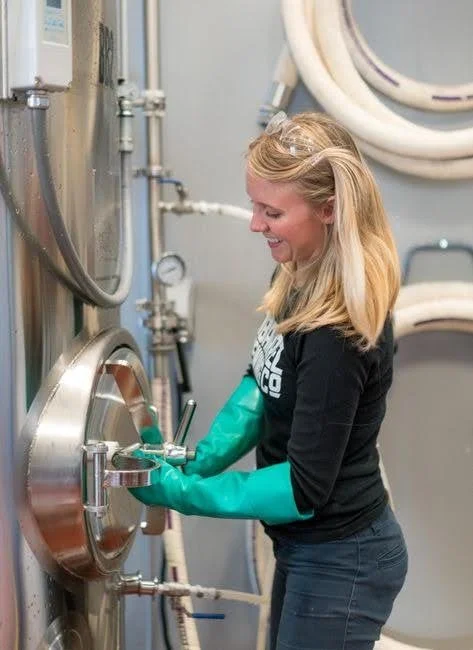
Spreading heavy machinery purchases across fixed, predictable installments lets you expand your brewing and canning capacity without putting your daily operations in danger. With a disciplined approach to financing, your brewery can scale at its own pace and stay financially resilient.