

How the Craft Beverage Boom Expanded Beyond Beer
Image by Magnific
Over the past two decades, the American craft beverage scene has undergone a remarkable transformation. What began as a grassroots revival of independent brewing has evolved into a far-reaching movement that now includes cider, hard seltzer, non-alcoholic innovations, and, perhaps most notably, craft distilling. While beer once defined the identity of the craft revolution, today’s landscape tells a broader story, one shaped by experimentation, regional identity, and a growing appetite for authenticity.
The expansion beyond beer has not happened overnight. It has been driven by a combination of consumer curiosity, regulatory shifts, and a new generation of producers eager to redefine what “craft” can mean across different categories.
The Rise of Craft Spirits in the U.S.
One of the most significant developments in this evolution is the rapid growth of independent distilling. What was once dominated by a handful of large producers has become a diverse and decentralized industry.
Within this context, the expansion of craft spirits has played a defining role. Data-driven insights into this growth, such as those explored through detailed industry breakdowns of how many distilleries now operate across the country, help illustrate just how quickly the sector has scaled. In just a couple of decades, the number of active distilleries has surged, reflecting both increased demand and improved access for small producers.
This growth mirrors the early days of craft beer but comes with its own distinct identity. Craft distillers often experiment with regional grains, botanicals, and aging techniques, creating spirits that are deeply tied to local environments. From small-batch bourbon to innovative gins and agave-based spirits, the category continues to diversify.
Importantly, the rise of craft spirits has not replaced beer, it has complemented it. Many breweries have expanded into distilling, while others collaborate across categories, reinforcing a shared commitment to craftsmanship.
From Taprooms to Tasting Rooms
Craft beer laid the foundation. Independent breweries proved that consumers were willing to pay attention to origin, process, and flavor complexity. Taprooms became community hubs, and local production became a point of pride.
That same ethos naturally extended into other beverages. As consumers became more adventurous, they began seeking similar qualities in spirits, small-batch production, unique ingredients, and a clear connection to place. Distilleries, once limited by stricter regulations and higher barriers to entry, began to emerge in greater numbers, often inspired by the success of craft brewers.
The result has been a shift from simple consumption to experience-driven drinking. Just as breweries offer tastings and tours, distilleries now invite visitors into their process, turning production into storytelling.
The scale of this transformation becomes clearer when viewed through broader industry data. According to the Distilled Spirits Council of the United States, the American spirits market has experienced consistent growth over recent years, with premium and super-premium segments leading the way. This trend reflects a shift in consumer priorities, from quantity toward quality and experience.
The data also highlights how smaller producers are contributing to this momentum. Craft distilleries, while individually modest in output, collectively represent a dynamic and rapidly expanding segment of the market. Their influence extends beyond volume, shaping consumer expectations around transparency, storytelling, and innovation.
Why Consumers Are Driving the Shift
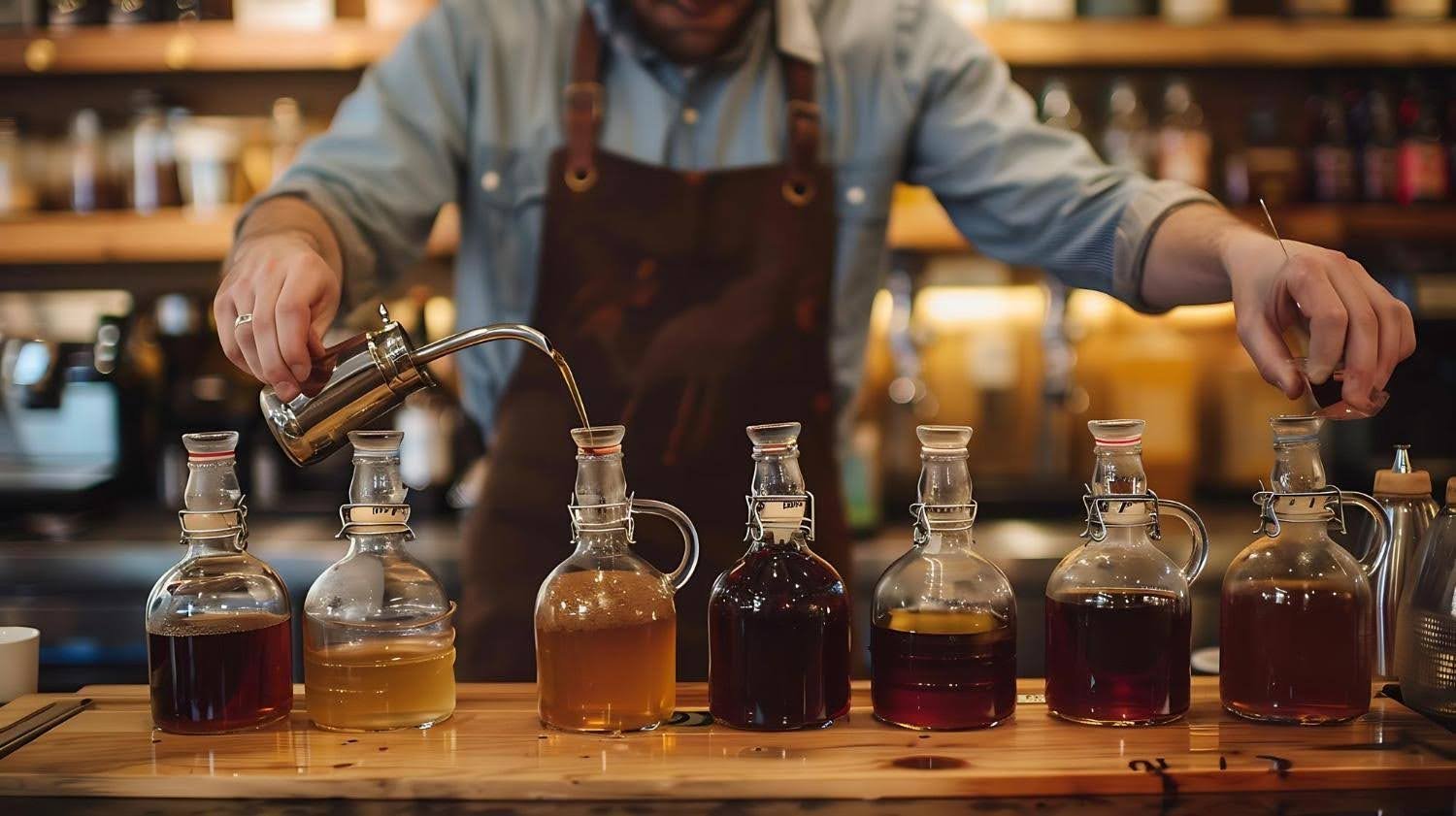
At the heart of this expansion is a changing consumer mindset. Today’s drinkers are more informed and more intentional. They want to know where their beverages come from, how they are made, and what makes them unique.
This curiosity has fueled demand for products that feel authentic and distinctive. Craft spirits meet this demand by offering narratives, about ingredients, methods, and people, that resonate with modern audiences.
There is also a growing appreciation for versatility. Spirits can be enjoyed in a variety of ways, from classic cocktails to minimalist serves, allowing consumers to engage creatively with what they drink. This flexibility has helped broaden the appeal of craft distilling beyond traditional categories.
Collaboration Across the Craft Ecosystem
Another defining feature of the craft beverage boom is collaboration. Breweries, distilleries, and even wineries are increasingly working together, sharing knowledge and resources.
It is not uncommon to see breweries aging beers in whiskey barrels from local distilleries or distillers sourcing botanicals from nearby farms that also supply breweries. These collaborations strengthen regional ecosystems and reinforce the idea that craft is as much about community as it is about product.
This interconnectedness also encourages experimentation. Producers are more willing to push boundaries when they are part of a supportive network that values creativity over conformity.
Regional Identity and Local Flavor
As the craft movement has expanded, regional identity has become more pronounced. Different parts of the United States are developing their own signatures within the craft spirits space.
The Pacific Northwest, for example, is known for its emphasis on local ingredients and sustainability. The South continues to build on its whiskey heritage, while the Northeast has seen a surge in innovative distilleries exploring everything from fruit brandies to herbal liqueurs.
This regional diversity adds depth to the overall industry. It ensures that the craft beverage boom is not a uniform trend but a collection of localized stories, each contributing to a richer national narrative.
Challenges and Opportunities Ahead
Despite its growth, the craft spirits sector faces challenges. Production costs are high, distribution can be complex, and competition is increasing as more producers enter the market.
However, these challenges are balanced by significant opportunities. Direct-to-consumer sales, experiential marketing, and tourism are all areas where craft distillers can thrive. The same creativity that defines their products can be applied to how they reach and engage audiences.
Sustainability is another area of focus. As consumers become more environmentally conscious, producers are exploring ways to reduce waste, source responsibly, and operate more efficiently.
A Broader Definition of Craft
The expansion beyond beer has ultimately redefined what “craft” means. It is no longer limited to a single category but represents a philosophy, one that values quality, independence, and innovation.
Craft spirits are now a central part of that philosophy. They embody the same principles that fueled the rise of craft beer while bringing new dimensions to the movement.
What makes this evolution particularly compelling is its inclusivity. The craft beverage world is no longer siloed. It is a shared space where different categories coexist, influence one another, and grow together.
As the craft beverage boom continues, its trajectory suggests further diversification rather than consolidation. New categories will emerge, existing ones will evolve, and the boundaries between them will continue to blur.
For consumers, this means more choice and more opportunities to explore. For producers, it means a chance to innovate within a dynamic and supportive ecosystem.
What began as a beer revolution has become something much larger, a reimagining of how beverages are made, shared, and experienced. And as craft spirits continue to rise alongside beer, they are helping to shape the next chapter of this ongoing story.