

Why Beer Drinkers Are Exploring THC-Infused Alternatives
Image by wavebreakmedia_micro on Magnific
For decades, beer has been the cornerstone of social drinking culture. From neighborhood taprooms to large-scale festivals, it has offered both familiarity and variety. But in recent years, a noticeable shift has begun to take shape. A growing number of beer drinkers are exploring THC-infused alternatives, products that offer a different kind of experience while still aligning with the rituals and social aspects of traditional drinking.
This evolution is not about replacing beer entirely. Instead, it reflects a broader change in how people think about relaxation, socialization, and personal well-being. As preferences diversify, so too does the definition of what a “drink” can be.
A Changing Definition of Social Drinking
The traditional model of social drinking has long centered on alcohol as the primary means of unwinding and connecting. Today, that model is expanding. Consumers are increasingly open to alternatives that offer different effects, particularly those that allow for more control over how they feel.
THC-infused beverages and related products have entered this space as a compelling option. For some, they provide a more measured, predictable experience. For others, they represent a way to participate in social settings without the aftereffects often associated with alcohol.
This shift is especially visible among younger consumers, who tend to approach drinking with a more experimental and mindful mindset. Rather than defaulting to a single category, they are exploring a range of options that fit different occasions and moods.
The Influence of Craft Culture
The rise of THC-infused alternatives is closely tied to the broader craft movement. Just as craft beer redefined expectations around flavor, quality, and storytelling, THC products are now being developed with a similar level of attention and creativity.
Producers are focusing on formulation, dosing precision, and overall experience. The goal is not simply to replicate alcohol but to offer something distinct, something that fits naturally into modern lifestyles. Brands like 1906 have emerged as part of a new wave of innovation. Known for products designed to integrate seamlessly into everyday routines, they reflect how THC can complement contemporary drink culture rather than compete with it. Whether incorporated into beverages or used alongside them, these products are helping redefine what social consumption looks like.
Flavor, Experience, and Control
One of the key reasons beer drinkers are exploring THC-infused alternatives is the level of control these products can offer. Unlike alcohol, which can vary in its effects depending on numerous factors, THC products are increasingly formulated with precise dosing in mind.
This allows consumers to tailor their experience more intentionally. A low-dose option might provide subtle relaxation, while a higher dose can create a more pronounced effect. This flexibility is particularly appealing in social settings, where individuals may want to stay engaged and present without feeling overwhelmed.
Flavor also plays a significant role. Just as craft beer introduced a wide spectrum of taste profiles, THC beverages are being developed with an emphasis on balance and complexity. From botanical infusions to fruit-forward blends, these products are designed to be enjoyed, not just consumed.
Consumer Trends in Alcohol Alternatives
The growing interest in THC-infused alternatives is supported by broader trends in consumer behavior.
According to the Pew Research Center, younger adults are increasingly moderating their alcohol consumption and exploring alternative products that align with health-conscious lifestyles. This shift reflects a broader cultural movement toward balance, where social experiences are no longer defined solely by alcohol intake.
These insights help explain why THC-infused beverages are gaining traction. They meet the demand for options that feel both contemporary and intentional, offering a different way to engage with familiar social rituals.
The Role of Regulation and Accessibility
The expansion of THC-infused products has also been shaped by evolving regulations. As more regions legalize cannabis in various forms, the market has become more accessible and more diverse.
This has allowed producers to innovate in ways that were previously not possible. Beverages, in particular, have benefited from this shift, as they offer a format that is both familiar and adaptable.
However, accessibility varies widely depending on location, and regulations continue to influence how these products are developed and distributed. This dynamic environment means that the category is still evolving, with new formats and approaches emerging regularly.
Beer and THC: Complementary, Not Competitive
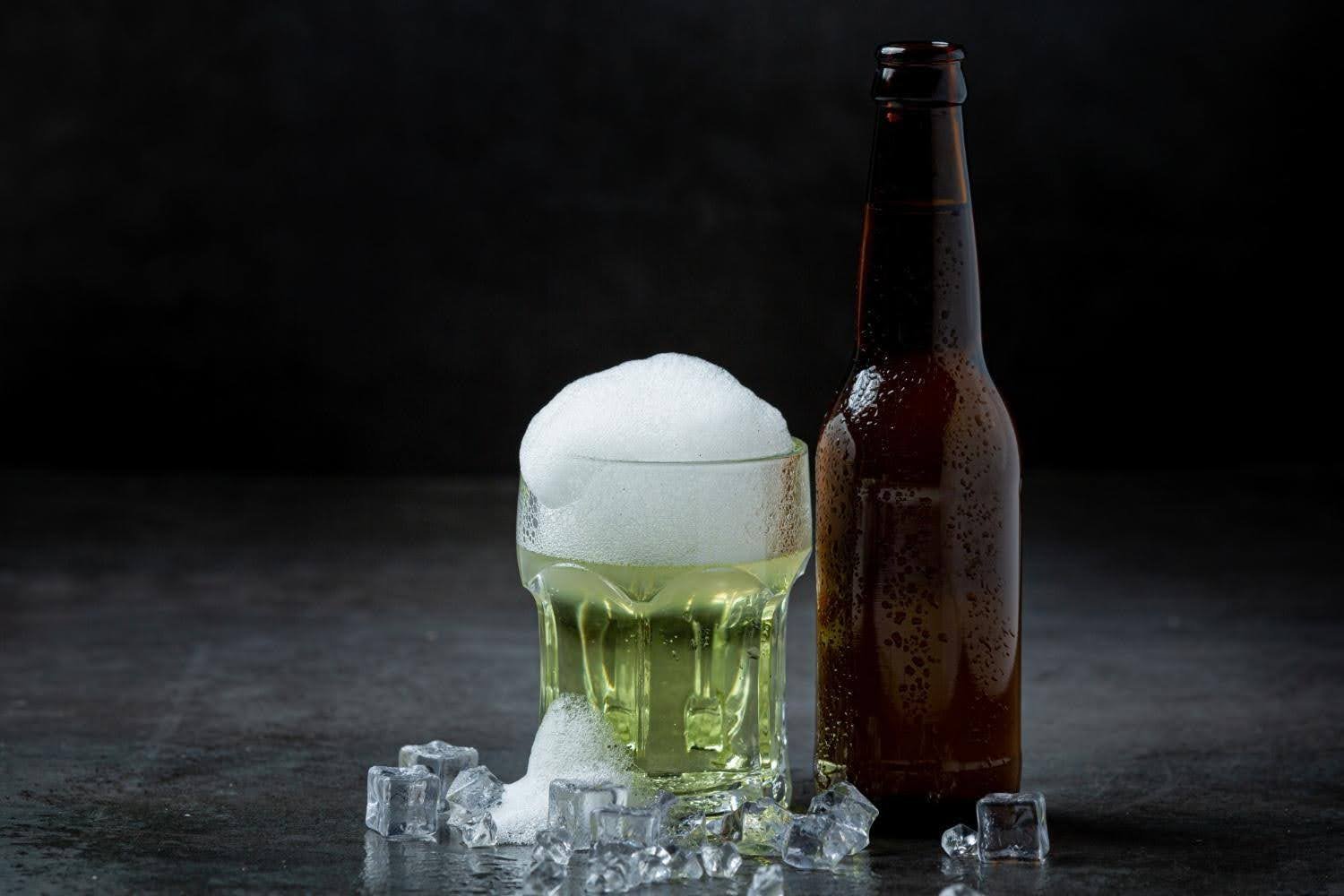
Image by jcomp on Magnific
It would be easy to frame THC-infused alternatives as a direct challenge to beer, but the reality is more nuanced. For many consumers, these products serve different purposes.
Beer remains deeply rooted in culture, tradition, and community. It offers a sensory experience that is difficult to replicate, from the aroma of hops to the tactile pleasure of a well-crafted pour. THC products, on the other hand, provide a different kind of experience, one that is often more subtle and introspective.
Rather than replacing beer, THC-infused alternatives are expanding the range of choices available. They allow individuals to select what best fits the moment, whether that means enjoying a pint with friends or opting for a low-dose beverage that offers a lighter touch.
The Future of Alternative Drinking
As the beverage landscape continues to evolve, the line between categories is becoming less defined. Innovation is happening at the intersections, between beer and spirits, between alcohol and non-alcoholic options, and now between traditional drinks and THC-infused products.
This blending of categories reflects a broader cultural shift toward personalization. Consumers are no longer confined to a single way of drinking. Instead, they are creating their own experiences, combining different products to suit their preferences.
For producers, this presents both a challenge and an opportunity. Success will depend on the ability to understand these changing expectations and to develop products that resonate on multiple levels, flavor, experience, and purpose.
A More Flexible Drinking Culture
The rise of THC-infused alternatives ultimately points to a more flexible and inclusive drinking culture. It acknowledges that people want different things from their social experiences and that no single product can meet every need.
Beer will continue to play a central role, particularly within communities that value its history and craftsmanship. At the same time, THC-infused beverages and complementary products are carving out their own space, offering new ways to unwind and connect.
This coexistence is what makes the current moment so interesting. It is not about choosing one over the other but about expanding the possibilities of what social drinking can be. As consumers continue to explore and experiment, the definition of a “good drink” will keep evolving, shaped not just by tradition, but by curiosity and intention.